
10 ancient ways people preserved food before refrigerators existed

10 ancient ways people preserved food before refrigerators existed
Long before the soft hum of a refrigerator became part of daily life, people were already masters of survival. They had to be. Food spoiled quickly, seasons changed without warning, and a bad harvest could turn into hunger by winter. So across deserts, mountains, coastlines and villages, communities developed clever ways to slow decay, stretch abundance and make sure food lasted beyond the day it was harvested.
What they created was not just survival science, but a kind of practical wisdom passed from one generation to the next. Many of those methods still shape what we eat today.
Drying in the sun
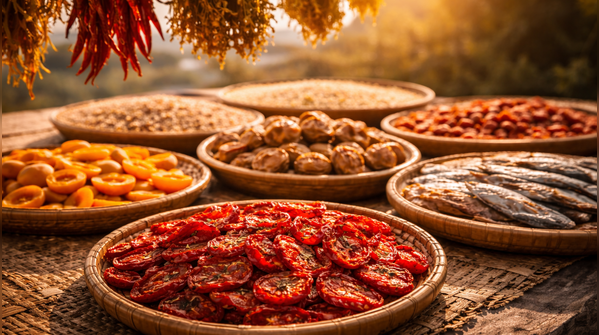
One of the oldest preservation methods was also one of the simplest: remove the moisture, and food lasts longer. Sun-drying works because bacteria and mold need water to grow. People dried fruits, grains, herbs, fish and meat on rooftops, mats, rocks and woven trays.
In hot, dry climates, this method was especially effective. Dates, figs, apricots and tomatoes could be turned into long-lasting staples, while fish and meat were dried into portable provisions for travel and trade.
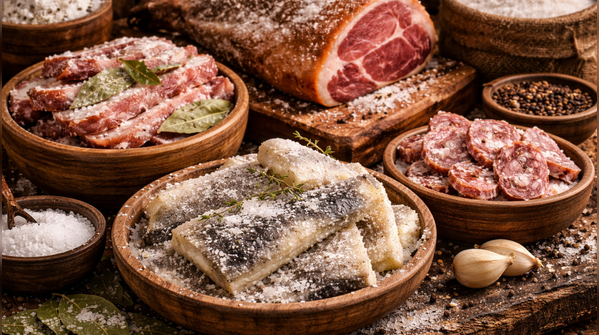
Salting
Salt was once so valuable it was called white gold, and for good reason. It draws moisture out of food and creates an environment where microbes struggle to survive. Ancient people salted fish, pork, beef and even vegetables to keep them edible for weeks or months.
Long before refrigeration existed, this simple mineral offered a reliable way to extend the life of food. A careful layer of salt could slow decay, protect precious harvests, and allow communities to store nourishment through seasons when fresh food was scarce.
This method was especially important in coastal communities and among travelers, armies and sailors. Salted cod, cured ham and pickled meats all trace their roots to this ancient instinct to preserve abundance with mineral precision.
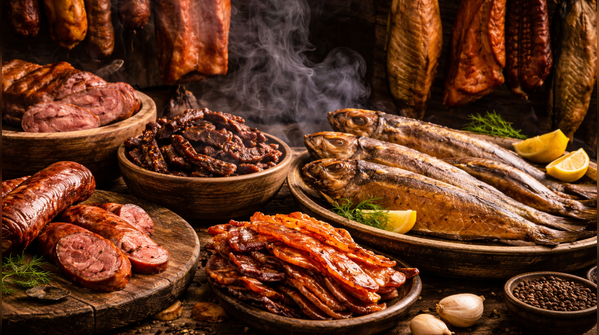
Smoking
Smoking food did more than add flavor. It also helped preserve it. Hanging meat or fish over a low, smoky fire exposed it to chemicals in the smoke that slowed spoilage, while the heat helped dry the surface.
Many Indigenous and traditional cultures used smoking as both a cooking and preservation method. It gave food a deeper taste, a firmer texture and a much longer shelf life. In many places, smoked fish and smoked meat became treasured seasonal staples.
Fermentation
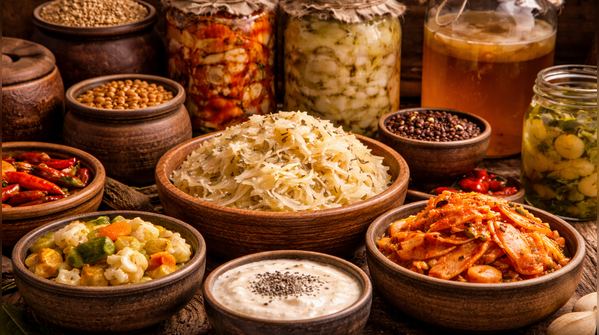
Fermentation may be one of humanity’s most brilliant accidents. People discovered that when foods were left under the right conditions, natural bacteria and yeast transformed them into something tangy, nourishing and far more durable.
This is how people preserved cabbage as sauerkraut, milk as yogurt, soy as miso and kimchi, and grains and fruits into drinks and batters. Fermentation did not just preserve food; it made it more complex, more flavorful and often easier to digest.
Pickling
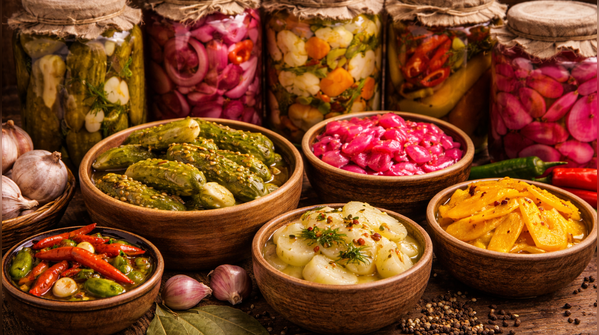
Before modern kitchens, vinegar, salt and brine were already working hard. Pickling preserved vegetables, fruits and sometimes eggs or fish by soaking them in acidic solutions that made it difficult for harmful bacteria to survive.
Cucumbers, onions, mangoes, peppers and turnips were commonly pickled in many cultures. The result was a bright, sharp flavor that cut through heavy meals and kept harvests from going to waste.
Sugaring
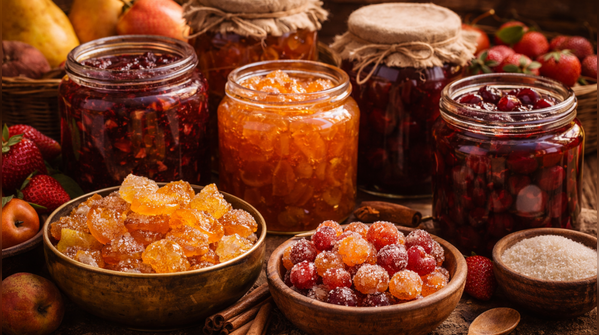
Sugar was not only a treat. It was a preservative. When fruits were cooked with enough sugar, the syrup drew out moisture and created an environment that slowed microbial growth. That is how jams, jellies, preserves and candied fruits became pantry mainstays.
This method allowed people to hold on to the sweetness of summer long after the season ended. In many households, a jar of fruit preserve was a small promise against winter’s scarcity.
Storing in cool underground spaces
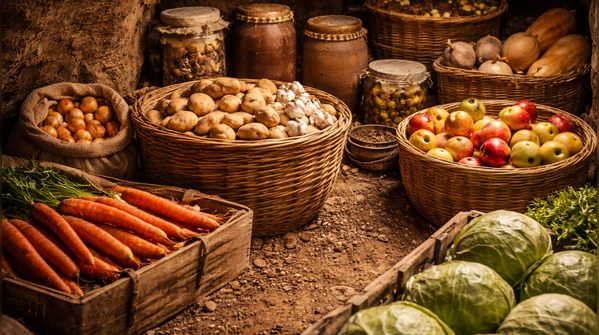
Before electric cooling, people used the earth itself as a natural refrigerator. Families planned harvest storage carefully, choosing dry soil, lining pits with straw, and stacking produce so air could move between layers. The slow breathing of the ground kept temperatures steady, while darkness discouraged sprouting. It was a quiet collaboration with nature, guided by observation rather than machinery or electricity today. Root cellars, clay pots buried in sand, underground pits and cool stone rooms helped maintain stable temperatures that slowed spoilage.
Potatoes, carrots, apples, turnips, onions and squashes were often stored this way. The earth offered what the weather could not: shade, steadiness and protection from heat.
Preserving in fat
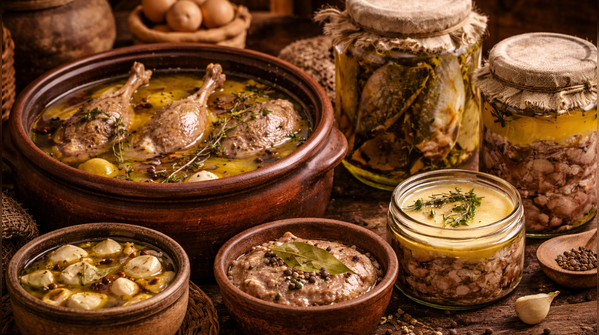
Confit, one of the oldest gourmet preservation techniques, began as a practical necessity. Meat was cooked slowly and then submerged in its own fat, which sealed out air and delayed spoilage. Similar ideas appeared in the storage of cheese, potted meats and preserved fish.
Before refrigeration, cooks relied on these methods to stretch the life of valuable food supplies through harsh seasons. The slow cooking also transformed tougher cuts of meat into something deeply tender.
The fat acted like a protective blanket, locking in flavor and keeping microbes away. What began as survival later became culinary luxury.
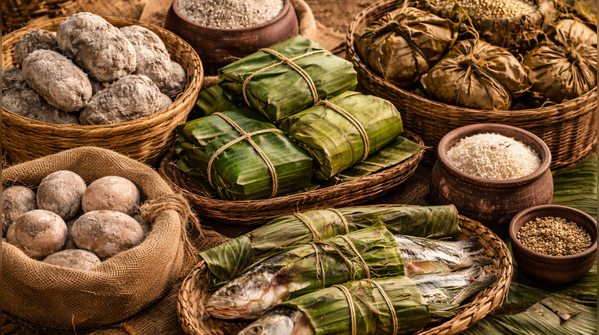
Using ash, clay or leaves
People also wrapped food in natural barriers. Ash, clay and broad leaves such as banana or fig leaves were used to protect grains, tubers, fish and other perishables. Some clays formed airtight coatings around eggs or seeds, while leaves helped shield food from insects and moisture.
These methods were often local and deeply tied to the environment. They show how preservation was not one universal trick, but a conversation between people and the land around them.
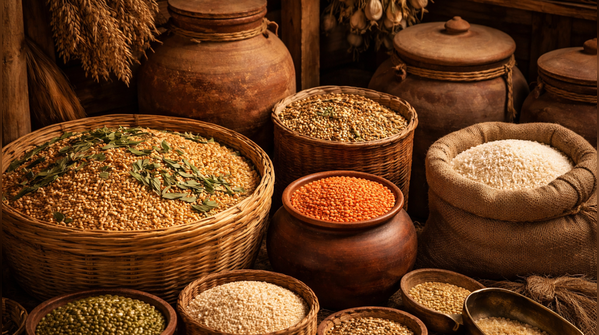
Storing grains and seeds carefully
Grains were life, so they were guarded with unusual care. Ancient communities used sealed jars, woven baskets, smoke-treated containers and elevated granaries to keep insects, dampness and rodents away.
In many places, ash, dried neem leaves, herbs or oils were added as natural deterrents. Preserving grain meant preserving a future meal, a next season and, often, a whole family’s security.
Featured In Food

MORE FROM ETIMES
life & style