
- News
- lifestyle
- fashion
- style-guide
- Kanjeevaram vs Banarasi silk: Which saree is best for your wedding day?
Kanjeevaram vs Banarasi silk: Which saree is best for your wedding day?
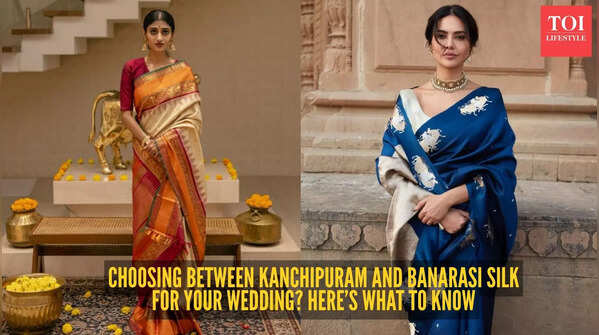
A tale of two heritages
Banarasi and Kanjeevaram sarees are two of India’s most prestigious weaves, telling a tale of quality, values, craftsmanship, and heritage. From bridal picks to wedding guest looks, women drape these two types of silk sarees the most. But have you ever thought about which saree is better? It usually depends on one’s personal style, drape preference, and budget, but today we’ll compare both across fabric, weaving, zari, weight, durability, and price range.
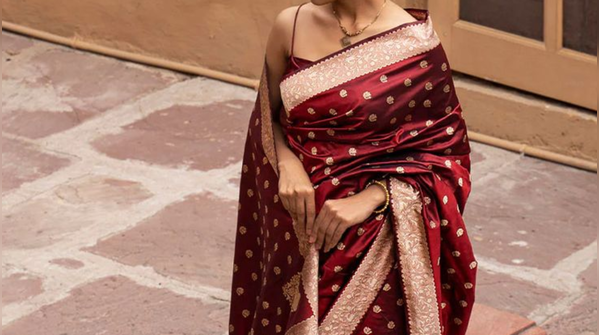
What is a Banarasi saree?
Banarasi sarees come from Varanasi, Uttar Pradesh, one of the world’s oldest silk weaving hubs. The city is popular for zari brocade, meenakari art, floral vines, Mughal-inspired motifs, and timeless opulence. The fabric usually includes pure silk, katan silk, organza, georgette, and tissue, featuring Mughal florals, jaal, paisley, and shikargarh. Banarasi sarees are usually heavy and give a shimmery, royal vibe.
(Image Credits: Pinterest)
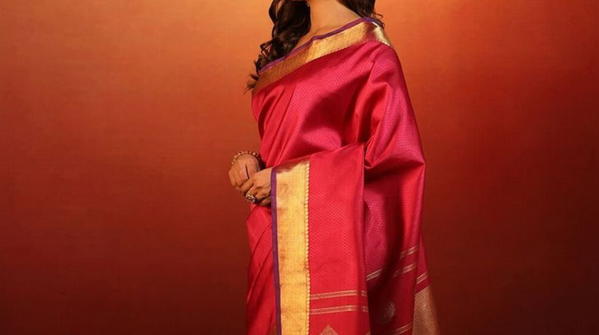
What is a Kanjeevaram saree?
Kanjeevaram sarees usually originate from Kanchipuram, Tamil Nadu, the ‘Silk City of India’. Known for its thick mulberry silk, gold zari borders, and temple-inspired weaving, the motifs usually include temple gopuram borders, checks, stripes, peacocks, coins, and more. Heavy, they look structured and absolutely majestic, giving you a regal and bold statement.
(Image Credits: Pinterest)
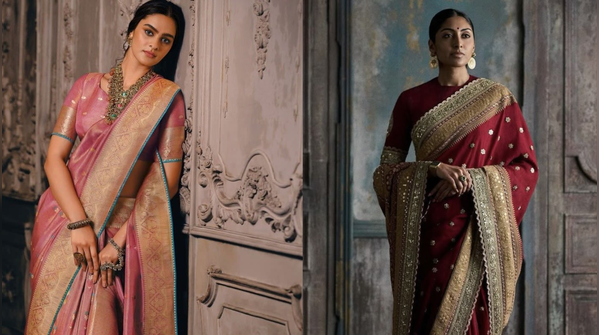
Why are both popular?
Kanjeevaram sarees usually last decades and are of heirloom value; their traditional grand draping and temple aesthetics suit auspicious rituals. A high-quality Kanjeevaram often becomes a family heirloom passed from mother to daughter over time. On the other hand, Banarasi sarees are mainly associated with bridal trousseaus, worn at receptions and anniversary events, and given as wedding gifts. Both bring graceful luxury, making them perfect for women who prefer easy drapes with a rich vibe.
(Image Credits: Pinterest)
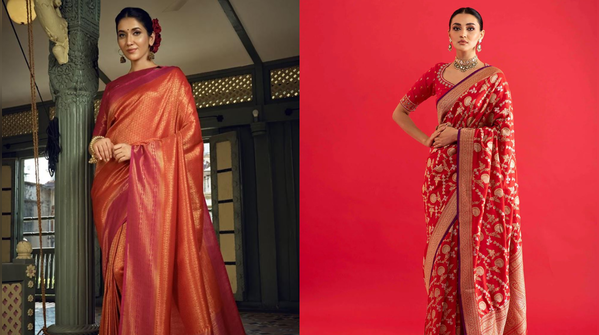
Which is better?
None is better than the other; in South Indian temple weddings, women usually prefer Kanjeevaram, whereas North Indian brides prefer Banarasi for the reception and pre-wedding events. But in terms of price range, Kanjeevaram is more expensive. The price of Banarasi starts from Rs 5,000 and goes up to Rs 80,000, whereas the handmade ones range around Rs 1 lakh. Kanjeevaram, on the other hand, starts from Rs 8,000 and goes up to Rs 1 lakh, whereas the heirloom one can be around Rs 2 lakh. So, which one will you prefer? So, which one will you prefer?
(Image Credits: Pinterest)
Featured In lifestyle

MORE FROM ETIMES
life & style