Trending
This story is from February 12, 2021
Artists come together to spread awareness on sustainable fashion
In an effort to encourage more discussions around sustainable fashion, seven artists have come together to produce a series of artworks that will talk about water consumption by the fashion industry.
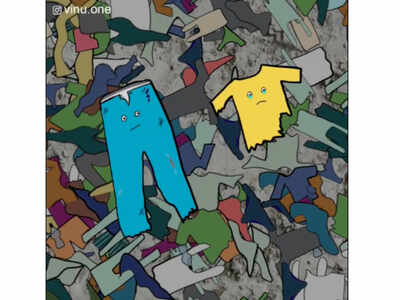
Vinu Joseph's artwork is one of the many artworks that talk about water consumption by the fashion industry

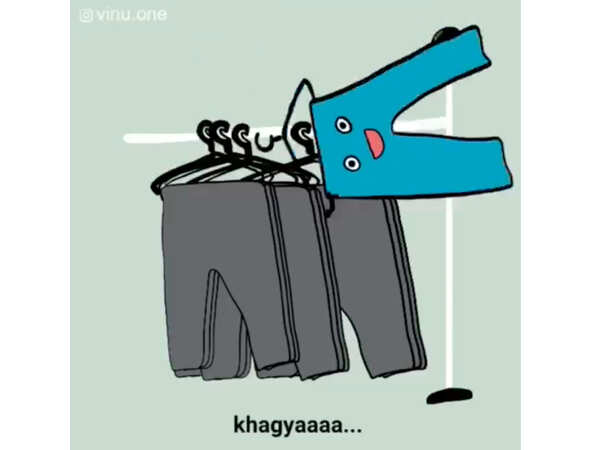
Vinu Joseph, a video storyteller, wanted to convey how the fast fashion industry contributes to the carbon footprint and harms the planet
The idea behind this initiative is to ask audiences to question the source of the clothes they wear. Talking about the video he has created for the project, Vinu Joseph, a video storyteller, says, “I wanted to convey the message of carbon footprint causing severe harm to the planet and how the fast fashion industry contributes to the same, through a fun yet informative video. It’s challenging to convey something this serious in a funny comic video, without losing the essence of the subject. My objective was not to throw deep details of the situation to my audience, but to make them aware of something they might have taken for granted all this while. I had to go through many articles from different publishers to cross-check all the facts and incorporate the same in my video. One of the facts that left me in shock is that a single T-shirt and jeans that we wear needs 20,000 liters of water to produce. After being a part of this project, I’d love to explore branches of sustainability in fashion and study more about it.”
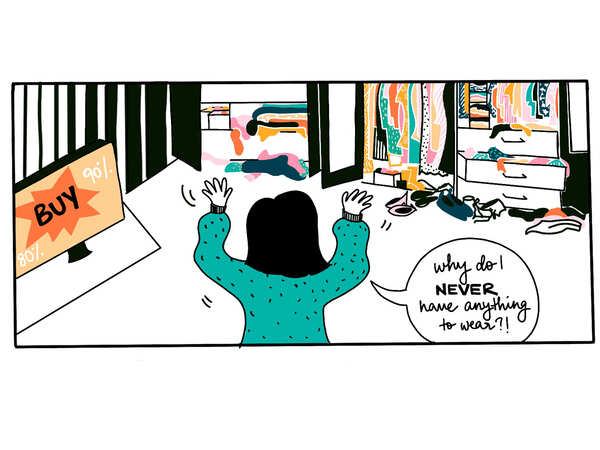
Sonali Bhasin's artwork is aimed at making people see the impact of their consumption habits
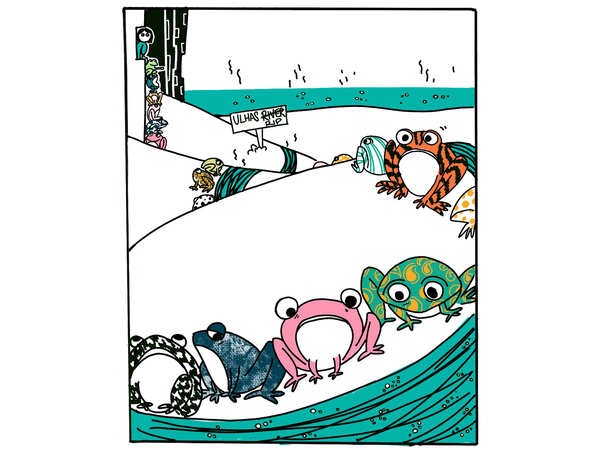
Sonali Bhasin’s illustration shows the impact that wastewater from dyeing clothes has on the environment
Cartoonist and illustrator Sonali Bhasin’s artwork talks about the impact that wastewater from dyeing clothes has on the environment. “The research provided by organisers as part of this collaboration really helped spark my imagination, as did the recent news of the Ulhas river turning not just turquoise, but black in some places, due to textile dye in 2020. Even more startling is that almost 20% of the world’s wastewater comes from fashion waste, and 85% of that wastewater is due to the dyeing process. So, my artwork is intended to be a comment on the kind of impact wastewater from dyeing has on our natural environment. We rarely see the impact of our consumption habits, especially when we live so far removed from nature,” she says.
End of Article
FOLLOW US ON SOCIAL MEDIA






Photostories
Featured In Lifestyle

MORE FROM ETIMES
life & stylePopular Categories
Entertainment NewsBollywood NewsTollywood NewsKollywood NewsMollywood NewsMovie ReviewsLatest Hindi MoviesLatest Tamil MoviesMX PlayerParenting TipsHome RemediesWeight LossBeauty TipsParenting TipsHindi VideosHindi Video SongsBhojpuri Music VideosLatest Telugu MoviesBhojpuri Music VideoHindi TV News
Trending in Entertainment
Latest MoviesBollywood MoviesHollywood MoviesTamil Movies 2024Telugu Movies 2024Malayalam Movies 2024Kannada Movies 2024Marathi Movies 2024Bengali Movies 2024Top Rated Movies 2024Best Hindi MoviesBest English MoviesBest Telugu MoviesBest Tamil MoviesBest Malayalam MoviesBest Kannada MoviesBest Bengali MoviesUpcoming Hindi MoviesBest Movies Of All TimeBest Hindi Movies of All Time
Trending in Etimes
Horoscope TodayNumerology Predictions TodayWalking BenefitsBreast Cancer DiagnosisYung Filly Rape CaseTaylor Rousseau GriggBelly FatSean Diddy CombsOzempic PersonalityDepression RiskBelly Fat LossDurga Visarjan 2024Toxic FriendshipDonald TrumpElon MuskDussehra 2024Durga Ashtami 2024Multitasking TipsSaraswati Visarjan 2024
Trending in TV
Trending in Lifestyle
Trending in Regional
Movie Reviews
Binny And Family ReviewLove, Sitara ReviewWill & Harper ReviewWolfs ReviewYudhra ReviewJo Tera Hai Woh Mera Hai ReviewKahan Shuru Kahan Khatam ReviewHis Three Daughters ReviewNever Let Go ReviewDancing Village: The Curse Begins ReviewTransformers One ReviewFirst Love ReviewBerlin ReviewThe Buckingham Murders Review
Upcoming Hindi Movies
Upcoming Regional Movies
Latest News
How each zodiac sign handles emotional distance in relationshipsBook review: 'The Scientist Entrepreneur' by Dr Kalpana Sankar is a nuclear scientist’s inspiring journey of women’s empowermentDid BTS' V get promoted to corporal in the South Korean military? recent appearance at an orchestra event has fans speculatingParas Mhambrey joins Mumbai Indians as bowling coachSalman Khan’s security beefed up after Baba Siddiqui’s murder; ‘Sultan’ star looked uncomfortable after visiting the late politician’s family at 3 amRanji Trophy: Thriller in the making as Krunal Pandya fifty helps Baroda lead by 226 runs vs MumbaiBiker’s death ignites village fury in Odisha's Boudh, massive traffic jam on NH-57SpaceX's fifth Starship test flight achieves historic booster catchKrushna Abhishek shares a heartwarming post for mama Govinda; says 'jab body mein adha blood supremely talented actor Govinda ka ho...'News brief: 'Who is listening? Modi?': Kapil Sibal takes a dig at RSS chief Mohan BhagwatKenya's Ruth Chepngetich breaks women's world record at Chicago MarathonZodiac signs likely to have soul connectionsAI’S Oppenheimer'Points towards failure of CM': Sanjay Raut slams Maharashtra govt over Baba Siddiqui's killingMahela Jayawardene returns as Mumbai Indians head coachMidnight queues, long waits, bad advice: It's not easy getting therapy in IndiaAlia Bhatt was rejected by Sanjay Leela Bhansali for Amitabh Bachchan and Rani Mukerji starrer 'Black''Came home in Holi, after that ... ': What mothers of Baba Siddique murder accused said
Other Group Sites -
ETimes is an Entertainment, TV & Lifestyle industrys promotional website and carries advertorials and native advertising.