Trending
This story is from September 8, 2020
Celebrating International Literacy Day in the COVID-19 crisis and beyond
UNESCO declared September 8 as the International Literacy Day. International Literacy Day aims to highlight the importance of literacy to individuals, communities and societies.

On October 26, 1966, realizing the power of literacy and the role it plays in an individual’s life, UNESCO declared September 8 as the International Literacy Day. The day was celebrated for the first time in 1967. International Literacy Day aims to highlight the importance of literacy to individuals, communities and societies.
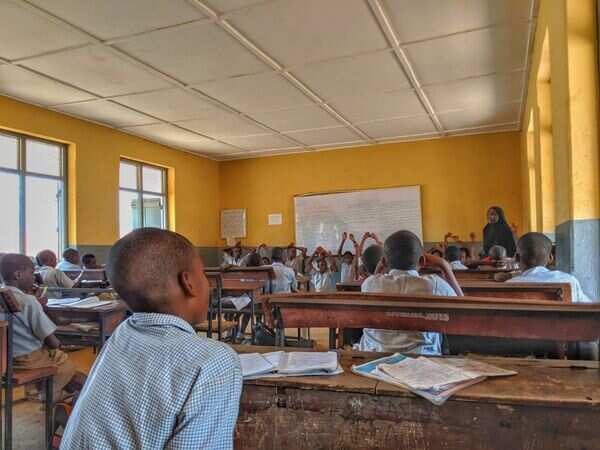
The need for increased literacy across the world arose after a study was conducted by the UNESCO Institute for Statistics. It revealed 775 million lack minimum literacy skills; one in five adults is still not literate and two-thirds of them are women; 60.7 million children are out-of-school and many more attend irregularly or drop out.
Another UNESCO report-Global Monitoring Report on Education for All-brought to light that South Asia has the lowest regional adult literacy rate (58.6%), followed by sub-Saharan Africa (59.7%). Countries with the lowest literacy rates in the world are Burkina Faso (12.8%), Niger (14.4%) and Mali (19%). This revelation clearly pointed out the connection between illiteracy and countries in severe poverty, and between illiteracy and prejudice against women.
As per these facts and statistics, it is evident that an increase in literacy is the need of the hour, and International Literacy Day is one step towards it. The International Literacy Day 2020 focuses on “Literacy teaching and learning in the COVID-19 crisis and beyond.” In particular, it emphasizes on the role of educators and changing pedagogies.
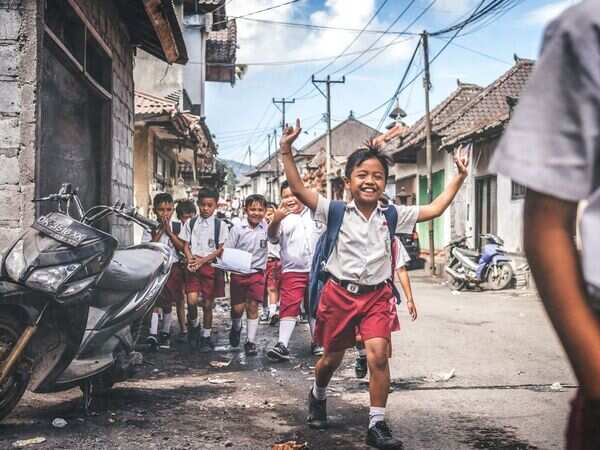
According to the UN official website: “The theme highlights literacy learning in a lifelong learning perspective, and therefore, mainly focuses on youth and adults. The recent Covid-19 crisis has been a stark reminder of the existing gap between policy discourse and reality: a gap that already existed in the pre-COVID-19 era and negatively affects the learning of youth and adults, who have no or low literacy skills, and therefore, tend to face multiple disadvantages. International Literacy Day 2020 provides an opportunity to reflect on and discuss how innovative and effective pedagogies and teaching methodologies can be used in youth and adult literacy programmes to face the pandemic and beyond.”
A global literate society is much needed for sustainable development of the planet. Such society will practice dialogue rather than violence, inclusion rather than segregation, and uniqueness rather than uniformity. In a world plagued by a global pandemic, violence, atrocities, violation of human rights, and several other concerns, literacy is the seed to be sown to reap humanity.
End of Article
FOLLOW US ON SOCIAL MEDIA









Photostories
Featured In Lifestyle

Popular Categories
Entertainment NewsBollywood NewsTollywood NewsKollywood NewsMollywood NewsMovie ReviewsLatest Hindi MoviesLatest Tamil MoviesMX PlayerParenting TipsHome RemediesWeight LossBeauty TipsParenting TipsHindi VideosHindi Video SongsBhojpuri Music VideosLatest Telugu MoviesBhojpuri Music VideoHindi TV News
Trending in Entertainment
Latest MoviesBollywood MoviesHollywood MoviesTamil Movies 2024Telugu Movies 2024Malayalam Movies 2024Kannada Movies 2024Marathi Movies 2024Bengali Movies 2024Top Rated Movies 2024Best Hindi MoviesBest English MoviesBest Telugu MoviesBest Tamil MoviesBest Malayalam MoviesBest Kannada MoviesBest Bengali MoviesUpcoming Hindi MoviesBest Movies Of All TimeBest Hindi Movies of All Time
Trending in Etimes
Horoscope TodayNumerology Predictions TodayAustria ElectionJoe BidenKamala HarrisPopulated Indian CitiesAlcohol Cancer RiskIsrael Beirut WarSunita WilliamsIsrael Hezbollah WarNepal FloodBarbra StreisandSnoring Prevention TipsDonald TrumpMagnesium DeficiencyRelationship TipsLake Michigan DiscoveryElon MuskEkadashi in October 2024
Trending in TV
Trending in Lifestyle
Trending in Regional
Movie Reviews
Binny And Family ReviewLove, Sitara ReviewWill & Harper ReviewWolfs ReviewYudhra ReviewJo Tera Hai Woh Mera Hai ReviewKahan Shuru Kahan Khatam ReviewHis Three Daughters ReviewNever Let Go ReviewDancing Village: The Curse Begins ReviewTransformers One ReviewFirst Love ReviewBerlin ReviewThe Buckingham Murders Review
Upcoming Hindi Movies
Upcoming Regional Movies
Latest News
Minister Konda Surekha apologizes to Samantha Ruth Prabhu after divorce remarks with her ex-husband Naga ChaitanyaKaun Banega Crorepati 16: Host Amitabh Bachchan recalls his young days in Allahabad; says 'Ganga nadi mein jaate the nahaane toh Gharial nikalta tha wahan'WBJEEB JELET counselling 2024 notification out, registration begins today at wbjeeb.nic.in'Was screaming, hitting him': 5-year-old Florida boy suffers cardiac arrest on Disney rollercoaster rideThe Amazing Spider-Man films starring Andrew Garfield now streaming for freeMahima Chaudhry reveals she begged Ajay Devgn and Prakash Jha to keep her near-fatal car accident secret: 'I feared industry boycott'Vijay's 'GOAT' gets an OTT release; official date announced!Navratri Day 1 colour: How to style the shade of OrangeQualifier Yash upsets second seed Manish at Fenesta OpenAquarius, Daily Horoscope Today, October 03, 2024: Romantic life may experience a few bumpsPopulation of Hindus & tribals declining in Jharkhand, says PM ModiChange Begins Here, as TOI shines a spotlight on hope and impactKTR reason for Naga-Samantha divorce, says Telangana minister; sparks rowIndian cinema has a rich legacy of storytelling: Rana DaggubatiAre 3 senior Karnataka mantris jockeying for chief minister's chair?Why record gold loan growth has RBI worriedIndian businesses view UK as key market for expansion: ReportKundali Bhagya actress Shalini Mahal pays homage to Gandhi Ji’s principles on his 155th birth anniversary
Other Group Sites -
ETimes is an Entertainment, TV & Lifestyle industrys promotional website and carries advertorials and native advertising.