Trending
This story is from July 13, 2017
Micro review: 'The Windfall' is a delightful comedy of errors
Actress Diksha Basu’s rip-roaring comedy of manners The Windfall is a surprising debut novel talking about Delhi’s subcategories of the wealthy and the middle-class.
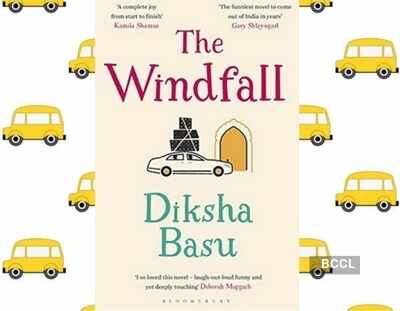
"The Windfall" by Diksha Basu

The Windfall
follows Anil Kumar Jha, who has recently acquired a surprising amount of wealth through hard work and has decided to live a good life henceforth. His simple wife, Bindu, accustomed to their unembellished lifestyle in East Delhi, is discomforted with their move to an upmarket, secluded locality in Gurgaon, away from her companion, the widowed Mrs Ray. While Mr Jha seems pleased with his son Rupak to pursue an MBA in New York, Mr Chopra, their new neighbour, however annoyed, seems to be comforted by the fact that his wife and unemployed son would forever remain his liability, two living proofs of his wealth being splurged around with no return. As Mr Chopra’s ego gets insatiable with the constant fear of getting one penny poorer than the Jhas, Mr Jha gets on a silent competition to claim himself better by announcing his son a failure and by actually letting Rupak pursue what he always wanted to do: film-making. The Windfall is a hilarious account of the all the insecurities and superficial demands of the rich, the top one percent of the one percent in India. Basu’s novel speaks the truth and reveals the warning signs that come with affluence in a wildly witty and pleasurable manner.
How critics view the book:
Jennifer Senior in The New York Times writes, “that’s the stuff of Amartya Sen’s worst nightmares and Tom Wolfe’s sweetest dreams.”
Divya Kala Bhavani
writes in The Hindu
, “The most remarkable stories usually comprise an out-of-comfort-zone perspective, inviting readers to empathise and grow with the characters. Author Diksha Basu makes no exception to this philosophy”. Publisher’s Weekly writes, “Shuttling between characters, the novel addresses a rapidly changing India from a plethora of perspectives, and the result leaves readers laughing and engrossed.”
End of Article
FOLLOW US ON SOCIAL MEDIA









Photostories
Featured In Lifestyle

Popular Categories
Entertainment NewsBollywood NewsTollywood NewsKollywood NewsMollywood NewsMovie ReviewsLatest Hindi MoviesLatest Tamil MoviesMX PlayerParenting TipsHome RemediesWeight LossBeauty TipsParenting TipsHindi VideosHindi Video SongsBhojpuri Music VideosLatest Telugu MoviesBhojpuri Music VideoHindi TV News
Trending in Entertainment
Latest MoviesBollywood MoviesHollywood MoviesTamil Movies 2024Telugu Movies 2024Malayalam Movies 2024Kannada Movies 2024Marathi Movies 2024Bengali Movies 2024Top Rated Movies 2024Best Hindi MoviesBest English MoviesBest Telugu MoviesBest Tamil MoviesBest Malayalam MoviesBest Kannada MoviesBest Bengali MoviesUpcoming Hindi MoviesBest Movies Of All TimeBest Hindi Movies of All Time
Trending in Etimes
Horoscope TodayNumerology Predictions TodayWalz Vs VanceJD VanceKamala HarrisPopulated Indian CitiesAlcohol Cancer RiskNational Boyfriend Day 2024Sunita WilliamsDepression RiskNepal FloodBarbra StreisandSnoring Prevention TipsDonald TrumpMagnesium DeficiencyRelationship TipsLake Michigan DiscoveryRelationship TipsEkadashi in October 2024
Trending in TV
Trending in Lifestyle
Trending in Regional
Movie Reviews
Binny And Family ReviewLove, Sitara ReviewWill & Harper ReviewWolfs ReviewYudhra ReviewJo Tera Hai Woh Mera Hai ReviewKahan Shuru Kahan Khatam ReviewHis Three Daughters ReviewNever Let Go ReviewDancing Village: The Curse Begins ReviewTransformers One ReviewFirst Love ReviewBerlin ReviewThe Buckingham Murders Review
Upcoming Hindi Movies
Upcoming Regional Movies
Latest News
Virgo, Weekly Horoscope, October 06 to October 12, 2024: Financial setbacks may arise mid-week but will improve by the weekend49ers' Christian McCaffrey May Return in Week 7 Against Chiefs, Adam Schefter Shares Latest Injury UpdateBigg Boss Tamil 8: Sunitha Gogoi to dazzle with dance performance from Vijay’s film 'GOAT'Zodiac Sign Women Who Cherish Independence"Will form govt in both Haryana, J-K": BJP's Tarun Chugh on upcoming Assembly elections resultsFans shower praises for Indira Krishna's role Paani Bai in Durga writes, "She's Lady Nana Patekar, Yeh toh Komolika ka bhi record todegi"Bigg Boss Tamil 8: Actress Sachana Namidass to participate in the upcoming season?Yamuna river pollution hits record high in Delhi: Faecal coliform levels soar in SeptemberWest Bengal govt misses 'deadline', junior docs begin fastMayank Yadav set to become a capped player ahead of IPL auction'No need to think about India's foreign policy': BJP' Kavinder Gupta on Mirwaiz Farooq statementBigg Boss 18 Promo: Salman Khan reveals the theme of the season by predicting the contestants' future in the houseBigg Boss Tamil 8: Ex-contestant Pradeep Anthony to participate in the upcoming season?State reminds pvt med colleges to follow SC mandate, resume admissions; colleges wait for assurance on fee reimbursementsBigg Boss Tamil 8 logo unveiled: Vijay Sethupathi set to host the new seasonExclusive - Omung Kumar on Bigg Boss 18 house: My inspiration came from staying in cave hotels abroad, especially in Turkey, but this set reflects our India, with its carvings, sculpturesBigg Boss 18 Promo: Salman Khan makes a stylish return; says 'the 18th season feels like coming home to a grand legacy'Best 43 Inch TVs In India: Top FHD LED TVs, 4K TVs & QLED TVs With A Screen Size Of 43 Inches
Other Group Sites -
ETimes is an Entertainment, TV & Lifestyle industrys promotional website and carries advertorials and native advertising.