Trending
This story is from September 7, 2023
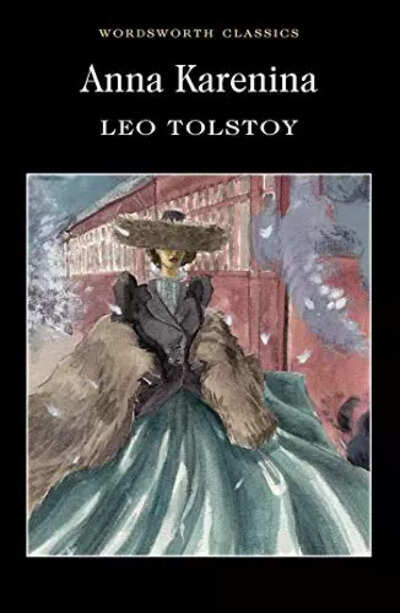
Anna Karenina: Unraveling the complexity of love and unhappiness
Leo Tolstoy's novel "Anna Karenina" begins with the line, "All happy families are alike; each unhappy family is unhappy in its own way." This statement suggests that there is a common formula for happiness in families, while unhappiness manifests in unique ways. The line serves to contrast happiness and unhappiness in familial relationships and is relevant to the story's exploration of various families and their dynamics.
Meaning and significance
universal vs. unique happiness: This line suggests that there is a common formula or set of conditions that lead to happiness in families.

comparison and contrast: Tolstoy's statement serves as a literary tool to highlight the contrast between happiness and unhappiness in the context of familial relationships. It sets the stage for the exploration of various families and their dynamics throughout the novel.
Connection with the title
The title of the novel, "Anna Karenina," places emphasis on the character of Anna Karenina herself, who is central to the story. Anna's experiences and her impact on her family and relationships serve as a prime example of the theme encapsulated in the opening line. Her pursuit of happiness leads to her own unique brand of unhappiness, and her story embodies the complex dynamics Tolstoy explores.
Relevance to the story and characters
Anna Karenina: Anna, the novel's titular character, epitomizes the idea that unhappiness in families is unique. Her unhappiness stems from her extramarital affair with Count Vronsky and the societal consequences it brings. Her struggle with her feelings, her marriage, and her role as a mother is a central focus of the novel.

<p>AI generated image/ Lexica.art</p><p> <br></p>
Other Characters: While Anna's story is central, the novel also introduces readers to several other families and characters, each grappling with their own challenges and forms of unhappiness. For example, the Oblonsky family deals with infidelity, while the Levin family navigates the complexities of rural life. The opening line allows Tolstoy to explore the diversity of human experience within the context of family life.
The opening line of "Anna Karenina" not only sets the stage for the exploration of happiness and unhappiness within families but also connects with the novel's title and serves as a guiding theme throughout the story. Tolstoy uses this idea to delve deep into the intricacies of human relationships, making the novel a rich and enduring exploration of the complexities of family life and individual happiness.
End of Article
FOLLOW US ON SOCIAL MEDIA









Photostories
Featured In Lifestyle

Popular Categories
Entertainment NewsBollywood NewsTollywood NewsKollywood NewsMollywood NewsMovie ReviewsLatest Hindi MoviesLatest Tamil MoviesMX PlayerParenting TipsHome RemediesWeight LossBeauty TipsParenting TipsHindi VideosHindi Video SongsBhojpuri Music VideosLatest Telugu MoviesBhojpuri Music VideoHindi TV News
Trending in Entertainment
Latest MoviesBollywood MoviesHollywood MoviesTamil Movies 2024Telugu Movies 2024Malayalam Movies 2024Kannada Movies 2024Marathi Movies 2024Bengali Movies 2024Top Rated Movies 2024Best Hindi MoviesBest English MoviesBest Telugu MoviesBest Tamil MoviesBest Malayalam MoviesBest Kannada MoviesBest Bengali MoviesUpcoming Hindi MoviesBest Movies Of All TimeBest Hindi Movies of All Time
Trending in Etimes
Horoscope TodayNumerology Predictions TodaySean Diddy MotherKarachi Airport ExplosionKamala HarrisJimmy KimmelBelly FatHurricane MiltonSunita WilliamsDepression RiskNepal FloodBarbra StreisandSnoring Prevention TipsDonald TrumpElon MuskRelationship TipsLake Michigan DiscoveryRelationship TipsEkadashi in October 2024
Trending in TV
Trending in Lifestyle
Trending in Regional
Movie Reviews
Binny And Family ReviewLove, Sitara ReviewWill & Harper ReviewWolfs ReviewYudhra ReviewJo Tera Hai Woh Mera Hai ReviewKahan Shuru Kahan Khatam ReviewHis Three Daughters ReviewNever Let Go ReviewDancing Village: The Curse Begins ReviewTransformers One ReviewFirst Love ReviewBerlin ReviewThe Buckingham Murders Review
Upcoming Hindi Movies
Upcoming Regional Movies
Latest News
1st T20I: Dominant India make quick work of BangladeshWorld famous Corpus Clock: A time piece and a haunting work of artGhum Hai Kisikey Pyaar Meiin: Savi accuses Jigar of misbehaviourYouTube Shorts extends duration to 3 minutes5 must follow rules of Ayurveda to lose 5kg in 30 daysONGC Apprenticeship Recruitment 2024 registration begins: Check direct link hereWWE Hall of Famer Diamond Dallas Page signs new WWE Legends deal'Like a ghost': Manish Sisodia says Arvind Kejriwal has become PM Narendra Modi's 'sole obsession''Singham Again' Trailer: Ranveer Singh kisses wife Deepika Padukone's poster as she skips grand launch eventMy effort in internationalising Shatatantri Veena among the next generation seemingly paying dividends says Tarun Bhattacharya on his return from US TourOptical Illusion: Can you find who's the boss in this picture?'All teams will come to Pakistan for Champions Trophy': PCB chairman on India's participationDucking Below The WavesCoin Master free spins and coins for 7 October, 2024: Earn million of coins using today’s linkIndustry upbeat on policy continuity as business confidence index rises to 2-quarter high: CIISeized vehicles, weapons used by Hamas in October 7 attack on display in IsraelCleveland Browns coach Kevin Stefanski said the team is “not changing quarterbacks” after Deshaun Watson's poor performanceIT companies appraisal, hike cycles shift from June to September quarter
Other Group Sites -
ETimes is an Entertainment, TV & Lifestyle industrys promotional website and carries advertorials and native advertising.