
8 life lessons from "You Can Heal Your Life" by Louise Hay
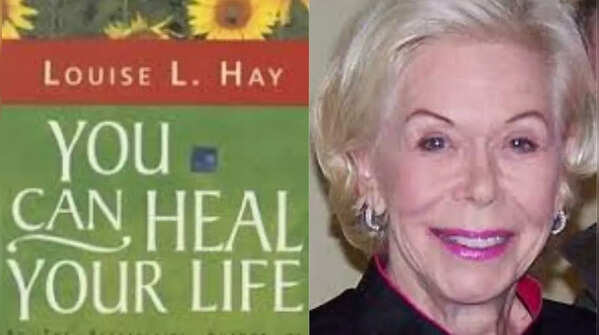
8 life lessons from You Can Heal Your Life by Louise Hay
You Can Heal Your Life by Louise Hay remains one of the most phenomenal self-healing and personal development books ever written. First published in 1984, this book delves into the profound connections between our thoughts, feelings, and our health. The core thesis of Louise Hay’s philosophy remains simple and profound: our patterns of thinking need to be altered in order to change our lives. The wisdom underlying this book has encouraged millions of people to adopt self-love and self-healing in their lives.
Image Credit: Wikipedia

Our thoughts shape our reality
Louise Hay teaches that our thoughts and beliefs will create our reality if we perpetuate them. Negative patterns of thought can translate to challenges in our emotions, and even to our physical health. We can change reality and our personal experiences simply by choosing positive and supportive thoughts.
Self-love is the foundation of healing
Loving oneself unconditionally is one of the most powerful messages in this book. Hay stresses the importance of self-acceptance over self-criticism. As people learn to accept themselves warts and all, they will build confidence and attain inner peace. Hay states that it is only after people stop warring with themselves and learn to cultivate self-compassion in themselves that they will be able to undergo real transformation.

Forgiveness frees the mind and body
Hay argues that holding onto anger and resentment imprisons emotional pain inside one's own body. The act of forgiveness, rather than excusing harm, releases one from this emotional pain. The process of forgiving ourselves and others makes it possible to heal naturally. The takeaway from this particular lesson is to notice how it emphasises self-care.

The body reflects emotional states
Louise Hay talks about the physical problems that reflect the unaddressed emotions in the body. She also asks the readers to recognise the messages from the body, which is not an enemy but a messenger. Receiving the messages of emotional stress, fear, or guilt can also heal the physical problems, as stated by Louise Hay.
Letting go of the past is essential
According to Hay, many struggles stem from past experiences that we refuse to release. Clinging to old pain prevents growth and renewal. Letting go does not erase memories but loosens their emotional hold. This lesson urges readers to live in the present, where healing and transformation are always possible.
Affirmations can reprogram the mind
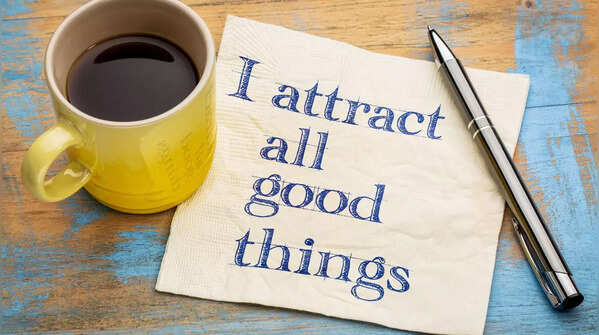
Positive affirmations are a crucial element of Hay’s philosophy. The repetition of empowering statements leads to the replacement of detrimental ideas with constructive ones. Even if the change in ideas feels like a slow process at the outset, the repetition of the affirmations leads to changes in the unconscious patterns of the brain.
Everyone has the power to change
Louise Hay emphasises that, no matter the depth of struggle, transformation is always possible. It does not matter what the person’s age or background is, or what kind of errors they have made in the past. It teaches hope because it assures the reader that transformation or healing is not only available to the selected few.
Inner peace comes from acceptance
Acceptance, according to Hay, is not resignation but understanding reality without resistance. When individuals stop battling themselves or life circumstances, inner peace emerges. This lesson teaches that peace grows when we trust the process of life and respond with patience rather than fear.
"You Can Heal Your Life" contains enduring truths based on self-awareness and understanding and on moving from self-blame to self-love. Louise Hay also reveals how healing is an internal process and that people can change their lives by changing their minds and their attitudes towards their own lives. This makes these teachings very relevant today since they provide readers with the power and freedom to take charge of their lives and destiny once again.
Featured In lifestyle

MORE FROM ETIMES
life & style