
8 female writers who defined science fiction across generations
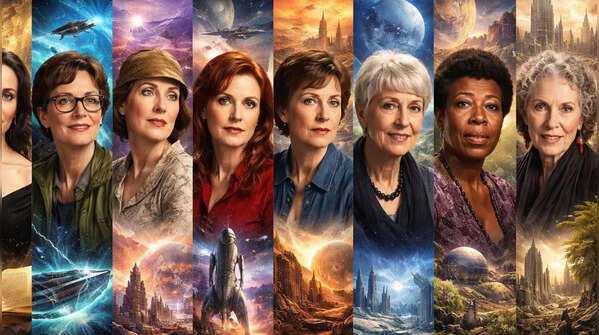
8 female writers who defined science fiction across generations
Science fiction did not come about by chance; rather, it was shaped by the minds of writers who went beyond what human minds were capable of imagining and explored what science meant for mankind. Even though science fiction is commonly associated with men, women have played an integral role in shaping science fiction from its very inception.
From the earliest attempts with science to the latest explorations with identity and social constructs, these writers did not simply play a part in science fiction; they redefined it. By exploring these writers in chronological order, one can see how science fiction developed over time.
PC: AI-Generated
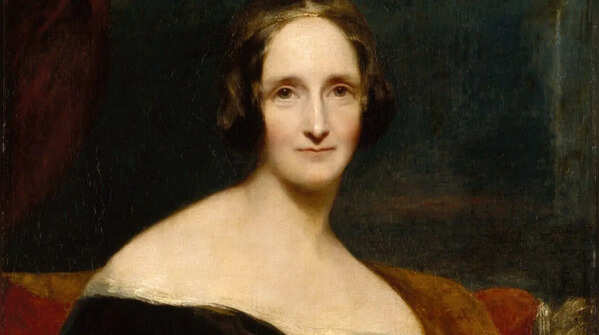
Mary Shelley
Mary Shelley’s contribution started in an environment influenced by unusual events. While staying near Lake Geneva with Lord Byron and Percy Bysshe Shelley, Mary Shelley was influenced by the constant rain, which kept the party indoors and led them to discuss various aspects of science and life.
Mary Shelley’s novel "Frankenstein" was inspired by the discussion on the topic of reanimation and electricity. Unlike other gothic novels, "Frankenstein" was the first novel to use scientific explanations instead of supernatural events. The novel discussed the consequences of human ambition, responsibility, and creation, which are still present in the field of science fiction.PC: Wikipedia
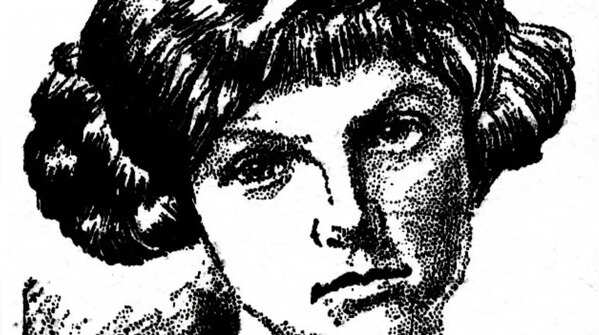
Clare Winger Harris
Clare Winger Harris was a pioneer among female science fiction writers, publishing her work under her own name in prominent science fiction magazines like "Amazing Stories" during a time when many female writers adopted pseudonyms.
The story "The Fate of the Poseidonia" is an excellent representation of Harris's science fiction writing, which was infused with depth. She also portrayed female viewpoints, subverting the predominantly male-centric science fiction genre.
PC: Wikipedia
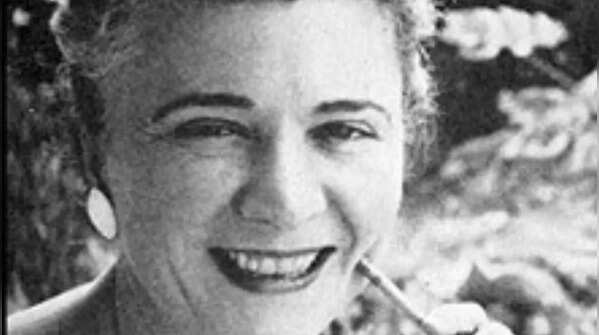
C. L. Moore
In the 1930s, C. L. Moore became prominent, using initials because of bias against gender. She was known for her blend of imagination and emotional depth.
In "Mimsy Were the Borogoves" and "Vintage Season," Moore's science fiction explored not just futuristic concepts but also how people reacted to them. She is credited with moving science fiction beyond purely conceptual fiction.
PC: Wikipedia
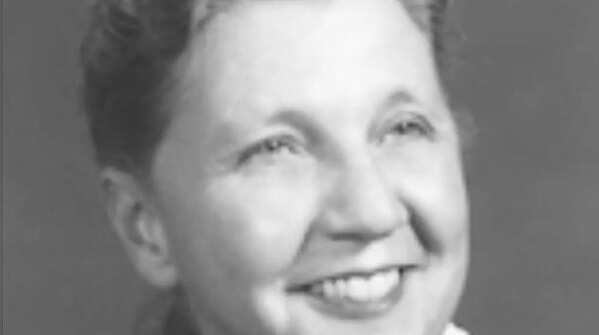
Leigh Brackett
Leigh Brackett was a prominent writer during the Golden Age of science fiction, characterised by expansive and adventurous themes. "The Long Tomorrow" is a novel that exemplifies her ability to blend scientific speculation with engaging narrative.
She also worked as a screenwriter for prominent film productions, which helped popularise science fiction in mainstream culture.
Her work helped bridge the gap between literary science fiction and popular media.
PC: Wikipedia
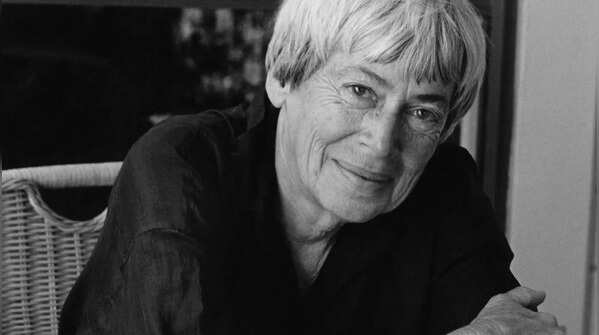
Ursula K. Le Guin
Ursula K. Le Guin was a science fiction writer who changed the genre by emphasising social and philosophical ideas. Her science fiction novel “The Left Hand of Darkness” was based on gender and identity issues in an alien culture.
Unlike most science fiction writers who emphasised science and technology, she used science fiction to explore and challenge cultural and human relationships. Her works elevated science fiction to an intellectually and emotionally engaging genre.
PC: Wikipedia
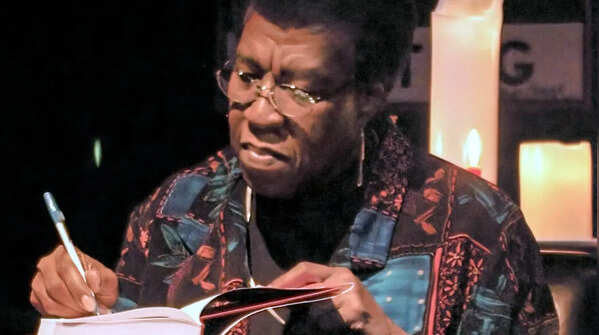
Octavia E. Butler
Octavia Butler developed the genre further with themes related to race, power, and survival. Butler’s novel “Kindred” combines historical trauma with sci-fi elements, while the Parable series examines dystopian futures with a focus on social inequality.
Butler’s work is rooted in human experiences that are both speculative and pertinent. She was a key figure in making science fiction more inclusive and socially conscious.
PC: Wikipedia
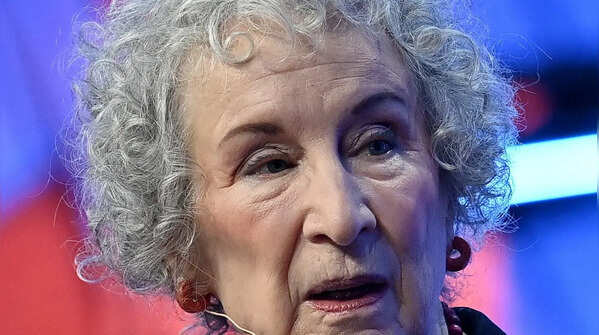
Margaret Atwood
However, the style of Margaret Atwood’s science fiction is based on events that are considered realistic. Margaret Atwood’s novel, “The Handmaid’s Tale”, is a dystopian novel that deals with issues of power, control, and society.
She has stretched the limits of this particular genre by focusing on realistic events, rather than futuristic events, thereby popularising the genre for a larger audience.
PC: Wikipedia
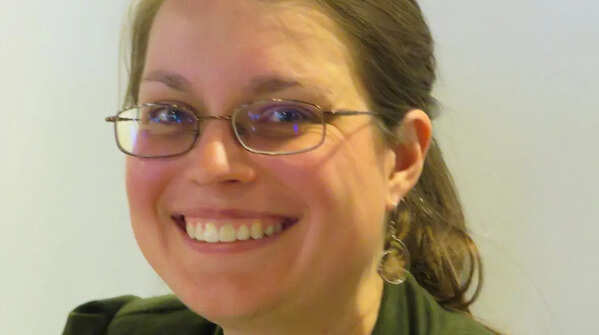
Becky Chambers
Becky Chambers is the embodiment of the newer wave of science fiction writing that has focused on the characteristics of the genre and the emotional content of the stories. Her writing, like that of other science fiction authors, has concentrated on the day-to-day experience of life in space.
The novel "The Long Way to a Small, Angry Planet" explores life aboard a spaceship through diverse characters and cultures. The themes of her writing, like those of other science fiction authors, have focused on the concepts of community, identity, and coexistence among species.
PC: Wikipedia
Featured In lifestyle

