
10 classic books by authors known for their exceptional humour: From Oscar Wilde to Kingsley Amis
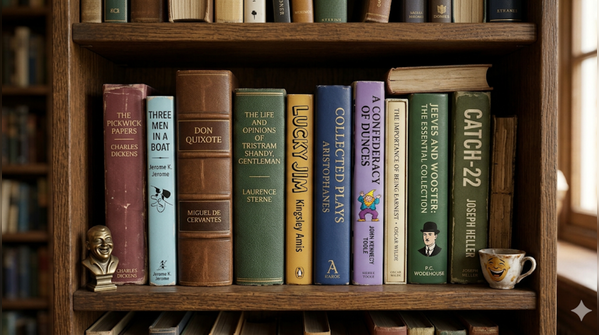
10 classic books by authors known for their exceptional humour: From Oscar Wilde to Kingsley Amis
Humour has been an integral part of literature and has played an important role in reflecting and commenting on society. It has been used to comment on life and to bring a smile to readers’ faces. Classic authors have used humour to transform simple situations into literary masterpieces. These works of literature are not only amusing but also reflect different aspects of human life. Whether it is the absurd experiences of fictional characters or the witty comments on life and society, humour is what makes these classics so appealing. These ten classic works of literature are known for their exceptional sense of humour. Together, they prove that laughter in literature is not merely entertainment, but a powerful lens through which the complexities of human nature are both softened and revealed.
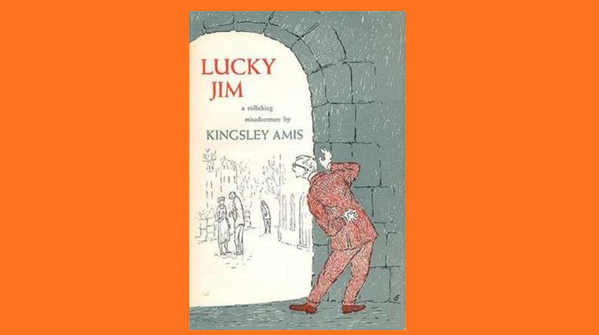
Lucky Jim: Kingsley Amis
"Lucky Jim" is a classic British campus novel that employs sarcasm and awkward situations to create humour. Literary research states Amis portrays the "frustrations of academic life" with wit and honesty. The thoughts of the protagonist also add to the humour.
Image: Wikipedia

A Confederacy of Dunces: John Kennedy Toole
According to EBSCO, this novel has the eccentric character Ignatius J. Reilly, whose absurd beliefs provide humour. This novel was widely celebrated upon publication. The comedic brilliance of this novel is character-based satire and exaggeration.
Image: Wikipedia

Cold Comfort Farm: Stella Gibbons
This novel is a parody of rural melodrama, and this is done with clever humour and a modern touch. Gibbons uses humour to mock emotions and drama. The character Flora Poste is a voice of reason in a chaotic rural setting, which is used for comedic effect, as quoted by Penguin Books UK.
Image: Wikipedia
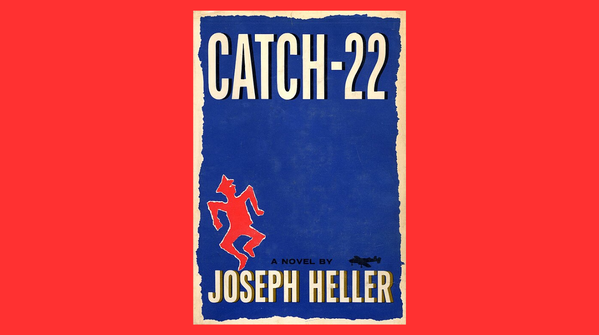
Catch-22: Joseph Heller
According to the National Book Critics Circle, Catch-22, which is a dark comedy set against the background of a war, uses absurd logic to point out the contradictions in a bureaucratic set-up. The term 'Catch-22' itself has become a common term in everyday use. Heller's humour, though crisp, can be unsettling.
Image: Wikipedia
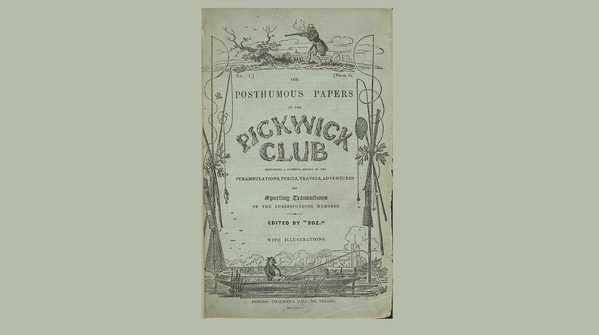
The Pickwick Papers: Charles Dickens
Dickens’ first novel is full of comic moments and characters. Mr. Pickwick’s adventures are both ridiculous and touching. The Pickwick Papers' humour is based on exaggeration and observation of human social traits.
Image: Wikipedia
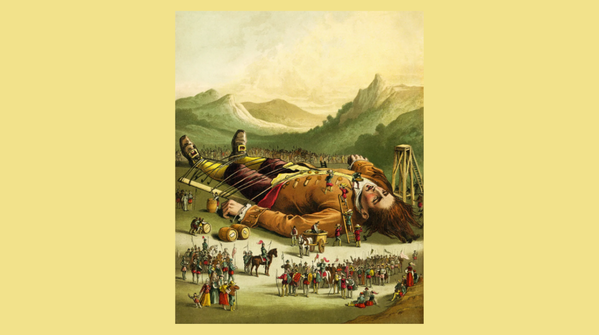
Gulliver’s Travels: Jonathan Swift
Gulliver’s Travels is not only funny, but also very satirical. Through absurd places and characters, he is able to comment on politics and humanity. “Swift defined satire as a ‘sort of glass, wherein beholders do generally discover everybody’s face but their own.” Source:
Image: Wikipedia
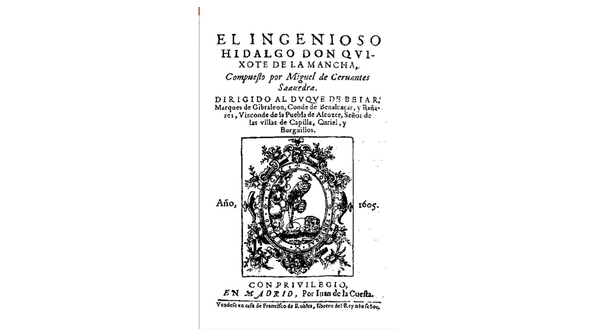
Don Quixote: Miguel de Cervantes
Don Quixote is often referred to as one of the first modern novels that combines humour with adventure. The protagonist’s misguided chivalry leads to some humorous moments that have great meaning. Cervantes’ use of irony is evident in his portrayal of reality versus illusion.
Image: Wikipedia
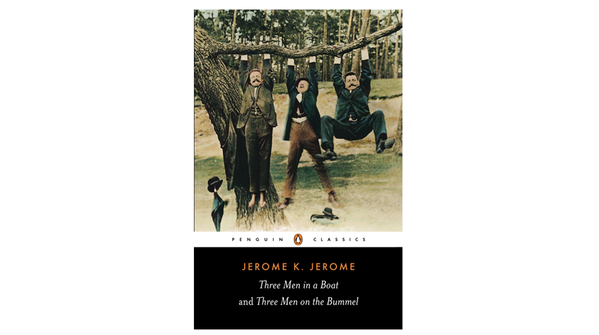
Three Men in a Boat: Jerome K. Jerome
This comic travelogue is about three friends who went on a boating journey that was full of mishaps and comical insights. Jerome’s humour is based on exaggeration and observation of day-to-day life. As suggested by literary critics, Jerome once said that his book was intended to be “funny,” but it ended up being much more than that.
Image: Wikipedia
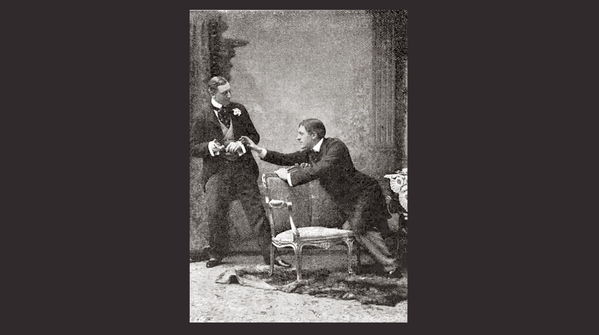
The Importance of Being Earnest: Oscar Wilde
Oscar Wilde wrote a masterpiece of satire and wordplay. The absurd situations and dialogue used in the play mock Victorian society. As stated on the Gutenberg Org website, Oscar Wilde was known for his quote: “The truth is rarely pure and never simple.”
Image: Wikipedia
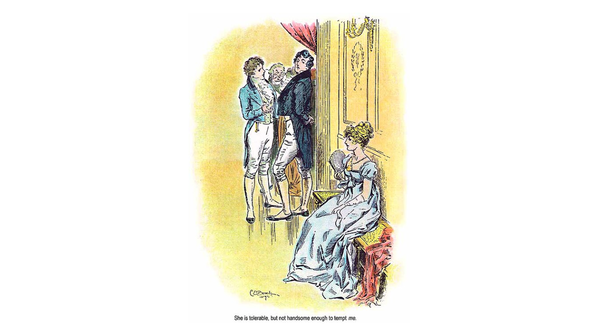
Pride and Prejudice: Jane Austen
Austen's wit can be seen in the way she depicts matters of manners, marriage, and miscommunication. As per the Malaya Journal of Matematik, the humour in Mr Bennet's wit and Elizabeth's observations makes the book a delightful read. Austen herself described her book as "light and bright and sparkling" in a letter she wrote.
Image: Wikipedia
Featured In lifestyle

MORE FROM ETIMES
life & style