
10 books whose first line is enough to convince anyone to read them

10 books whose first line is enough to convince anyone to read them
A strong opening sentence can offer much more than a mere introduction to a story. It can establish the mood, raise interest, and hold a promise of something unforgettable. There are authors, of course, who are successful in hooking the reader right from the opening sentence. In fact, the reader might not be able to put the book down. These are the ten books whose opening sentence is enough to convince anyone to continue with the story, without hesitation.
Image Credit: Canva
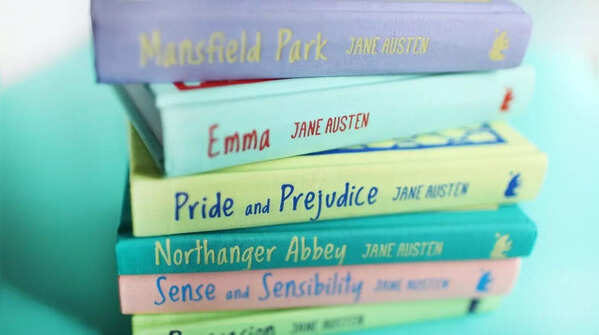
Pride and Prejudice by Jane Austen
First line: “It is a truth universally acknowledged, that a single man in possession of a good fortune, must be in want of a wife.”
As she begins “Pride and Prejudice”, Austen immediately establishes theme and tone through her first sentence with “gentle ironies and sharp wit,” placing herself and her audience squarely in the camp of those who recognise that marriage and society are more about wit and observation than about emotion or instinct.
Image Credit: Canva
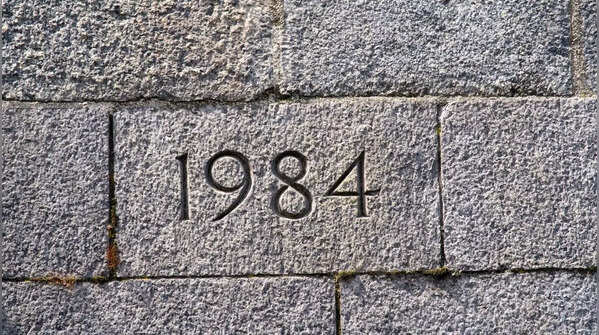
1984 by George Orwell
First line: “It was a bright cold day in April, and the clocks were striking thirteen.”
This ominous sentence directly implies a problem in the world which Orwell is about to describe. The first thing the title does is create a sense of juxtaposition between the normal and the strange. This creates a sense of discomfort in the reader. The reader is interested in a sense of a threatening or altered society.
Image Credit: Canva
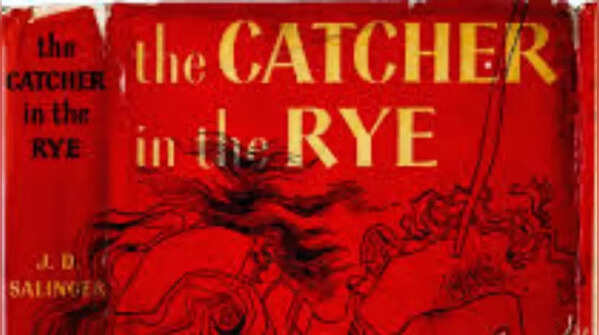
The Catcher in the Rye by J.D. Salinger
First line: “If you really want to hear about it, the first thing you’ll probably want to know is where I was born…”
It’s conversational, casual, and full of attitude, all qualities which make this dialogue sound like someone is speaking to you directly. The voice of Holden Caulfield is both authentic and youthful, which seeps into the reader’s consciousness with the first encounterImage Credit: Wikipedia
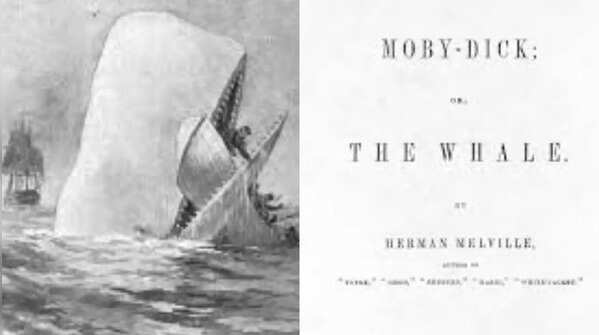
Moby-Dick by Herman Melville
First line: “Call me Ishmael.”
There are very few openings that are as recognisable or as self-assured. The simplicity and intrigue in this opening sentence immediately raise questions about who this narrator is, giving the audience a sense that they are about to embark on something philosophic, rather than just physical.
Image Credit: Wikipedia
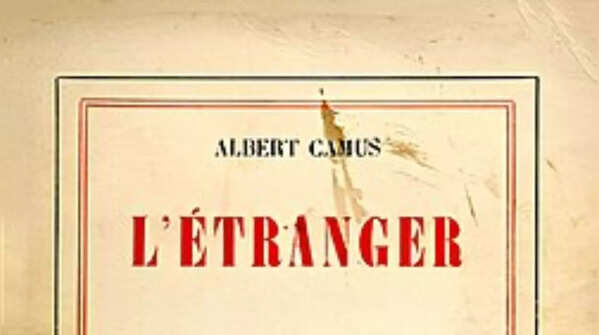
The Stranger by Albert Camus
First line: “Mother died today. Or maybe yesterday; I don’t know.”
This direct and unemotional opening shocks the reader. It brings about Meursault’s indifference and sets the tone for an entire novel that raises questions about morality and meaning. The directness and discomfort of this statement make it impossible for it to be ignored.
Image Credit: Wikipedia
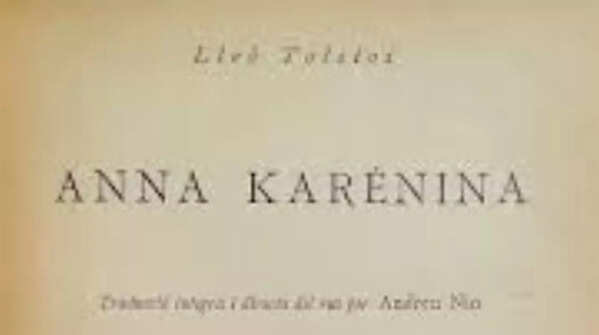
Anna Karenina by Leo Tolstoy
First line: “All happy families resemble one another, each unhappy family is unhappy in its own way.”
Tolstoy's insight into the complexities of human relationships is condensed into this sentence. This sentence is universally true and is philosophical because it is an introduction to the novel that will explore the ideas and themes of love, marriage, and inner turmoil.
Image Credit: Wikimedia Commons
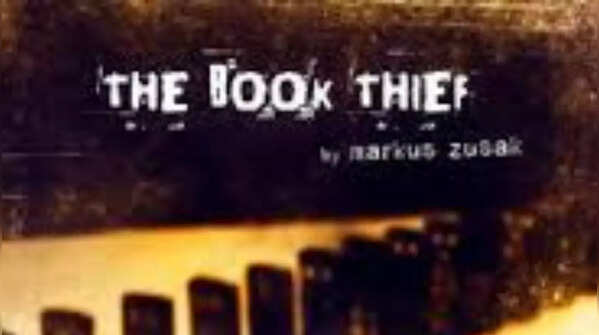
The Book Thief by Markus Zusak
First line: “Here is a small fact: You are going to die.”
Bold and chilling, this introduction seizes one’s attention from the very start. As told from the point of view of Death itself, this line faces mortality with no holds barred while paradoxically conveying an air of intimacy.
Image Credit: Wikipedia
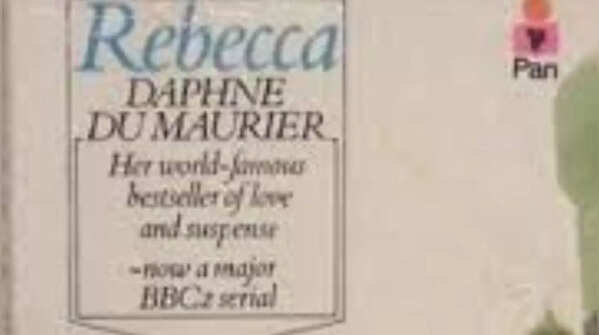
Rebecca by Daphne du Maurier
First line: “Last night I dreamt I went to Manderley again.”
Nightmarelike and mysterious, this sentence draws the reader into a world of memory and longing. It hints at loss, obsession, and hidden meaning, suggesting a gothic novel with emotional heat right from the opening sentence.
Image Credit: Wikipedia
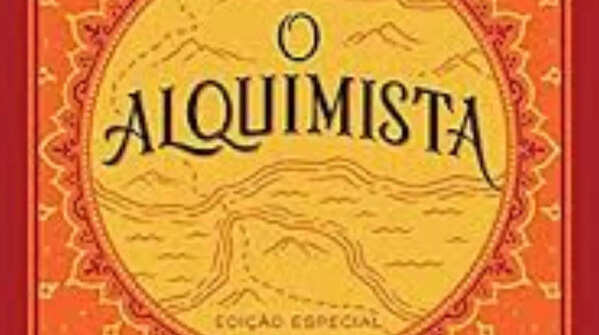
The Alchemist by Paulo Coelho
First line: “The boy’s name was Santiago.”
Simple and unpretentious, this beginning reflects the quality of this novel, clean and universal. It reads like the beginning of a parable, drawing one in on what promised to be a spiritual journey in which very mundane beginnings meet very profound self-discovery.
Image Credit: Wikipedia
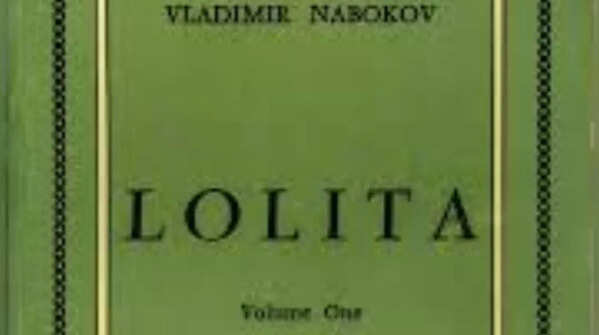
Lolita by Vladimir Nabokov
First line: “Lolita, light of my life, fire of my loins.”
Lyrical, provocative, and importantly disturbing, these opening words immediately convey the complexities and controversies that reside, compelling the readers to continue despite the moral discomfort it evokes.
Image Credit: Wikipedia
Featured In lifestyle

