
10 female authors who added words like ‘moody’, ‘feminine’ and more to the dictionary
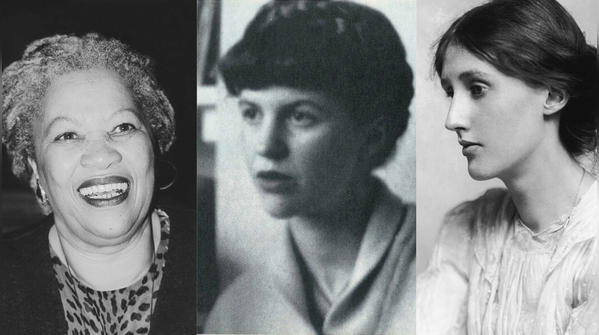
10 female authors who added words like ‘moody’, ‘feminine’ and more to the dictionary
Language is a dynamic tool that evolved, extended, and reinvented itself in the voices of those who speak it and continues to do so. Perhaps some of the most interesting additions to the vocabulary of the English language have come not from scientists, linguists, or grammarians, but from storytellers and writers, particularly women writers who were brave enough to play with words. This photostory is a tribute to ten remarkable women writers whose imagination was not only limited to storytelling but also extended to the very pages of the dictionary, leaving behind words that lived on to evolve and reverberate.
Images: Wikipedia
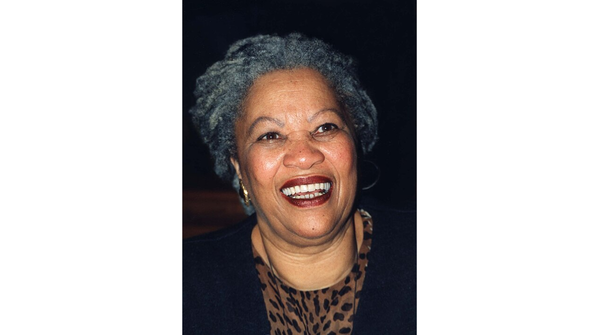
Toni Morrison: “Rememory”
Toni Morrison’s writing enriched English through rhythm, cultural expression, and redefined meanings. OED notes it as a coined term in Beloved, describing the act of remembering trauma. She reshaped existing ones with depth and context. As noted by her, her work transformed narrative voice and vocabulary.
Image: Wikipedia

Margaret Atwood: “Unbaby”
Margaret Atwood contributed terms like “unbaby” and popularised dystopian vocabulary through The Handmaid’s Tale. Her linguistic creativity has been discussed in academic circles for its role in shaping speculative fiction language. The literary analyses on Enotes frequently cite her work for modern lexical influence.
Image: Wikipedia

Suzanne Collins: “Mockingjay”
Suzanne Collins introduced the term “Mockingjay” in new cultural contexts through The Hunger Games. These words gained widespread recognition, popularising the fictional term. NWF Blog highlights how fiction can redefine existing words, and Collins’s work is a clear example of this phenomenon.
Image: Wikipedia

J.K. Rowling: “Muggle”
J.K. Rowling famously coined words like “Muggle” and “Quidditch,” many of which are now recognised by the OED. The dictionary defines “Muggle” as “a person without magical powers,” citing her Harry Potter series as the origin. Her impact on modern vocabulary is undeniable.
Image: Wikipedia

Sylvia Plath: “Bee-box”
Sylvia Plath introduced vivid, emotionally charged expressions that influenced modern English. Plath’s poem The Arrival of the Bee Box contributed to metaphorical lexical use. Scholars referencing her work note how she stretched conventional vocabulary into deeply personal and psychological territory.
Image: Wikipedia

Virginia Woolf: “Stream of consciousness”
Virginia Woolf contributed to modernist language, shaping abstract and introspective expressions. Words like “stream-of-consciousness” gained prominence in the literary world through her narrative style. As noted in literary studies, Woolf’s writing helped redefine how internal thought could be linguistically structured.
Image: Wikipedia

Christina Rossetti: “Goblin-like”
Christina Rossetti played with poetic language, helping popularise expressive terms like “Goblin-like” and unusual constructions. Though not always credited with direct coinages, her poetic influence shaped how certain descriptive words evolved. Literary scholars often cite her work as expanding imaginative vocabulary in Victorian English.
Image: Wikipedia
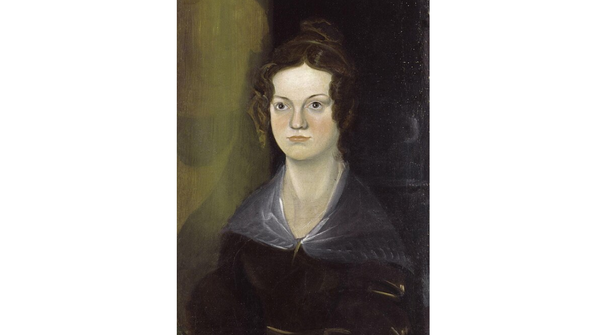
Charlotte Brontë: “Moody”
Charlotte Brontë helped shape literary emotional vocabulary, with words like “moody” and “sympathetic” in emotional depth. In Jane Eyre, she expanded how inner feelings were described. The OED notes her influence in shaping psychological vocabulary in fiction, making emotional expression more precise and relatable in English literature.
Image: Wikipedia
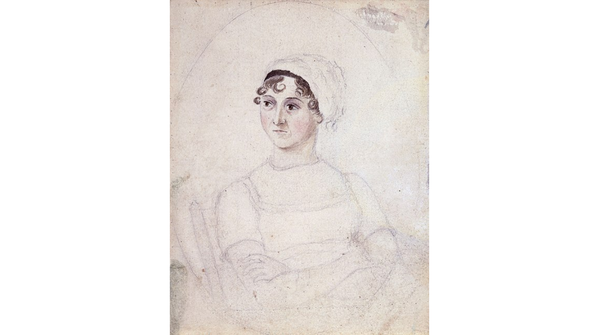
Jane Austen: "vanity-bait"
Jane Austen is credited with refining the social meaning of words like "vanity-bait" in nuanced social contexts. Her novels refined everyday language, embedding subtle emotional vocabulary into English. According to the OED, Austen’s works are frequently cited for first recorded usages and contextual richness, helping define how ordinary words gained layered meanings.
Image: Wikipedia
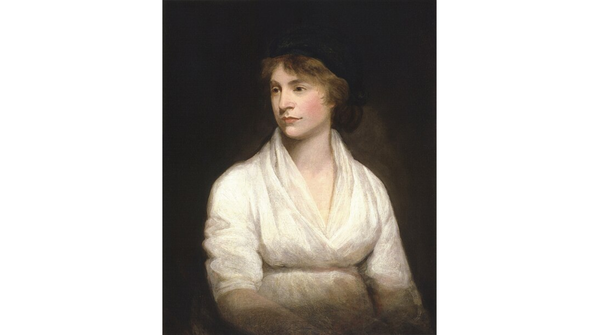
Mary Wollstonecraft: “Feminine”
Mary Wollstonecraft helped popularise the term “feminine” in a modern intellectual sense. In A Vindication of the Rights of Woman (1792), she challenged gender norms and reshaped how language framed women. The Oxford English Dictionary (OED) credits her work with influencing the evolving meanings of gendered terms. Her writing expanded not just ideas, but vocabulary itself.
Image: Wikipedia
Featured In lifestyle

MORE FROM ETIMES
life & style