Trending
Your kitchen refined oil is cooking acne and zits, not food
The shiny bottle filled with golden liquid lying in your kitchen is a simple factory of breakouts, and your acne loves this refined oil more than you do.

(Image Credits: Pinterest)

(Image Credits: Pinterest)
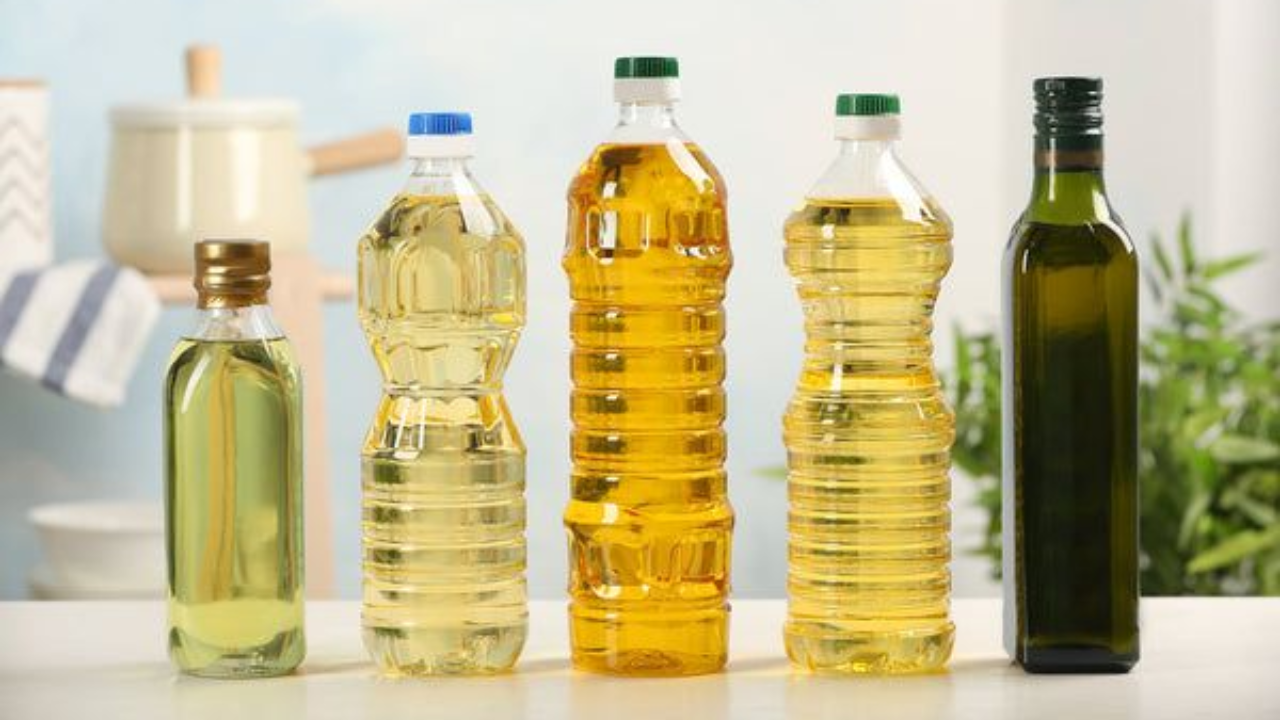
(Image Credits: Pinterest)

About the AuthorTOI Lifestyle Desk
End of Article
Follow Us On Social Media
Tired of too many ads?go ad free now
lifestyle videos
Featured In Lifestyle

Tired of too many ads?go ad free now
MORE FROM ETIMES
life & styleHot on the Web
Twinkle KhannaPancreatic Cancer SymptomsSanjay DuttHappy Bhai Dooj 2025Kidney HeathKaran JoharLiver Damage SymptomsColon CancerNails PeelingRat PoisonHeart FailureMorning DrinksEarth Second MoonBlood Sugar ControlAlia BhattKidney Problem SymptomsArthritis SymptomsMorning WoozinessSushmita SenHeart HealthLower CholesterolFoods For Heart HealthLokah Chapter 1Nighttime HabitsRishabh TandonDiet For Lung HealthChronic Sleep DeprivationHigh Uric AcidBison Kalamaadan Movie ReviewKantara Box Office CollectionElephant Safari National ParkEye Symptoms That Never IgnoreBrain Tumour Warning SignsHair Oiling MistakesChronic ConstipationYoutuber Lilly SinghIranian SnakeElon MuskMultigrain Flour BenefitsVitamin b12 DeficiencyColon Cancer
Trending Topics
Latest MoviesBollywood MoviesHollywood MoviesTamil Movies 2025Telugu Movies 2025Malayalam Movies 2025Kannada Movies 2025Marathi Movies 2025Bengali Movies 2025Top Rated Movies 2025Best Hindi MoviesBest English MoviesBest Telugu MoviesBest Tamil MoviesBest Malayalam MoviesBest Kannada MoviesBest Bengali MoviesUpcoming Hindi MoviesBest Movies Of All TimeBest Hindi Movies of All TimeLatest English MoviesLatest Malayalam MoviesEnglish TV NewsTamil TV NewsTelugu TV NewsMalayalam TV NewsKannada TV NewsMovie ReviewsBhojpuri Cinema NewsGujarati Cinema News
Popular Categories
Viral NewsK Pop NewsWeb Series NewsAnime NewsUpcoming English MoviesUpcoming Tamil MoviesUpcoming Telugu MoviesUpcoming Malayalam MoviesUpcoming Kannada MoviesFashion TipsTravel NewsEntertainment NewsBollywood NewsTollywood NewsKollywood NewsMollywood NewsFood NewsLatest Hindi MoviesLatest Tamil MoviesParenting TipsHome RemediesWeight LossBeauty TipsParenting TipsHindi VideosHindi Video SongsBhojpuri Music VideosLatest Telugu MoviesBhojpuri Music VideoHindi TV News
Latest News
Shruti Ulfat celebrates birthday on Yeh Rishta Kya Kehlata Hai sets with cast and Rajan ShahiDutch chipmaker Nexperia's Chinese unit resumes supply: One condition that may have ‘solved’ matterJustin Bieber joins Twitch with first live stream and teases big surprises ahead after massive day-one buzzBill Gates, Kash Patel, and why the West loves saying 'Jai Shri Krishna'‘Nothing kills you faster': Shilpa Shetty breaks silence with a cryptic post on STRESS amid Rs 60 crore fraud caseBihar polls: Prashant Kishor targets Tejashwi, takes 'jungle raj' jibe as Mahagathbandhan announces CM faceBihar polls: Mahagathbandhan to release joint manifesto on October 28; Tejashwi, Rahul's joint rallies plannedMadhushree makes Malayalam debut with the song ‘Tuk Tuk’ in HridayapoorvakamLate actress Manorama’s son Bhoopathi passes away; Kollywood mournsTrapped at the desk: Why 23% of US workers skip vacation despite paid leaveFans question absence of Aaron Rodgers’ mysterious wife Brittani as quarterback enjoys boys’ night at NHL gameHoroscope Tomorrow, October 24, 2025: Your zodiac insights await'This is Dubai': Resident cheers road authority for swift pothole fix reported on InstagramTesla CEO Elon Musk: This is a major problem that is not just limited to Tesla…half of all …Rare buy: Why snake venom is worth more than gold!Inside Connor McDavid and Lauren Kyle’s lasting romance: From a blind date to a fairytale Muskoka weddingDhiraviam Rajakumaran and Pavithra Naik starrer 'Sindhu Bhairavi' completes 200 episodes; deets insideAnupamaa: Anupama and Rahi reunite as justice prevails and faith triumphs