Trending
Reasons why henna hair dyeing isn’t recommended for natural hair
Henna, a natural plant dye, is free from harmful chemicals, but if not used properly, it can lead to issues such as breakage and dryness.
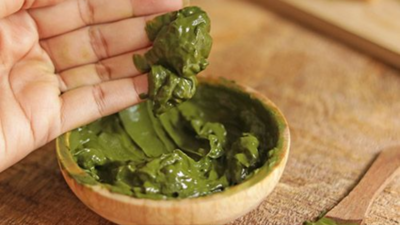
(Image Credits: Pinterest)
What is henna?
Henna comes from the Lawsonia inermis plant, a flowering plant used for dyeing skin, hair, and even nails. It has also been used for centuries to dye fabrics such as wool, leather, and silk. Henna leaves a permanent stain, unlike black or neutral henna, which contains chemicals and is not derived directly from the plant.
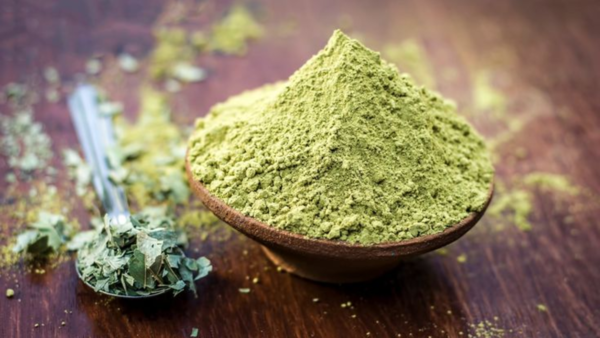
(Image Credits: Pinterest)
If henna is not used correctly based on your hair type and texture, it can dry out both your scalp and hair strands. This leads to breakage and hair fall. People with sensitive or delicate scalps should avoid leaving henna on for too long. Prolonged exposure can cause hair to break when rinsed, leading to further hair fall.
Drying out of hair
One of the biggest downsides of henna is that it can dry out hair. To prevent this, it's essential to add moisturizing ingredients such as aloe vera powder, rose water, or other natural moisturizers to the henna mixture. Without these additions, your hair will feel dry and brittle once it’s fully dried out after the wash.
Henna can damage your hair
Henna is a permanent dye, and because it’s so difficult to remove, it can damage hair when combined with other chemicals or bleaching agents. The use of chemical products after henna can weaken hair strands, leading to increased hair fall and, in rare cases, balding. If you choose to dye your hair after using henna, opt for products free from metallic salts and additives to avoid unwanted side effects.
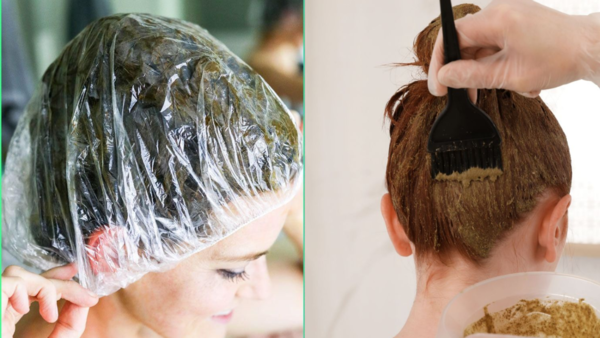
(Image Credits: Pinterest)
Bottom line
While henna offers both benefits and drawbacks, with the right care and usage, it can be incorporated into a hair care routine. However, it’s important to remember that henna is permanent, and improper use can result in difficult-to-remove color. Always be cautious and ensure proper application to avoid long-term hair issues.

About the Author
TOI Lifestyle DeskEnd of Article
FOLLOW US ON SOCIAL MEDIA




Photostories
Tired of too many ads?go ad free now
Featured In Lifestyle

Tired of too many ads?go ad free now
Hot on the Web
Kiara Advani Pregnancy NewsRamadan 2025 DateKing CobraIbuprofen GuideRamadan 2025 WishesRamadan 2025Tanmay BhatRamadan Wishes 2025GovindaSunita AhujaVitamin D FoodsRanveer AllahbadiaSandeep Reddy VangaOptical IllusionGinger Turmeric Tea BenefitsCloves BenefitsUttam MohantyMere Husband Ki Biwi CollectionChhaava Box Office CollectionChhaava Movie ReviewAshwagandha for Hair GrowthChum DarangUnique AnimalsBig Cat Safari DestinationChickpea Curry RecipeSadhguru Diet HabitsSummer GardeningAnimal SpeedstersAnimals for Good LuckUS National Parks
Trending Topics
Latest MoviesBollywood MoviesHollywood MoviesTamil Movies 2024Telugu Movies 2024Malayalam Movies 2024Kannada Movies 2024Marathi Movies 2024Bengali Movies 2024Top Rated Movies 2024Best Hindi MoviesBest English MoviesBest Telugu MoviesBest Tamil MoviesBest Malayalam MoviesBest Kannada MoviesBest Bengali MoviesUpcoming Hindi MoviesBest Movies Of All TimeBest Hindi Movies of All Time
Popular Categories
Latest News
This February was India's warmest in 125 years of record-keepingNBA Offseason Rumors: Golden State Warriors eyeing possible reunion with $195 million Phoenix Suns superstar to bolster championship odds with Jimmy Butler and Stephen CurryNo suicide reports from 3,522 universities, colleges: UGC'Miracle of restraint': Russia on Trump, Vance 'holding back from hitting Zelenskyy' after Oval Office blow upNBA Offseason Rumors: Los Angeles Lakers might be interested in 6-foot-11 Brooklyn Nets star to support Luka Doncic and LeBron James in their Championship pushLittle-known law helps firm dodge legal feesSC relief for Isha yoga centre on Tamil Nadu government's noticePokemon GO Tour Unova 2025: Exploring shiny odds of all featured Pokemon during the global eventStalin attacks Centre on Hindi, delimitationJeffrey Epstein's island: Where it is, who owns it, and what happened thereCongress warns netas from Kerala against speaking out of turn“A father figure”: Travis Hunter acknowledges the pivotal role Deion Sanders played in his development, terming him a guiding lightTravis Kelce steps forward to protect his beau Taylor Swift amid Super Bowl fallout and public scrutinyChamoli Avalanche: Uttarakhand CM announces temporary control room in JoshimathWill Luka Doncic play tonight against the LA Clippers? Latest update on the Los Angeles Lakers star's injury report (February 28, 2025)Uttarakhand avalanche: Mana villagers saved by ancient wisdom & annual migrationBaby born with ear on the cheek due to a rare conditionUttarakhand avalanche: Not the 1st time avalanche hit forces in this high-risk area