
Is Ozempic causing hair fall? The side effect no one talks about

Ozempic hair fall: Why is everyone suddenly talking about it?
If you’ve been anywhere near health or beauty conversations lately, you’ve probably heard of Ozempic - the diabetes medication that somehow became the internet’s most talked-about weight loss trend. But along with the dramatic transformations and “before-after” photos, there’s a quieter concern people are starting to notice: hair fall.
Search “Ozempic side effects” and you’ll see it pop up again and again - people wondering why their hair suddenly feels thinner, weaker, or sheds more than usual. So what’s actually going on? Is Ozempic causing hair loss, or is something else at play?
Let’s break it down in a way that actually makes sense.

First, what exactly is Ozempic?
Ozempic is a prescription drug originally meant to treat type 2 diabetes. It contains semaglutide, which helps control blood sugar levels. But one of its “side effects” turned out to be weight loss - often quite rapid - which is why it quickly became popular beyond just diabetes care.
It works by slowing down digestion, reducing appetite, and helping you feel full for longer. Sounds great, right? But here’s the thing - your body doesn’t always love sudden, dramatic changes.
So, is Ozempic actually causing hair fall?
Short answer: not directly.
There’s no strong scientific evidence that Ozempic itself damages hair follicles or causes hair to fall out. But, and this is important - many people using it are losing weight quickly. And that’s where the real connection lies.
Hair loss linked to Ozempic is usually a form of temporary shedding called Telogen Effluvium.
It sounds complicated, but the idea is simple.
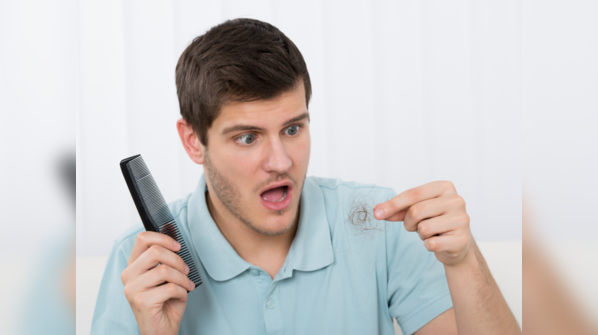
What is Telogen Effluvium (and why it matters here)?
Your hair goes through a natural cycle - growth, rest, and shedding. Normally, most of your hair is in the “growth” phase. But when your body goes through stress - physical or emotional - it can push more hair into the “shedding” phase all at once.
That’s telogen effluvium.
And guess what counts as a major physical stressor? Rapid weight loss.
So when someone starts Ozempic and drops weight quickly, the body can go into a bit of shock mode. It’s like, “Wait, what’s happening? Are we okay?” And one of the ways it reacts is by shedding more hair than usual.

Why rapid weight loss affects your hair
Here’s where things get interesting.
When you lose weight fast—whether it’s through medication, extreme dieting, or illness—your body prioritises survival over everything else. That means it focuses on essential functions like your heart, brain, and organs.
Hair? Not exactly a priority.
On top of that, rapid weight loss often comes with nutritional gaps. You might not be eating enough protein, iron, or essential vitamins—all of which are crucial for healthy hair.
So it’s not just the weight loss—it’s how the weight is lost.
(Image Credits: iStock)

Signs you might be experiencing Ozempic-related hair fall
Noticing more strands than usual? Here are some common signs:
Hair coming out in clumps while washing or brushing
A noticeable increase in shedding (especially after 2–3 months of starting Ozempic)
Thinner ponytail or reduced volume
More visible scalp than before
The timing is key here. Telogen effluvium usually kicks in a few months after the trigger (in this case, weight loss), which is why people don’t always connect the dots immediately.
The good news: It’s usually temporary
Before you panic - this kind of hair loss is typically not permanent.
Once your body adjusts to the changes and things stabilise, the hair cycle resets. New hair starts growing again, and the shedding slows down.
But yes, it can take time. We’re talking a few months, sometimes even longer depending on how your body responds.

Can you prevent it? (Or at least reduce it?)
You might not be able to completely avoid it, but you can support your body so the impact is less intense.
Here’s what actually helps:
1. Don’t crash your diet
Even if Ozempic is suppressing your appetite, make sure you’re still eating enough. Starving your body will only make things worse.
2. Focus on protein
Hair is made of protein (keratin), so if your intake drops, your hair suffers. Think eggs, lentils, paneer, nuts—simple stuff.
3. Check your nutrients
Iron, zinc, biotin, vitamin D - all play a role in hair health. If you’re deficient, it shows up in your hair pretty quickly.
4. Be gentle with your hair
Avoid tight hairstyles, excessive heat styling, or harsh treatments while your hair is already vulnerable.
5. Talk to a doctor
If the shedding feels extreme, it’s always a good idea to check in with a professional. Sometimes, supplements or adjustments can help.
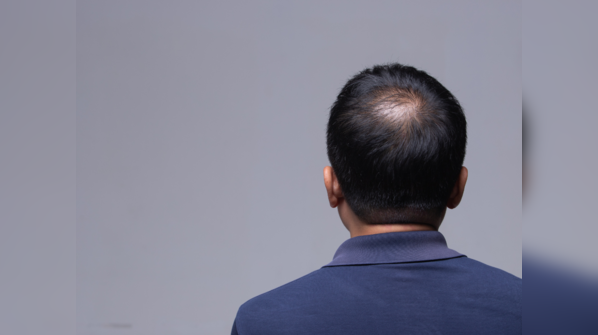
Should you stop Ozempic because of hair fall?
This is where things get personal.
For some people, the benefits of Ozempic - like better blood sugar control or significant weight loss - outweigh the temporary hair shedding. For others, the emotional impact of hair loss can be a deal-breaker.
There’s no one-size-fits-all answer here.
But one thing is clear: don’t stop or change your medication without talking to your doctor first.
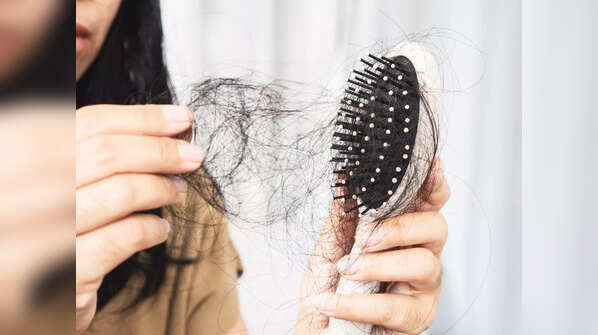
The bigger picture
What’s happening with Ozempic hair fall is actually part of a larger conversation we don’t talk about enough.
Quick transformations - whether it’s weight loss, skincare, or anything else - often come with hidden side effects. Social media loves the results, but rarely shows the in-between.
Hair fall is one of those “in-between” realities.
It doesn’t mean something is wrong. It usually just means your body is adjusting.
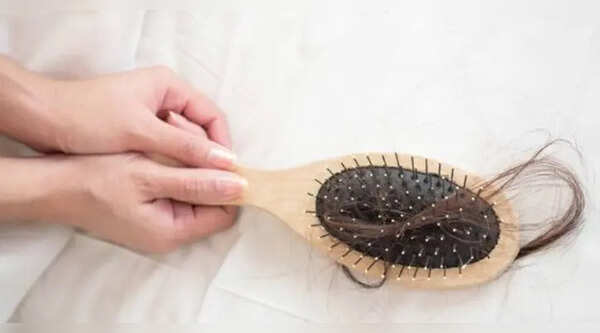
Body's reaction to change
Ozempic hair fall sounds scary, but once you understand what’s behind it, it’s a lot less mysterious.
It’s not the drug attacking your hair - it’s your body reacting to rapid change. Think of it as a temporary reset rather than permanent damage.
So if you’re going through it, take a breath. Support your body, give it time, and don’t fall for panic-driven advice online.
Because at the end of the day, real wellness isn’t just about quick results - it’s about how your body feels and functions through the process.
Featured In lifestyle

