
From lemon to baking soda: Stop using these 5 kitchen ingredients on your skin
The Dark Side of DIY Skincare
It’s a strange paradox. We demand rigorous scientific backing for the medications we take, but the moment a 15-second reel tells us to smear raw pantry staples all over our faces, we happily oblige.
The internet has successfully convinced us that "chemical" is a dirty word and "natural" is a universal hall pass for safety. But here is the uncomfortable truth your favorite lifestyle influencer probably isn't mentioning: natural doesn't mean safe. In fact, your late-night DIY skincare routine might be the exact reason your skin barrier is currently crying for help.
Let's look at the science behind the trends—and why you need to stop treating your face like a mixing bowl.

The Lemon Squeeze (And The Acid Burn)
Let’s start with the classic: rubbing raw lemon juice on dark spots for a quick "brightening" fix. Here's the reality check. Your skin thrives in a slightly acidic environment, sitting comfortably around a pH of 5. Lemons? They sit at a harsh, battery-acid-adjacent pH of 2. Slathering it on doesn't brighten your complexion; it induces a localized chemical burn.
Worse, lemons contain compounds called psoralens. Step into the Delhi sun after a DIY lemon mask, and you're flirting with hytophotodermatitis—a brutal reaction that causes blistering and severe inflammation. On melanin-rich Indian skin tones, this "glow hack" leaves stubborn dark marks that take months to fade.
(Image Credits: Pinterest)
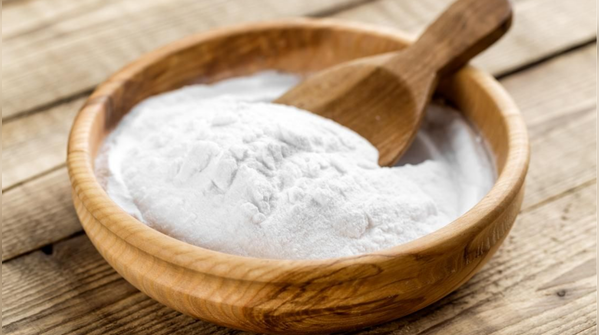
Baking Soda: The Barrier Breaker
If lemon is the acid burn, baking soda is the alkaline nightmare. Sitting at a pH of 9, it’s aggressively basic. Forums tout it as a miracle exfoliator, but using it actively destroys your skin’s acid mantle.
When you forcefully raise your skin's pH, you strip away the essential lipids your face needs to defend itself. What happens next? Your face becomes a five-star resort for acne-causing bacteria. You aren't drying out a pimple; you are destroying the structural integrity of the surrounding tissue, inviting chronic dryness and a rebound wave of oil production.
(Image Credits: Pinterest)
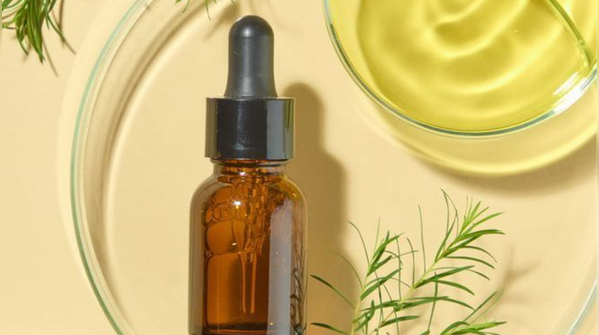
The "All-Natural" Poison Ivy Effect
A drop of neat tea tree oil on a spot. A splash of lavender water. What could go wrong? A lot, actually. Essential oils are highly volatile, hyper-concentrated plant chemicals. Because they smell like a luxury spa, we assume we can pour them on generously. Dermatologists are exhausted from treating Allergic Contact Dermatitis caused by this exact habit. Compounds like linalool can trigger severe, compounding sensitization. You might get away with it once or twice.
But eventually, your immune system launches an all-out war, leaving you with a weeping, itchy rash. Remember: poison ivy is completely natural, too.
(Image Credits: Pinterest)
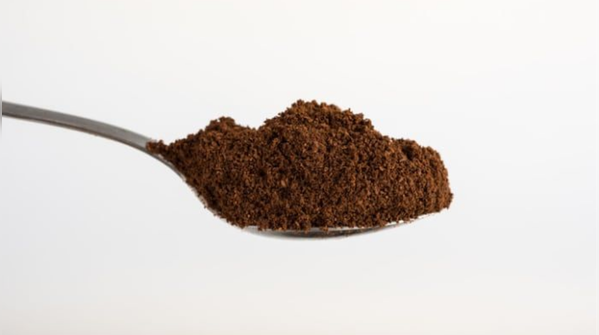
The Micro-Tear Massacre
We need to talk about the trauma of physical exfoliants—specifically, kitchen sugar and coffee grounds. The skin on your face is incredibly delicate and requires controlled exfoliation (which is why dermatologists prefer gentle acids). Under a microscope, sugar crystals and coffee grounds look like jagged little glass shards. Vigorously scrubbing them into your pores causes microscopic tears across your epidermis. This isn't exfoliating. It's trauma. Your skin rapidly bleeds moisture, leaving it severely dehydrated and vulnerable to premature aging. Leave the granular scrubs for your elbows.
(Image Credits: Pinterest)
Your Face Is Not a Petri Dish
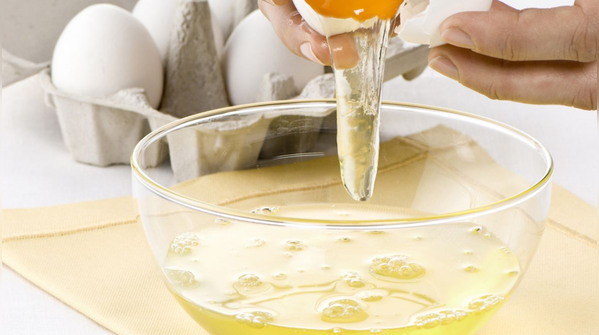
Finally, there's the danger of "fresh" concoctions. Egg whites to tighten pores, or blended oats left in a cute glass jar. Commercial skincare uses broad-spectrum preservatives for a very good reason—to stop microbes from throwing a party in the formula. Raw egg whites carry a genuine risk of topical Salmonella.
And that oatmeal-milk paste sitting on your vanity? Without preservatives, it turns into a hazardous biological experiment in less than 48 hours. Applying spoiled, bacteria-laden food to a compromised skin barrier is a fast track to fungal infections and cystic breakouts. The bottom line? Your kitchen pantry is for cooking, not chemistry. The next time a viral video suggests making a salad on your face, save the ingredients. Eat them instead.(Image Credits: Pinterest)
Featured In lifestyle

