
Coconut oil vs almond oil: Which is better for a winter scalp?
Holy grail in the beauty business
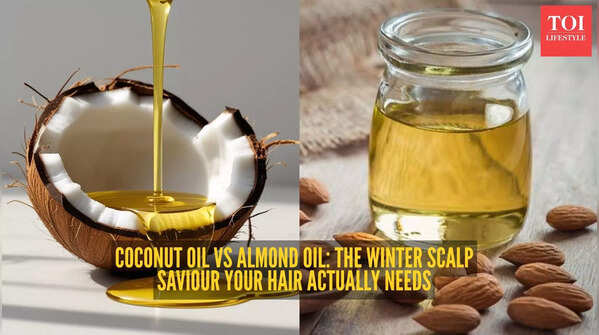
If there’s one haircare debate that has been going on for ages in the beauty industry, it’s the one between almond oil and coconut oil for hair. These vanity staples are a must-have and are loved for their ability to transform your locks into something more. From treating dry and dull hair to achieving glossy and healthy locks, both of these oils have stood the test of time for good reason. If you’re wondering which is better, it depends on your hair type, concerns, and more. Let’s dive into the world of almond and coconut oil and learn which is at least better for winter care.
What is coconut oil?
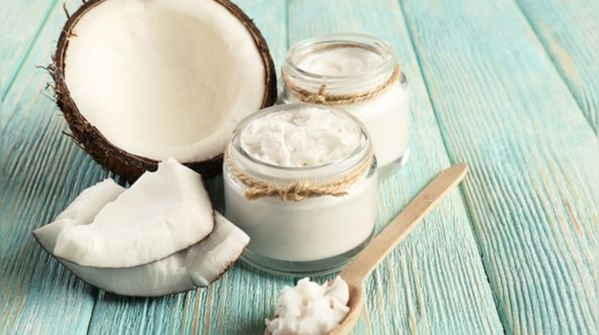
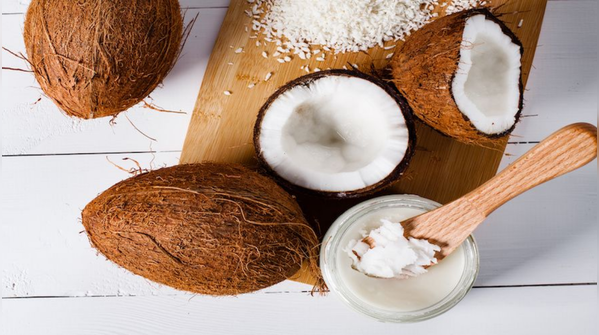
Coconut oil does not require an introduction; this timeless classic hair oil is extracted from mature coconuts and is rich in fatty acids, antioxidants, and lauric acid. It is usually a heavier oil that penetrates deep inside the hair shaft and repairs damage from protein loss. Because of its rich texture and high moisture retention, coconut oil usually works like magic on dry and frizzy hair. It tames brittleness and promotes hair growth by adding a silky shine that is difficult to resist.
(Image Credits: Pinterest)
What is almond oil?
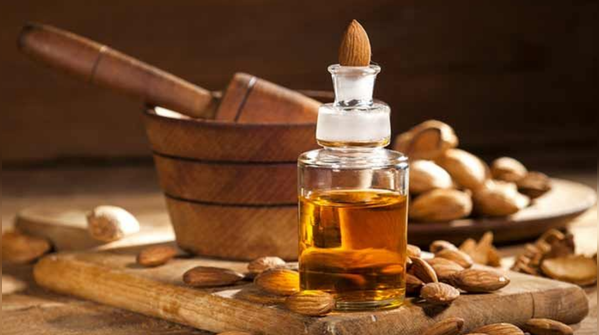
Almond oil is usually extracted from nutrient-rich almonds and is extremely lightweight. Brimming with vitamin E, magnesium, omega-3 fatty acids, and biotin, it strengthens the hair from root to tip, reduces breakage, and promotes shine. Known for its ability to soften hair and improve overall elasticity, it is perfect for frizz-prone locks and damaged strands. But if you wish for gentle moisturisation and full-scale care in winter, sweet almond oil should be your choice.
(Image Credits: Pinterest)
Why apply almond oil in winter?
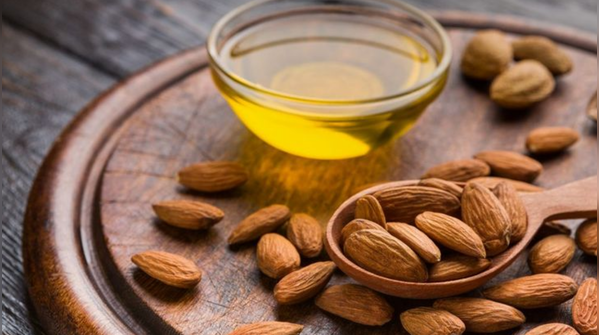
Almond oil smoothens the hair cuticle and gives your strands a soft, glossy finish. Its lightweight texture tames flyaways without making hair greasy in winter. Brimming with biotin and magnesium, it nourishes the scalp and strengthens hair follicles. Rich in vitamin E, it soothes irritation and dryness. Almond oil’s emollient properties make hair smoother and more manageable while also reducing breakage.
(Image Credits: Pinterest)
Why apply coconut oil in winter?
Coconut oil’s unique structure helps bind proteins within the locks, keeping the strands strong and resilient. It penetrates deep into the hair shaft to hydrate from within. During the winter season, regular use of coconut oil for hair growth will stimulate the scalp and improve blood circulation. Its antifungal properties keep scalp irritation under control, leaving locks looking silky and healthy after every use. It also creates a natural barrier against pollution and heat styling.
(Image Credits: Pinterest)
Which is better for your locks?
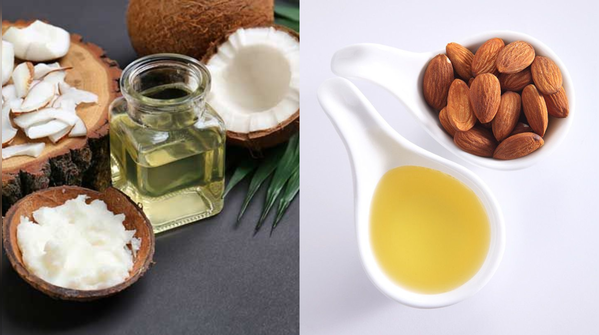
It mainly depends on your hair type. But if you have fine locks, then almond oil in winter should be your pick. But, if you have thicker and frizzy strands, then coconut oil should be your preference during the winter season. Consistency is key, and try to warm the oil up before application.
(Image Credits: Pinterest)
Featured In lifestyle

MORE FROM ETIMES
life & style