Trending
Amla Oil vs Rosemary Oil: Which is the best hair oil for winter hair growth?
Amla and rosemary oils offer distinct benefits for winter hair care. Amla oil, rich in vitamin C, nourishes dry scalps and strengthens roots, preventing hair fall and premature graying. Rosemary oil stimulates circulation, encouraging new growth and combating thinning hair. Choosing the right oil depends on individual hair needs, with the possibility of combining both for optimal results.

Winter can be harsh on hair, leading to dryness, breakage, and sluggish growth. A nourishing hair oil is often the go-to remedy for combating winter woes, and two popular choices are amla oil and rosemary oil. Both are known for their hair-strengthening properties, but which is better for promoting hair growth during the colder months? Let’s break down their benefits, differences, and how to choose the right one for your hair.
Amla Oil: The traditional elixir
Amla oil, derived from the Indian gooseberry, has been a staple in Ayurvedic hair care for centuries. It is rich in vitamin C, antioxidants, and essential fatty acids that nourish the scalp and strengthen hair.
Scalp nourishment: Amla oil deeply moisturises the scalp, making it an excellent choice for combating winter dryness and flakiness.
Strengthens hair roots: The high vitamin C and antioxidant content boost collagen production, fortifying hair follicles and promoting growth.
Reduces hair fall: Its anti-inflammatory and antimicrobial properties help keep the scalp healthy, reducing hair fall caused by infections or dandruff.
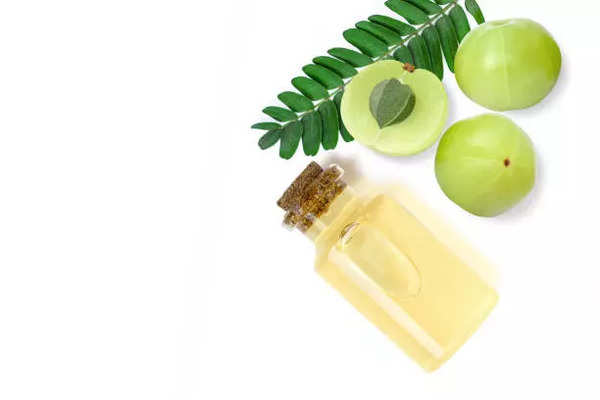
Prevents premature greying: Amla is often praised for preserving natural hair colour and delaying greying.
Best for:
- People with dry or flaky scalps.
- Those looking to prevent hair fall and premature greying.
- Individuals seeking an all-natural remedy for hair strengthening and hydration.
Rosemary Oil: The stimulating herbal remedy
Rosemary oil is an essential oil extracted from the leaves of the rosemary plant. It is lauded for its ability to improve blood circulation and stimulate hair follicles.
Benefits of Rosemary Oil for hair growth
Boosts circulation: Rosemary oil increases blood flow to the scalp, ensuring that hair follicles receive essential nutrients for growth.
Encourages new hair growth: Studies suggest rosemary oil may be as effective as minoxidil in treating androgenetic alopecia (hair thinning or baldness).
Fights dandruff: Its antimicrobial and anti-inflammatory properties help prevent dandruff and soothe irritated scalps.
Improves hair texture: Rosemary oil enhances hair thickness and shine, giving a healthier appearance.
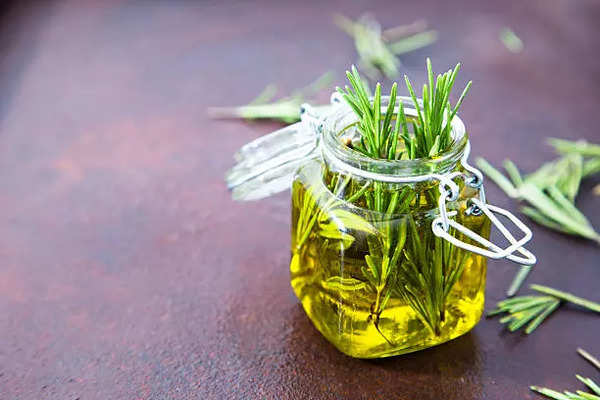
Best for:
- Individuals experiencing hair thinning or balding.
- Those with oily scalps prone to dandruff.
- People looking for a natural alternative to chemical hair growth treatments.
See more: Hair fall: How to reduce losing hair with simple tips and remedies
Differences between Amla Oil and Rosemary Oil
Source and composition: Amla oil is a carrier oil made from amla fruit, rich in vitamin C and antioxidants. Rosemary oil is an essential oil, potent and highly concentrated, requiring dilution before application.
Moisturising vs stimulating: Amla oil excels at providing hydration and nourishment, making it ideal for dry, brittle hair. Rosemary oil focuses on stimulating blood flow and promoting follicle activity, which is better for hair regrowth.
Application method: Amla oil can be applied directly to the scalp and hair, while rosemary oil should be mixed with a carrier oil like coconut or jojoba oil to prevent irritation.
Hair concerns: Amla oil is more suitable for dry, flaky scalps and premature greying, whereas rosemary oil is perfect for combating thinning hair and boosting volume.
How to use these oils
Amla Oil: Warm the oil slightly and massage it into your scalp. Leave it on for at least an hour or overnight before washing it off with a mild shampoo. Use 2–3 times a week for best results.
Rosemary Oil: Mix a few drops of rosemary oil with a carrier oil and massage it onto your scalp. Leave it for 30 minutes before rinsing. Alternatively, add a few drops to your shampoo or conditioner.
Which is better for winter hair growth?
The choice between amla oil and rosemary oil depends on your hair type and concerns:
- For dry, brittle hair: Amla oil is better for winter as it provides deep hydration and tackles scalp dryness.
- For hair thinning: Rosemary oil is ideal for stimulating hair follicles and promoting regrowth.
- For overall hair health: Both oils complement each other and can be used in combination for maximum benefits.
Quick winter hair care tips that will keep your hair healthy and shiny
Both amla oil and rosemary oil have proven benefits for hair growth, particularly during the winter months when hair tends to need extra care. Amla oil is a nourishing solution for dryness and strengthening, while rosemary oil excels in stimulating growth and improving texture. To reap the most benefits, consider alternating between the two based on your specific hair needs.

About the Author
TOI Lifestyle DeskEnd of Article
FOLLOW US ON SOCIAL MEDIA







Photostories
Tired of too many ads?go ad free now
lifestyle videos
Featured In Lifestyle

Tired of too many ads?go ad free now
MORE FROM ETIMES
life & stylePopular Categories
Trending in Entertainment
Latest MoviesBollywood MoviesHollywood MoviesTamil Movies 2024Telugu Movies 2024Malayalam Movies 2024Kannada Movies 2024Marathi Movies 2024Bengali Movies 2024Top Rated Movies 2024Best Hindi MoviesBest English MoviesBest Telugu MoviesBest Tamil MoviesBest Malayalam MoviesBest Kannada MoviesBest Bengali MoviesUpcoming Hindi MoviesBest Movies Of All TimeBest Hindi Movies of All Time
Trending in Etimes
Trending in TV
Trending in Lifestyle
Trending in Regional
Movie Reviews
Pushpa 2: The Rule ReviewAgni ReviewJaaiye Aap Kahan Jaayenge ReviewSikandar Ka Muqaddar ReviewA Nonsense Christmas With Sabrina Carpenter ReviewEmilia Perez ReviewMary ReviewSolo Leveling: ReAwakening ReviewMoana 2 ReviewDelhi Bus ReviewJahankilla ReviewJeanne du Barry ReviewParis Christmas Waltz ReviewBoy Kills World Review
Upcoming Hindi Movies
Latest News
Prem Sagar reveals how Raj Kapoor's father Prithviraj Kapoor helped Ramanand Sagar: 'Raj Kapoor was moved to tears after Papaji narrated the story of Barsaat' - ExclusiveWhat Christmas lights can do to your sleep cycle?Sharmila Tagore reveals Shatrughan Sinha was 'notoriously' late during the shoot of 'Dostana': 'He is biologically incapable of being on time'Will Donald Trump Jr and Kimberly Guilfoyle now sell their $14 million Florida house?Kareena Kapoor Khan, Karisma Kapoor and Amrita Arora join Malaika Arora for a fun-filled night at her new restaurantBigg Boss 18: Eisha Singh changes Avinash Mishra’s ‘Single’ status to ‘With Eisha’ in the nominations taskMyanmar's war has forced doctors, teachers and nurses into prostitutionLiv Morgan and Rhea Ripley Go Head-to-Head on X Before WWE RAW“‘I didn’t even know how to get into a 3-point stance’: Gable Steveson Reflects on His Short Bills Career”Tory peer faces suspension for 'Lord Poppadom' jibeJagmeet Singh calls for Justin Trudeau's resignation after Freeland's exit: 'He has to go'12-year-old girl in UK booked for killing 80-year-old Indian-origin manTrump: Deal needed to end war, will talk to Putin and ZelenskyyAkshay Kumar's funny reaction to reporter about his eye injury on the set of 'Housefull 5' goes viral: 'I can see you'Bangladesh to hold elections in late 2025 or early 2026: Muhammad YunusVijay Sethupathi gets annoyed on being asked about Thalapathy Vijay's 'The GOAT' and Suriya's 'Kanguva' failure: 'Why should I talk about them?'Madhuri Dixit rents her office space in Mumbai for Rs 3 lakh per month: ReportSonakshi Sinha slams Mukesh Khanna for his remarks on her father Shatrughan Sinha and her upbringing: 'The next time you decide to comment on the values...'
Other Group Sites -
ETimes is an Entertainment, TV & Lifestyle industrys promotional website and carries advertorials and native advertising.