Trending
Amla Oil vs Coconut Oil: Which is better for hair?
Natural oils like amla oil and coconut oil are popular in traditional Indian hair care for their distinct benefits. Amla oil is rich in antioxidants and vitamins, promoting hair growth and delaying graying, while coconut oil provides deep conditioning, moisture retention, and protection. Choose based on your specific hair needs.
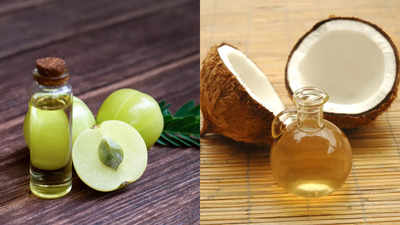
Understanding Amla Oil
Amla oil comes from the fruit from a plant called amla, or Indian gooseberry (Phyllanthus emblica). Due to its content of vitamins, antioxidants, and essential fatty acids, it is nothing but a supercharged agent when it comes to growing your hair. For as long as anyone can recall, amla oil is used in Ayurvedic medicine to reap any given health benefits associated with that oil, such as being an encouragement for your hair to grow and never even get gray before age 50.
Benefits of Amla Oil
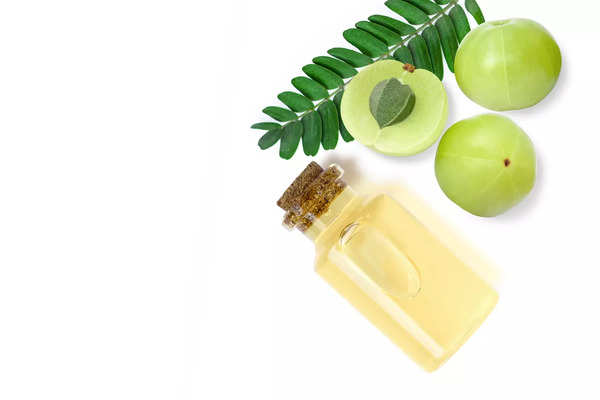
Prevents premature greying: With high levels of vitamin C in amla oil, there is a retention of the natural pigmentation, hence delaying grey hair.
Scalp nutrition: With anti-inflammatory properties, soothing an irritated scalp and helping to eliminate dandruff ensures a healthy scalp.
Adds shine and luster: amla oil helps in bringing out the natural shine in hair that makes them look healthy and vibrant.
Strengthens hair: amla oil strengthens hair strands, thereby less breakage and split ends.
Understanding Coconut Oil
It is extracted from mature coconut meat. Coconut oil is rich in medium chain fatty acids, lauric acid, in a high percentage. This makes coconut oil rich in moisturizing and antimicrobial properties.
Benefits of Coconut Oil
Deep conditioning: Coconut oil deeply penetrates the hair shaft to provide intense moisture and prevent protein loss, making it an excellent natural conditioner for dry and damaged hair.
This is because coconut oil is a good moisturizer and reduces frizz and flyaways to keep hair smooth and easy to handle.
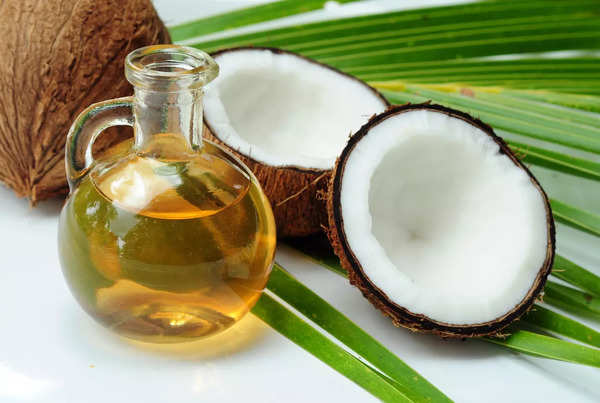
Prevents damage: Coconut oil provides a protective cover around the hair to protect it from environmental damage, heat styling, and UV rays.
Antimicrobial properties: Coconut oil has antibacterial and antifungal properties naturally. This can keep the scalp healthy and free from infections.
It promotes scalp health. Regular application can decrease dandruff and bring about a healthy scalp environment, which is necessary for hair growth.
A comparison: Amla Oil vs Coconut Oil
Nutritional profile
Amla Oil: Rich in vitamin C, antioxidants, and phytonutrients that promote hair health.
Coconut Oil: Contains lauric acid and medium-chain triglycerides that provide deep moisture and protection.
Hair type suitability
Amla Oil: Balanced property makes it fit for every type of hair, which will work out very well on oily hair/scalp.
Coconut Oil: Dry damaged frizzy conditions. Will give deep conditioning and very high moisture retention.
Homecare remedies to treat hairfall
Usage/application
Amla Oil: This oil can be applied as hair oil treatment or mixed with other oils and applied on the scalp and hair and washed after several hours or overnight.
Coconut Oil: It is used for a pre-wash treatment, leave-in conditioner, and styling product. It's really good if massaged to the scalp and hair and left for a few hours or overnight and rinsed afterwards.
Scent and texture
Amla Oil: It has a strong herbal scent that can be offensive to some people. The texture is a little thicker compared to coconut oil.
Coconut Oil: The scent of coconut oil is pleasant and tropical, while the texture is light and easy to melt with warmth.
Potential drawbacks
Amla Oil: Some individuals may have an overpowering reaction to the scent, and too much can make the hair greasy, especially when it has fine hair.
Coconut Oil: Generally is good but excessive usage can result in buildup on the scalp, and for some people with thin hair, it's too heavy.
The bottom line is that you can only choose between the two based on your specific hair type and needs. If you want to boost hair growth, prevent early graying, and make it shiny, amla oil might be a better choice for you. If your main concern is deep conditioning, moisture retention, and protection against damage, coconut oil might be a better choice.
Most will answer yes to using both these oils with your hair. Use the amla oil when you need a scalp treatment or a boost for the hair to grow. Add coconut oil when you just want that deep conditioning good stuff. Experiment and observe what best works for the uniqueness of your hair type. Nature will give it to you if you work with her to have shiny, healthy, beautiful locks!

About the Author
TOI Lifestyle DeskEnd of Article
FOLLOW US ON SOCIAL MEDIA









Photostories
lifestyle videos
Featured In Lifestyle

Popular Categories
Trending in Entertainment
Latest MoviesBollywood MoviesHollywood MoviesTamil Movies 2024Telugu Movies 2024Malayalam Movies 2024Kannada Movies 2024Marathi Movies 2024Bengali Movies 2024Top Rated Movies 2024Best Hindi MoviesBest English MoviesBest Telugu MoviesBest Tamil MoviesBest Malayalam MoviesBest Kannada MoviesBest Bengali MoviesUpcoming Hindi MoviesBest Movies Of All TimeBest Hindi Movies of All Time
Trending in Etimes
Trending in TV
Trending in Lifestyle
Trending in Regional
Movie Reviews
Vijay 69 ReviewSingham Again ReviewBhool Bhulaiyaa 3 ReviewDo Patti ReviewVenom: The Last Dance ReviewThe Miranda Brothers ReviewBandaa Singh Chaudhary ReviewNavras Katha Collage ReviewLook Back ReviewThe Wild Robot ReviewSmile 2 ReviewAayushmati Geeta Matric Pass ReviewJigra ReviewVicky Vidya Ka Woh Wala Video Review
Upcoming Hindi Movies
Upcoming Regional Movies
Latest News
Watch: Suryakumar Yadav, Marco Jansen involved in heated exchange of words during 1st T20ITrump’s toy train for YanksWhat you own Vs collective good: A rethinkRanji Trophy: Saurashtra take first-innings lead against JharkhandThree coaches of Secunderabad-Shalimar Express including parcel van derail in HowrahBanana republics‘After WWII, America thought it could create ‘designer weather’ — few feared a downside’ISL: Bengaluru FC rally to hold NorthEast United FCRanji Trophy: Bihar’s spirited show not enough to eclipse huge MP totalElectile disorderCrop damage on 2 lakh+ hectares in West Bengal between January & SeptemberStories, red or blue. Message: I hate you'Singham Again' box office collection day 8: The Ajay Devgn starrer sees a dip on second Friday, crosses Rs 180 croreMaharashtra polls: In Congress's bastion, BJP banks on loyalists, sheds 'outsider' tagDelhi gangrape case: From Sarai Kale Khan to ITO, many security gapsArjun Erigaisi takes Iran's Amin in stride to take sole lead in Chennai Grandmasters chess meetTCS cuts variable pay of senior staff for July-September quarter: What the company has to sayNo mention of Bangladeshi influx in BJP ally Ajsu’s manifesto
Other Group Sites -
ETimes is an Entertainment, TV & Lifestyle industrys promotional website and carries advertorials and native advertising.