
5 ancient grains you should eat for clear acne-free skin
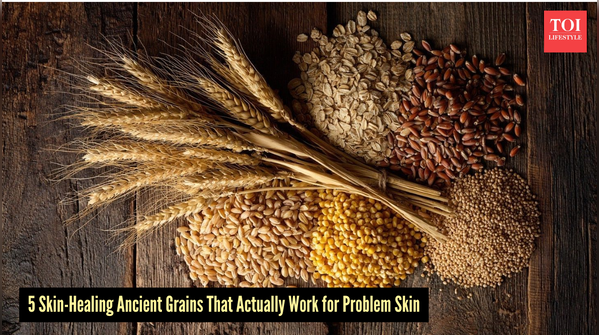
Ancient Super Grains That Can Transform Problem Skin from Within
If you've spent half your paycheck on fancy serums trying to calm down an angry breakout, you aren't alone. We slap on exfoliating acids and layer on thick barrier creams, hoping for a quick miracle. But sometimes, the most potent skincare doesn't come in a dropper bottle. It’s sitting right there in your pantry.
We're talking about millets. Yes, the humble, ancient grains your grandmother probably tried to feed you. They are having a massive moment right now across the wellness space, and for good reason. They aren't just great for weight management or fixing sluggish digestion. When it comes to soothing stubborn skin inflammation—whether that’s a sudden acne flare-up or chronic eczema—switching up your daily grains can actually do wonders.
But here is the catch: not all millets do the exact same thing. Depending on what is triggering your skin, you need to pick the right one.
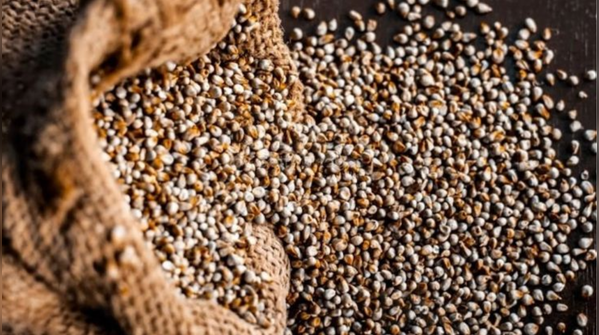
Pearl Millet (Bajra): The Acne Assassin
Got breakouts that look red, angry, and inflamed? You need Bajra. Pearl millet is incredibly rich in zinc. If you know your skincare ingredients, you know zinc is a superstar for regulating sebum. That means it physically controls how much oil your skin pumps out on a daily basis. Plus, it speeds up the wound healing process. Eating Bajra helps calm down those painful cystic spots from the inside out.
(Image Credits: Pinterest)
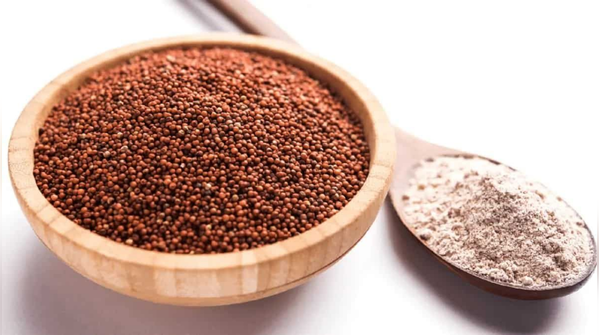
Finger Millet (Ragi): The Ultimate Repair Kit
Ragi is practically a superfood for anyone dealing with chronic inflammatory issues like eczema or psoriasis. Why? It comes down to its massive load of polyphenols and amino acids—specifically methionine and lysine. Think of these compounds as your skin’s internal construction workers. They fight off the oxidative stress that damages healthy cells and actively support fresh collagen production. Over time, this helps heal compromised, broken skin.
(Image Credits: Pinterest)
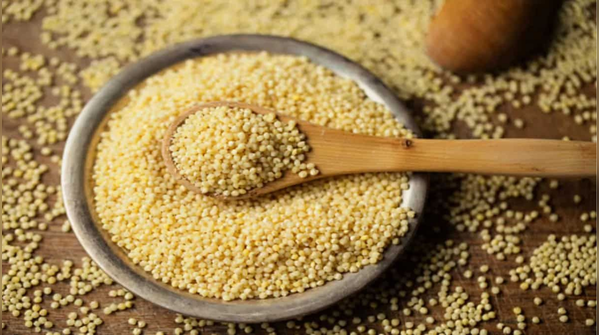
Foxtail Millet: The Shield Against City Life
Living in a polluted, fast-paced city takes a heavy toll on your face. If your skin feels constantly irritated, sensitive, or just looks dull from environmental stress, Foxtail millet is your best bet. It is heavily packed with Vitamin E and niacin (the dietary version of your favorite niacinamide serum). Vitamin E naturally strengthens your skin barrier so daily pollution and UV rays can't wreak as much havoc. Meanwhile, the niacin swoops in to calm the redness and even out your overall tone.
(Image Credits: Pinterest)
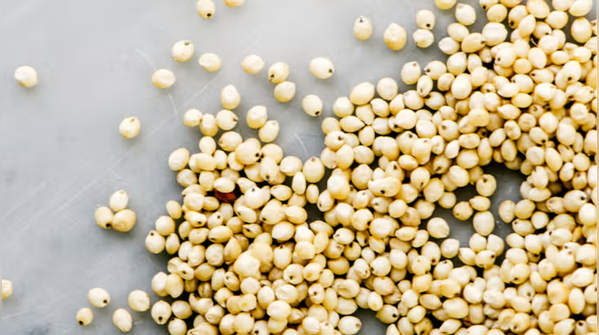
Sorghum (Jowar): The Hydration Hero
Dry skin is essentially a compromised barrier just waiting to become inflamed. Enter Sorghum. Jowar contains silica and crucial B vitamins that are brilliant at helping your skin hold onto its own moisture. When your skin is properly hydrated, its natural barrier is strong. A strong barrier easily keeps external irritants out, stopping the inflammatory response before it even starts.
(Image Credits: Pinterest)
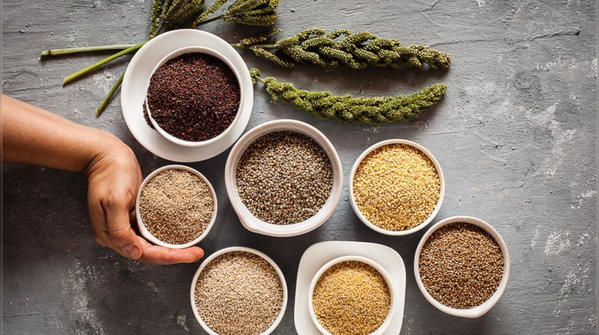
The Big Picture: Why Millets Actually Work
You might be wondering why swapping out regular wheat or white rice makes such a visible difference. It boils down to three core reasons. First, they have a low glycemic index (GI). Millets simply do not spike your blood sugar. High sugar spikes mean rapid insulin rushes, which triggers excess oil production and massive systemic inflammation—a prime recipe for acne.
Second, it’s all about the gut-skin axis. Millets are heavy on dense dietary fiber, which keeps your gut microbiome happy and balanced. A healthy gut flushes out toxins efficiently, rather than pushing that inflammation out through your pores.
Finally, they are naturally gluten-free. For a lot of people with sneaky, underlying gluten sensitivities, eating regular wheat causes a low-grade immune response. That response often shows up as unexplained rashes or stubborn redness on the face. Eating millets sidesteps that entirely.
Skip the overly processed carbs for a bit. Your skin might just thank you.
(Image Credits: Pinterest)
Featured In lifestyle

