
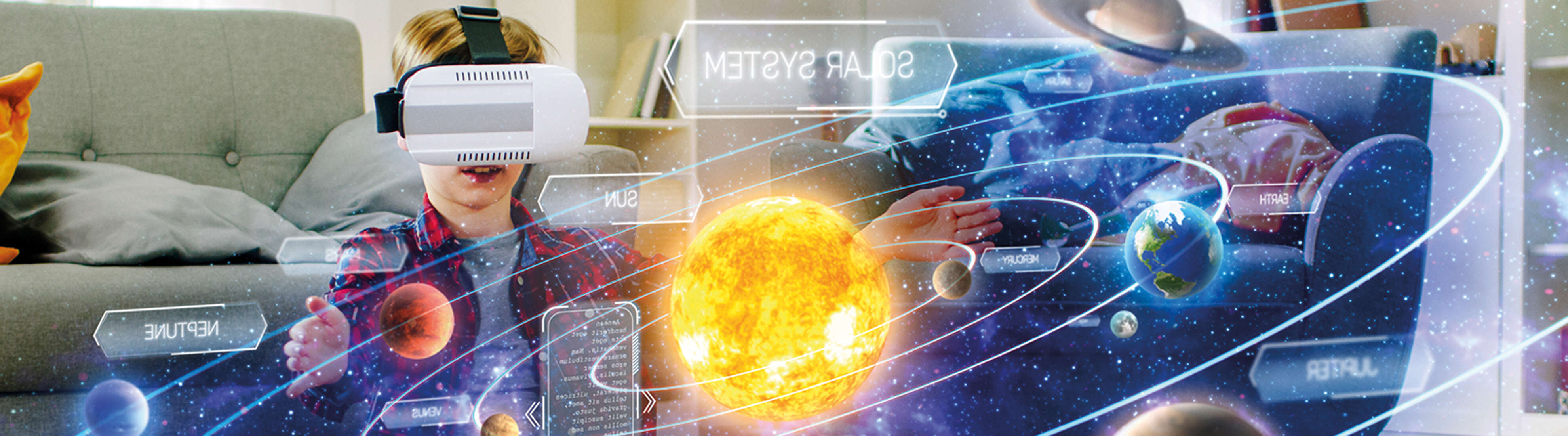

Learn, Engage, Play
Learning and classrooms have transformed radically in the last few decades. In 2020, after the pandemic, education has taken a new dimension with schools shifting from traditional classrooms to virtual classrooms. Gone are the days when parents expressed apprehension over technology and digital gaming. Today, they and their wards are embracing digital game-based learning.
Virtual learning seems to be a game-changer with the brisk progress in digital game-based learning technology. Owing to access to technology, learning has become fun through digital games. This has altered how students learn. While mobile gaming has been a fascination among the youth around the world for years, however, they serve an entirely different cause today.
In 2021, as we read, programs are being developed to assist humans in various ways. Today, there is a gamut of applications and programs that are aiding education worldwide. Following the pandemic and the subsequent lockdowns, one thing that kept many connected and informed was the smartphone. From healthcare to education, shopping to delivering groceries - smartphones came as a saviour. Indeed, in the education sector, smartphones and smart technologies quickly adapted to the change and made waves with their digital classrooms.
Digital game-based learning applications are also acting as an effective medium to enable students and enhance their learning abilities. These applications are subverting the stigma associated with online gaming that has been often associated with just play and no work. Digital gaming applications have evolved over the years.
ALL ABOUT ATTENTION
The definition of gaming is no longer restricted to casual entertainment, they have extended to various learning games that have proven benefits. Most of these applications work on memory retention, word memory, and divided attention.
Each of our actions is driven by goals and we are often bound by endless options and forced to prioritise. This prioritising needs focus and memory. Attention and working memory support the best extraction and retention of information for optimal task performance. Hence, it is one of the first developing cognitive skills. Several studies show that early childhood attention skills correlate with long-term academic performance as well as acute and long-term behavioural issues.
Today, over 136 million children struggle with attention deficit symptoms. However, technology is equipping them with the right tools to improve attentional performance, assess, and detect inattention. It has already been established, through various studies, that playing games can improve cognitive development like greater sensitivity to contrasts, sharp memory, and superior eye-to-hand coordination. However, with the new league of innovators and digital games, the process of learning has been accelerated, making them more accessible and manageable for both children and teachers.
TECH VS TRADITIONS
The new-age digital game-based learning applications are scalable as they assess attentional capabilities and detect difficulties with attention during early childhood. They mostly consist of cognitive tasks that assess the performance of children and offer meticulous reports.
Digital game-based learning has proven to be more effective in improving specific areas like students' mathematical learning than compared to traditional methods of learning. Since most games are interactive and rooted in math, young students have embraced this tech-enabled gaming.
According to experts, students are getting more engaged with the contents offered on these digital games. The dynamic content strike a balance between classroom lessons and virtual educational gameplay. Another set of experts believe that classrooms that use both traditional lessons and digital game-based learning have the most positive effect on students. Game-based learning offers affective, behavioural, cognitive, and social engagements to students.
INCREASING SCREEN TIME
According to the Ericsson Mobility Report 2020, the daily average screen time of Indians have been increased by an additional two hours. This shift took place due to work-from-home, virtual classrooms, entertainment and streaming services that witnessed a surge owing to lockdowns.
The screen usage on smartphones increased to as much as five hours, and when connected through broadband (Wi-Fi), the screen usage moved up from 2.5 hours to 4.5 hours. Last year, India witnessed a near 20 per cent surge in overall online consumption. As many as 77 per cent of parents admitted that information and communications technology helped them continue with the education of their children at home.
The recent trends in technology make game-based learning the best alternative to traditional learning methods.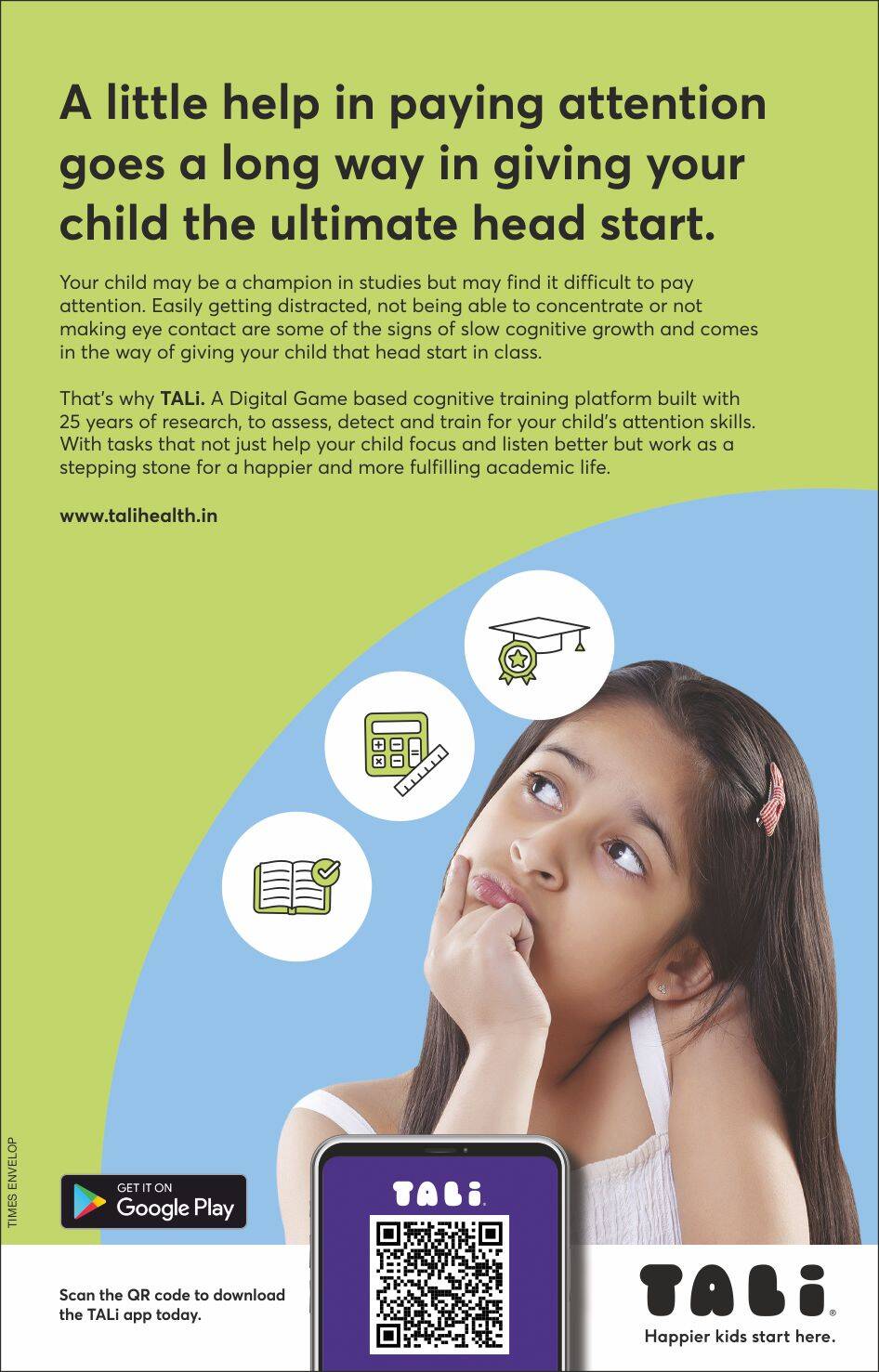
The above article has been contributed by Bijin Jose from The Times of India.
Virtual learning seems to be a game-changer with the brisk progress in digital game-based learning technology. Owing to access to technology, learning has become fun through digital games. This has altered how students learn. While mobile gaming has been a fascination among the youth around the world for years, however, they serve an entirely different cause today.
In 2021, as we read, programs are being developed to assist humans in various ways. Today, there is a gamut of applications and programs that are aiding education worldwide. Following the pandemic and the subsequent lockdowns, one thing that kept many connected and informed was the smartphone. From healthcare to education, shopping to delivering groceries - smartphones came as a saviour. Indeed, in the education sector, smartphones and smart technologies quickly adapted to the change and made waves with their digital classrooms.
Digital game-based learning applications are also acting as an effective medium to enable students and enhance their learning abilities. These applications are subverting the stigma associated with online gaming that has been often associated with just play and no work. Digital gaming applications have evolved over the years.
ALL ABOUT ATTENTION
The definition of gaming is no longer restricted to casual entertainment, they have extended to various learning games that have proven benefits. Most of these applications work on memory retention, word memory, and divided attention.
Each of our actions is driven by goals and we are often bound by endless options and forced to prioritise. This prioritising needs focus and memory. Attention and working memory support the best extraction and retention of information for optimal task performance. Hence, it is one of the first developing cognitive skills. Several studies show that early childhood attention skills correlate with long-term academic performance as well as acute and long-term behavioural issues.
Today, over 136 million children struggle with attention deficit symptoms. However, technology is equipping them with the right tools to improve attentional performance, assess, and detect inattention. It has already been established, through various studies, that playing games can improve cognitive development like greater sensitivity to contrasts, sharp memory, and superior eye-to-hand coordination. However, with the new league of innovators and digital games, the process of learning has been accelerated, making them more accessible and manageable for both children and teachers.
TECH VS TRADITIONS
The new-age digital game-based learning applications are scalable as they assess attentional capabilities and detect difficulties with attention during early childhood. They mostly consist of cognitive tasks that assess the performance of children and offer meticulous reports.
Digital game-based learning has proven to be more effective in improving specific areas like students' mathematical learning than compared to traditional methods of learning. Since most games are interactive and rooted in math, young students have embraced this tech-enabled gaming.
According to experts, students are getting more engaged with the contents offered on these digital games. The dynamic content strike a balance between classroom lessons and virtual educational gameplay. Another set of experts believe that classrooms that use both traditional lessons and digital game-based learning have the most positive effect on students. Game-based learning offers affective, behavioural, cognitive, and social engagements to students.
INCREASING SCREEN TIME
According to the Ericsson Mobility Report 2020, the daily average screen time of Indians have been increased by an additional two hours. This shift took place due to work-from-home, virtual classrooms, entertainment and streaming services that witnessed a surge owing to lockdowns.
The screen usage on smartphones increased to as much as five hours, and when connected through broadband (Wi-Fi), the screen usage moved up from 2.5 hours to 4.5 hours. Last year, India witnessed a near 20 per cent surge in overall online consumption. As many as 77 per cent of parents admitted that information and communications technology helped them continue with the education of their children at home.
The recent trends in technology make game-based learning the best alternative to traditional learning methods.
The above article has been contributed by Bijin Jose from The Times of India.
Related Articles
View All Enhancing AttentionEducational apps are not only fun and engaging, but also are improving attention and the overall academic performance of students
- Improve Learning Experience with NeuroplasticityThough attention capacity and high concentration play key roles in enriching a child’s learning experience, often, a child’s ability to focus and retain information is overlooked. Though not a learning disability, an attention disorder can hinder a child from learning. Enter: Neuroplasticity—a solution to improve and develop a child’s cognitive potential
- Social and Emotional Education in Schools (SEL)Social and Emotional Learning (SEL) is the development and refinement of skills that enable us to build resilience and effectively manage our emotions, behaviours and relationships with others in the world around us.



Download TALi today