
- News
- India News
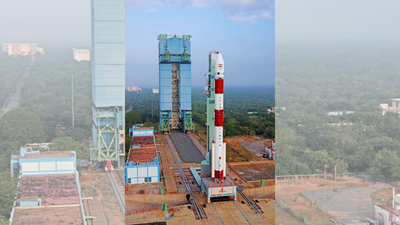
- Year’s 1st space mission on January 12 to launch Military satellite, test on-orbit refuelling & more; 1 satellite for Nepal too
Trending
Year’s 1st space mission on January 12 to launch Military satellite, test on-orbit refuelling & more; 1 satellite for Nepal too
13 More Satellites

About the AuthorChethan Kumar
End of Article
Follow Us On Social Media
Hot Picks
Top Trending
Tired of too many ads?go ad free now
Trending Stories
In India
Entire Website
- 'Naya Hindustan': The 'Angry Young Man' is back, but has his rage changed sides?
- ED, I-PAC face-off at Cal HC: Central agency flags ‘obstruction’ by Mamata; committee questions raid legitimacy
- Anuradha Roy On Gardens Growing From Grief
- Evening news wrap: ED vs Mamata Banerjee in Bengal; Twelve suspended Maharashtra Congress corporators join BJP, and more
- From Operation Sindoor to Venezuela: How Chinese weapons, radars keep failing — Explained
- 'Peaceful till CM came': ED's big charge against Mamata; raids linked to coal case trigger row
- 'Pak citizen': FIR against UP woman for hiding nationality, securing govt job; dismissed from service
- Dhruva’s Polar Access-1 to enable 10 missions from across India, other countries on Jan 12
- Cash discovery row: SC reserves order on Justice Yashwant Varma’s plea; denies time extension to reply
- Modi likely to launch free medical care for road crash victims scheme this month
- Forever layoff: A rising trend turning workplaces into waiting rooms
- Delhi’s private schools can’t shake off fee committees: HC extends deadlines, autonomy under challenge
- KVS, NVS admit card and exam schedule released: Check important details here
- Khloe Kardashian says “no more NBA” while reflecting on closure after fallout with former Los Angeles Lakers’ forward Lamar Odom
- Who is Cam Little? The Jaguars kicker who rewrote NFL history after never planning to play football
- NHL trade rumor is Minnesota Wild emerge as surprise contender for Evgeni Malkin before deadline
- JEE Main 2026 exam dates revised: Check complete schedule here
- Justin Herbert latest injury update: Chargers QB talks about hand injury before NFL playoff game against Patriots
- “I’ve got work to do”: Dallas Cowboys owner Jerry Jones wants to retire with the most Super Bowls
- Inside New York Yankees star Aaron Judge’s luxury watch collection: A closer look at his off-field style
Tired of too many ads?go ad free now



Explore Every Corner
Across The Globe
MLB Trade RumorsTaylor SwiftHaydn Fleury Net WorthGlenn HallMarjorie Taylor GreeneKevin Gausman WifeKhloe KardashianSteven StamkosStephen Curry WifeMichael JordanBrandon Ingram Net WorthIshowspeedWho is Charlie ManbyForever LayoffBrad MarchandAgnivesh AgarwalGratuity calculationMinneapolis Woman ShootCandace OwensMrbeastKanpur GangrapeOmar AbdullahRussia sanctions billTelangana AccidentUAE WeatherTrump green cardLewis HamiltonGold price todayWPL 2026 ScheduleT20 World Cup 2026 Schedule
Hot on the Web
Jana NayaganDeepika PadukoneBaby Girl NamesToxic TeaserMark TwainUS Student VisaAamir KhanBaby NamesTiny Ancient CreatureSanjay DuttWilliam ShakespeareSanjeev KapoorIkkis Box Office CollectionThalapathy VijayThe Raja Saab First ReviewKatrina KaifKarina KubiliuteRailway Stations FoodsOptical illusionAishwarya Rai BachchanFictosexualityTu Meri Main Tera Main Tera Tu MeriEpicurusAvatar Box Office CollectionDhurandhar Movie CollectionPersonality TestEgg Boiling TipsDhurandhar Movie ReviewThe Raja Saab First ReviewMohanlalWilliam ShakespeareBirds Sleep With One Eye OpenDon't Throw Away Aquarium Water8th January In HistoryTiny Ancient CreatureFlying SnakesWPL TeamsWorld Will Fall Into Darkness For 6 MinutesOrgans That Develop CancerNever Store Tomatoes In The FridgeBlack Holes Are Twisting The Universe
Trending Topics
NHL Trade RumorAsmongoldCorey PerryAdam FoxMagnus CarlsenAndrew StraussPSSB Jail Warder Admit Card 2026Kamaru UsmanAdam HenriqueOperation SindoorKVS NVS Admit CardMustafizur Rahman ControversySteve SmithTilak VarmaBen StokesUPSC CDS 1 ResultWTC Points TableAnkush BhardwajMadhav GadgilNagpur water contaminationHidayat PatelBudget 2026BMC ElectionMaharashtra municipal electionJana NayaganDamien MartynICCGATE Admit CardTelangana accidentDonovan MitchellJustin Verlander LifestyleJensen HuangJeff BezosMark CubanElon MuskMark ZuckerbergSridhar VembuCES 2026Nvidia AI ChipOppo Reno 15Mustafa SuleymanNyt Connections
Popular Categories
HeadlinesSports NewsBusiness NewsIndia NewsWorld NewsBollywood NewsHealth+ TipsIndian TV ShowsTechnologyTravelEtimesHealth & FitnessDelhi Gold Rate TodayChinese Horoscope PredictionsMarketsAstrologyWeather TodayPlatinum Rate TodaySilver Rate TodayGold Rate TodayIs Bank open todayIs Bank Open TomorrowBank Holidays January 2026Public Holidays January 2026DeorhiNFL ScheduleTechnology NewsInternational SportsPublic HolidaysBank Holidays
Trending Videos
U.S. Church Under Attack? Gunfire At Funeral In Salt Lake City; 8 Shot, 2 Killed | WATCHErdogan Calls Out American 'LIE' On Maduro After Slamming Trump On 'ILLEGAL' Venezuela RaidZelensky's Bizarre Request: Wants Kadyrov Kidnapped By U.S. After 'Capture Putin' DemandHilary Duff’s Sister Drops A Quiet Bomb As Ashley Tisdale Nukes Hollywood's 'Toxic' Mom GroupGurgaon Headlines Today — Key Stories You Shouldn’t Miss."Minorities Facing Nightmare..." Rajeev Chandrasekhar On Bangladesh Unrest“Unfortunate And Painful Incident”: Women Commission Chief On Kanpur Minor Rape02Ahmedabad Headlines Today — Key Stories You Shouldn’t Miss.Kolkata Headlines Today — Key Stories You Shouldn’t Miss.“US Using Tariffs To Pressure India” Sareen Slams Trump Over Russia Sanction BillJaipur Headlines Today — The Biggest Updates You Need to Know.Is Your Future Hidden in Numbers? | Numerology Decoded by Seema MidhaThe Most Powerful Chaupai Of Sundarkand That Removes Obstacles | Explained by Rasraj'Europe Has Its Own Challenges': Jaishankar Reminds EU FMs At Tense Presser Amid Russia-Ukraine WarDonald Trump Pulls US Out Of India-Led Solar Alliance In Sweeping Exit From 66 Global AgenciesFormula E Season 12 Overview - What to Expect from the 2025–26 Championship (Watch)Pune Headlines Today — Key Stories You Shouldn’t Miss.ED's Charge Against Mamata, Mah Civic Polls Twist, Stock Market Crash And More
Latest News
Fortnite v39.20 update release time for all regionsMicrosoft chief scientist Eric Horvitz is among rare senior executives to take public stand on Donald Trump’s decision to cut academic research funding; says: Find it hard to ...More trouble looms ahead for India as Donald Trump greenlights harsher sanctions billDelhi’s private schools can’t shake off fee committees: HC extends deadlines, autonomy under challengeAlia Bhatt breaks silence on ‘Dhurandhar’, shares note by her production house, calling it 'voice of today's India'German rock legends Scorpions announce India tour after nearly 20 years with concerts in four major citiesCaught on cam: Physician denied from helping dying Renee Good after she was shot by ICE agents<b>Ram Gopal Varma applauds 'Toxic'; calls Geetu Mohandas a symbol of women empowerment, says 'no male director matches her vision'</b>Elon Musk says “I’d post it on X” if he found aliens and shares what thousands of SpaceX satellites reveal about UFOsScorpio Horoscope Tomorrow, January 9, 2026: A hidden path is opening through doubt, walk through it anywayRuturaj Gaikwad creates history, breaks multiple records, surpasses Virat Kohli and Babar AzamSaaS unicorn Amagi set to launch Rs 1,789 cr IPOEdmonton Oilers place Adam Henrique on injured reserve after early exit against Predators, return expected after Olympic breakKVS, NVS admit card and exam schedule released: Check important details hereED, I-PAC face-off at Cal HC: Central agency flags ‘obstruction’ by Mamata; committee questions raid legitimacySolar alliance push: India-led ISA to stay course with 125 members after US exit, focus remains on climate goalsAmruta Khanvilkar shines at 'Taskaree' trailer launch, hails the experience of working with Neeraj Pandey 'phenomenal'Indian Railways’ RailOne App Offer: 3% discount on unreserved tickets explained
Copyright © 2026 Bennett, Coleman & Co. Ltd. All rights reserved. For reprint rights: Times Syndication Service