- MR Shamshad
- Jun 12, 2021, 23:51 IST IST
This forgiveness or diyah is based entirely on the private right of the victim, and not of the sovereign
LuLu Group owner Yusuff Ali's generous act to save a man who was languishing in a United Arab Emirates jail after being sentenced to death by the top court, has grabbed headlines. The 65-year-old billionaire has reportedly paid Rs 1 crore to free Becks Krishnan after he was convicted in a 2012 road accident case, which claimed the life of a Sudanese national.
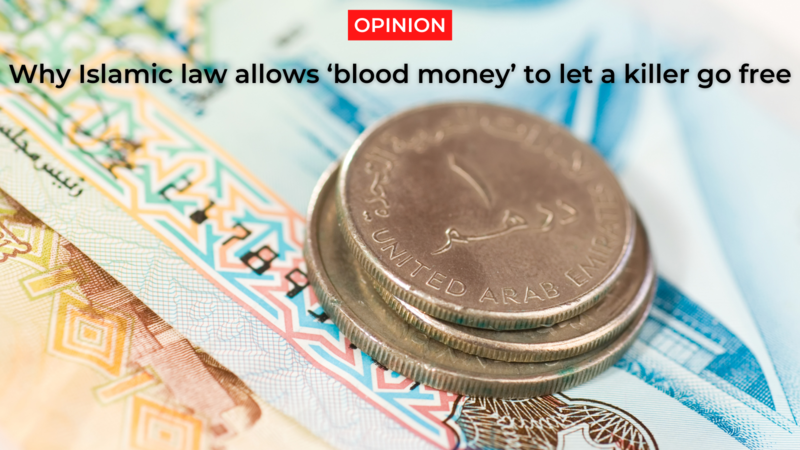
In a majority of legal systems, including the system in India, death penalty is non-negotiable. However, there is some scope in Islamic jurisdictions to save the life of a convict by waiving off the death penalty in case the victim’s relatives decides to forgive the killer. This principle is called “diyah”, which is loosely understood as “blood money”.
In a majority of legal systems, including the system in India, death penalty is non-negotiable. However, there is some scope in Islamic jurisdictions to save the life of a convict by waiving off the death penalty in case the victim’s relatives decides to forgive the killer. This principle is called “diyah”, which is loosely understood as “blood money”.