- AS Bhasin
- Updated: Jul 07, 2021, 20:04 IST IST
A new book examines the history of the two nations that led to the war in 1962 and when the first signs of intrusions on the border began to be noticed
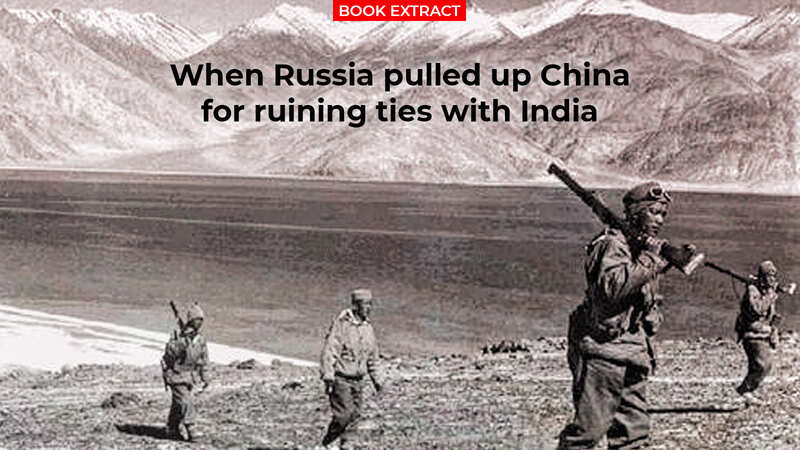
After the Kongka Pass incident where nine Indian policemen on patrol duty were killed in an ambush by the Chinese, which was more serious than the Longju incident, Nikita Khrushchev addressing the Supreme Soviet, the Soviet Parliament, on 31 October 1959 deplored the incident and expressed the hope that the disputed border would be resolved by friendly consultations between the two neighbours. He described it “sad” and “stupid” to the correspondent of the CPI mouthpiece, the New Age, and again cited the settlement of the Soviet Union’s border with Iran as an example. Nehru, however, did not take the hint. There were visible signs of deterioration in relations between the two fraternal allies Soviet Union and China.
Nehru, too, remained discreet thereafter in asking Soviet support to resolve the dispute, so as not to embarrass Moscow. China, however, resented Soviet neutrality and continuation of their economic aid to India.
Nehru, too, remained discreet thereafter in asking Soviet support to resolve the dispute, so as not to embarrass Moscow. China, however, resented Soviet neutrality and continuation of their economic aid to India.