
- News
- India News
- UPA-era J&K interlocutors welcome Centre’s move on dialogue process but question its limited scope
Trending
This story is from October 23, 2017
UPA-era J&K interlocutors welcome Centre’s move on dialogue process but question its limited scope
“It’s (appointing an interlocutor) a welcome relief as it recognises the importance of dialogue. But, I was taken aback by the use of words like ‘legitimate aspirations’ in the statement”, said Radha Kumar, one of the interlocutors of the three-member panel, appointed by the then UPA government in October, 2010.
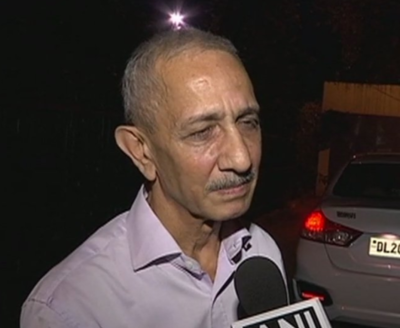
Dineshwar Sharma

“It’s (appointing an interlocutor) a welcome relief as it recognises the importance of dialogue. But, I was taken aback by the use of words like ‘legitimate aspirations’ in the statement”, said Radha Kumar, one of the interlocutors of the three-member panel, appointed by the then UPA government in October, 2010.
She told TOI that the use of word ‘legitimate’ is nothing but a pre-condition. “You cannot achieve the desired objective through such pre-condition by limiting the dialogue process”, Kumar said while referring to the mandate of the new interlocutor Dineshwar Sharma who is a former chief of the intelligence bureau (IB).
The home ministry in its statement said, “Sharma will initiate a sustained interaction and dialogue to understand the legitimate aspirations of the wide cross sections of society, particularly the youth in Jammu & Kashmir and communicate them to the State government and the Centre”.
Besides Radha Kumar, former information commissioner M M Ansari and late journalist Dileep Padgaonkar were the other two interlocutors on the panel.
Though Ansari too welcomed the dialogue process, he said the appointment of a former IB chief as interlocutor was a clear indication that the government was just looking at the entire issue through a prism of security and intelligence.
“Security and intelligence agencies and military establishments are important stakeholders. But, the issue should not be limited to those concerns. It would be a futile exercise if the government goes ahead with it without implementing various recommendations, including the CBMs, which we had made”, said Ansari.
He told TOI that the panel had then talked to all political parties including BJP and even the RSS before making those recommendations. “Why is the present government shying away from implementing those suggestions including the CBMs?”asked Ansari.
Besides recommending a number of CBMs including review of Disturbed Areas Act and re-appraisal of application of controversial AFSPA, the three-member panel had also suggested setting up of a constitutional committee to review all Acts and Articles of the Constitution of India extended to Jammu & Kashmir after the 1952 Delhi agreement.
In the pre-1953 era, the Centre's jurisdiction was mainly restricted to defence, external affairs, communication and finance. The 1952 agreement had enabled extension of all the central acts, Articles of Constitution of India and hoisting of Indian tri-colour along with the state flag.

About the Author
Vishwa MohanEnd of Article
FOLLOW US ON SOCIAL MEDIA










Photostories
Hot Picks
TOP TRENDING
Popular Categories
Hot on the Web
Top Trends
IND vs AUS Live ScoreBaba Siddique NewsVirat KohliRussell WilsonsSpacex StarshipRahul DravidWho was Baba SiddiqueBabar AzamNTA SWAYAM July RegistrationLawrence BishnoiAmazon LayoffsTaylor SwiftManagement Colleges of IndiaTop Medical Colleges of IndiaTop Engineering Colleges of IndiaTop Pharmacy Colleges of IndiaLive Cricket Score
Trending Topics
Diwali WishesDussehra 2024 QuotesDussehra WishesVettaiyan OTT ReleaseVettaiyan CollectionVettaiyan ReviewNatasa StankovicDevara CollectionBigg Boss 18Deepika PadukoneShraddha KapoorRatan Tata Passed AwayJigra Movie ReviewVettaiyan Movie ReviewSwatantrya Veer SavarkarDussehra 2024Star Health Hacker DemandedViral MemesUltimate Football Codes October 2024Wordle Answer
Living and entertainment
Latest News
Paras Mhambrey joins Mumbai Indians as bowling coachSalman Khan’s security beefed up after Baba Siddiqui’s murder; ‘Sultan’ star looked uncomfortable after visiting the late politician’s family at 3 amBaba Siddique may have died prior to hospitalisation, says doctorsSpaceX's fifth Starship test flight achieves historic booster catchKrushna Abhishek shares a heartwarming post for mama Govinda; says 'jab body mein adha blood supremely talented actor Govinda ka ho...'News brief: 'Who is listening? Modi?': Kapil Sibal takes a dig at RSS chief Mohan BhagwatZodiac signs likely to have soul connectionsAI’S Oppenheimer'Points towards failure of CM': Sanjay Raut slams Maharashtra govt over Baba Siddiqui's killingMahela Jayawardene returns as Mumbai Indians head coachMidnight queues, long waits, bad advice: It's not easy getting therapy in IndiaTom Brady is Likely to Become a Minority Owner of Las Vegas Raiders at the Upcoming NFL Fall Owners' Meeting4.2 magnitude earthquake strikes AssamThe Great Indian Kapil Show 2: Kareena Kapoor reveals hubby Saif Ali Khan is jealous of her bond with sister Karisma; says, “He thinks I talk to her more than him”Accused were paid in advance to kill Baba Siddique: Mumbai PoliceMammograms and breast cancer treatment: Separating facts from mythsHow vitamin C-rich foods help with weight lossDelhi resumes crackdown on old vehicles, 213 seized already: Is yours at risk?
Copyright © 2024 Bennett, Coleman & Co. Ltd. All rights reserved. For reprint rights: Times Syndication Service