
- News
- India News
- Supreme Court wants name of whistleblower who revealed CBI director’s visitors, stumps Prashant Bhushan
Trending
This story is from September 16, 2014
Supreme Court wants name of whistleblower who revealed CBI director’s visitors, stumps Prashant Bhushan
The Supreme Court yesterday rejected CBI director Ranjit Sinha’s plea for in camera hearing on the visitors’ diary at his residence showing alleged visits by “undesired” people.

NEW DELHI: The Supreme Court on Monday rejected CBI director Ranjit Sinha’s plea for in camera hearing on the visitors’ diary at his residence showing alleged visits by “undesired” people, but asked the petitioner’s counsel, Prashant Bhushan, to confidentially inform the court who gave him the original diary.
Sinha’s counsel, senior advocate Vikas Singh, said he was seeking in camera hearing to protect the CBI director’s prestige and prevent adverse impact on the trial in 2G scam cases. The court firmly rejected the plea, saying, “We do not believe in secret hearing.”
The order that Bhushan disclose who leaked the diary set off speculation about the trajectory the case might take, with the activist-lawyer expressing reservations that it was not in sync with the spirit of the concept of whistleblowing: that anonymity will encourage conscientious insiders to expose corruption without fear of reprisal.
He also said he would have to take the consent of both the whistleblower and his colleagues at Centre for Public Interest Litigation (CPIL).

The Supreme Court of India.
CPIL has sought Sinha’s recusal from the 2G scam probe. The prosecution alleged that the visitors’ register revealed repeated visits by persons related to the 2G scam accused to the CBI chief’s residence and that he tried to derail the trial in the fag-end by attempting to file an affidavit that allegedly favoured the accused. This affidavit was seriously objected to by then special public prosecutor UU Lalit, it said.
'90% names fake'
Vikas Singh said 90 per cent of the names of visitors in the register was fabricated. He was trying to give an overall view of the 2G scam case file notings when he was stopped by the court and the CBI counsel, senior advocate KK Venugopal, who felt that it might impact the trial.
READ ALSO: Probe information, not the informer, activists say
Singh faulted the court registry for entertaining the application when the SC rules and judgments mandate that such applications, annexing classified information and privileged documents like the communication between Sinha and Lalit, could not be entertained without revealing the source.
Prashant Bhushan. (TOI file photo by Sanjeev Rastogi)
“The meetings are only a circumstance to show bona fide of the CBI director. Unless Prashant Bhushan informs the court how he got the diary and the noting of sensitive investigation files of the premier agency, this application should be thrown out with exemplary cost,” Singh said.
A bench of justices HL Dattu and SA Bobde sought the source of the visitors’ register and the file notings by September 22. Bhushan said it was unnecessary as the court had in several rulings highlighted the importance of keeping whistleblower’s identity a secret to prevent his victimization.
READ ALSO: Wish granted, CBI chief refrains from comment
He said the court would be right in seeking the whistleblower’s identity if the information given to the court through the diary entries, file noting and Lalit’s letter to the CBI director did not inspire confidence. “It will take just 10 minutes to verify the correctness of the allegations made in the application against the CBI director. If that is so, why put the whistleblower to grave risk,” he asked.
Bhushan said he would consult the whistleblower and the board of directors of CPIL on revealing the source of documents which he had submitted to the court and inform the court accordingly on September 22.
CBI director Ranjit Sinha. (TOI file photo by Sanjeev Rastogi)
With both Singh and Bhushan citing SC judgments to support their argument, the bench asked Venugopal to advise the court on future course of action. Venugopal said it would be conflict of interest if he was to say something against the CBI director as he was appearing for the organization he headed.
READ ALSO: 2G accused seek ‘conflicting’ files
“I know of the letter from the special public prosecutor strongly criticizing the director for intending to file an independent affidavit (after a common affidavit was filed in the 2G scam case). This application is also a personal attack on him. That is why I had advised him to engage a private counsel so that I avoid possible conflict of interest,” he said, adding if he was to act as amicus, then he should first give up CBI’s case.
Sinha’s counsel alleged that some force behind Bhushan was controlling the course of the case and cited press reports to argue that even what the petitioner was going to give to the court — the diary and the name of 27 ITBP and CBI officials on security duty at the CBI director’s residence — was known to the media a day prior to the hearing.
Sinha’s counsel, senior advocate Vikas Singh, said he was seeking in camera hearing to protect the CBI director’s prestige and prevent adverse impact on the trial in 2G scam cases.
The order that Bhushan disclose who leaked the diary set off speculation about the trajectory the case might take, with the activist-lawyer expressing reservations that it was not in sync with the spirit of the concept of whistleblowing: that anonymity will encourage conscientious insiders to expose corruption without fear of reprisal.
He also said he would have to take the consent of both the whistleblower and his colleagues at Centre for Public Interest Litigation (CPIL).
READ ALSO: No legal shield for whistleblower in Ranjit Sinha case
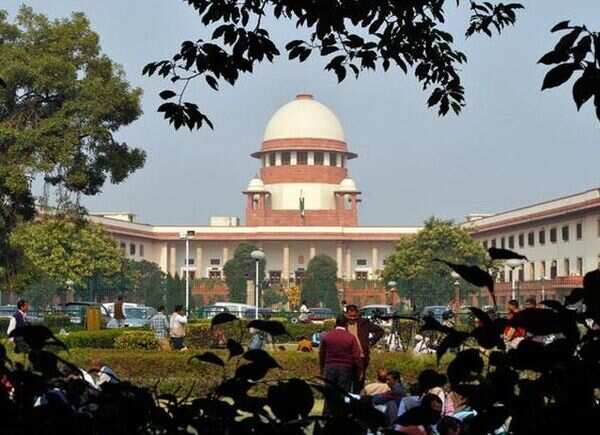
The Supreme Court of India.
CPIL has sought Sinha’s recusal from the 2G scam probe. The prosecution alleged that the visitors’ register revealed repeated visits by persons related to the 2G scam accused to the CBI chief’s residence and that he tried to derail the trial in the fag-end by attempting to file an affidavit that allegedly favoured the accused. This affidavit was seriously objected to by then special public prosecutor UU Lalit, it said.
'90% names fake'
Vikas Singh said 90 per cent of the names of visitors in the register was fabricated. He was trying to give an overall view of the 2G scam case file notings when he was stopped by the court and the CBI counsel, senior advocate KK Venugopal, who felt that it might impact the trial.
READ ALSO: Probe information, not the informer, activists say
Singh faulted the court registry for entertaining the application when the SC rules and judgments mandate that such applications, annexing classified information and privileged documents like the communication between Sinha and Lalit, could not be entertained without revealing the source.
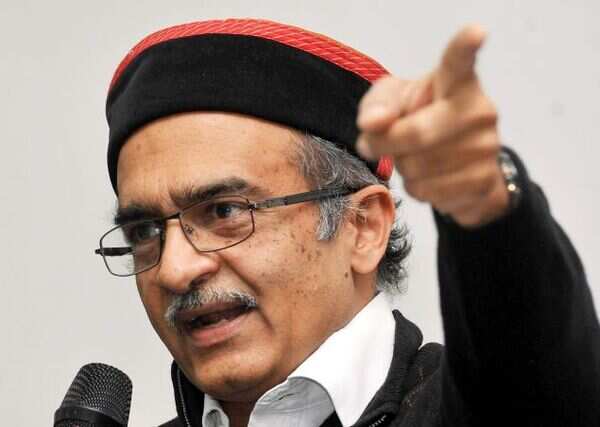
Prashant Bhushan. (TOI file photo by Sanjeev Rastogi)
“The meetings are only a circumstance to show bona fide of the CBI director. Unless Prashant Bhushan informs the court how he got the diary and the noting of sensitive investigation files of the premier agency, this application should be thrown out with exemplary cost,” Singh said.
A bench of justices HL Dattu and SA Bobde sought the source of the visitors’ register and the file notings by September 22. Bhushan said it was unnecessary as the court had in several rulings highlighted the importance of keeping whistleblower’s identity a secret to prevent his victimization.
READ ALSO: Wish granted, CBI chief refrains from comment
He said the court would be right in seeking the whistleblower’s identity if the information given to the court through the diary entries, file noting and Lalit’s letter to the CBI director did not inspire confidence. “It will take just 10 minutes to verify the correctness of the allegations made in the application against the CBI director. If that is so, why put the whistleblower to grave risk,” he asked.
Bhushan said he would consult the whistleblower and the board of directors of CPIL on revealing the source of documents which he had submitted to the court and inform the court accordingly on September 22.
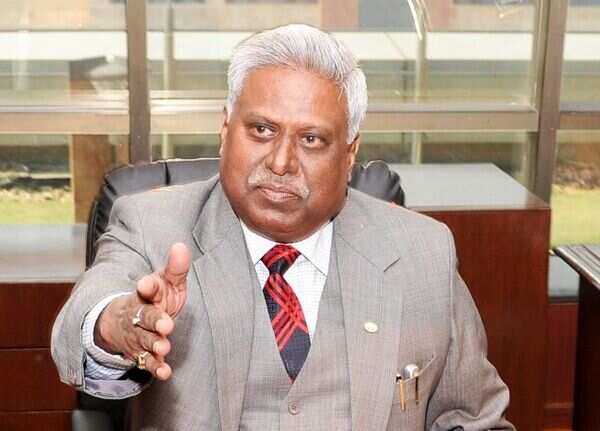
CBI director Ranjit Sinha. (TOI file photo by Sanjeev Rastogi)
With both Singh and Bhushan citing SC judgments to support their argument, the bench asked Venugopal to advise the court on future course of action. Venugopal said it would be conflict of interest if he was to say something against the CBI director as he was appearing for the organization he headed.
READ ALSO: 2G accused seek ‘conflicting’ files
“I know of the letter from the special public prosecutor strongly criticizing the director for intending to file an independent affidavit (after a common affidavit was filed in the 2G scam case). This application is also a personal attack on him. That is why I had advised him to engage a private counsel so that I avoid possible conflict of interest,” he said, adding if he was to act as amicus, then he should first give up CBI’s case.
Sinha’s counsel alleged that some force behind Bhushan was controlling the course of the case and cited press reports to argue that even what the petitioner was going to give to the court — the diary and the name of 27 ITBP and CBI officials on security duty at the CBI director’s residence — was known to the media a day prior to the hearing.
End of Article
FOLLOW US ON SOCIAL MEDIA









Hot Picks
TOP TRENDING
Trending Stories
In India
Entire Website
- The Secret Behind NFL Marriages: How These Couples Make It Work
- UPI transaction limit to change from September 16! Here are the new limits for various UPI payments
- When Laura Loomer said she's single because she's too focused on Donald Trump
- South Delhi shooting: Sleuths see killing as a message to big businessmen
- Top 10 sports stars turned power couples: From Agassi-Graf to Conner-Comaneci
- 3 Zodiac Signs Most Likely to Become Multimillionaires
- Narayana Murthy faces backlash for parenting remarks on social media; users say, "after working 72 hours a week, there’s barely time left to have babies…”
- 'Would not fit in ... ': Princess Diana's brother warned Prince Harry about marrying Meghan Markle
- The 3 Strongest Zodiac Signs: Powerhouses of the Zodiac Wheel
- Dark Side Of Each Zodiac Sign
- 'Nothing will slow me down': Trump after apparent assassination attempt
- Trump shooting incident: 'Shooter was only 400-500m away' - Key details
- Will resignation gambit help Kejriwal win Delhi again?
- Arvind Kejriwal's resignation: Who will be the next Delhi CM?
- 'Bolte zyada hain': Pakistan great on Babar, Virat
- Who is Ryan Routh? Man held for 'apparent assassination attempt' on Trump
- Will turning Trump into a joke help Kamala win the White House?
- Apple's biggest 'iPhone update' for 2024: India time, how to prepare
- How Sachin Tendulkar mastered the upper cut shot to perfection
- Process for census initiated, 'open' on caste count: Govt

Popular Categories
Hot on the Web
Top Trends
Trending Topics
Living and entertainment
Latest News
Challenges won’t stop me from making films that matter: Aditya Kripalani3 Reasons Why Hell in a Cell Tag Team Match Between Cody Rhodes, Roman Reigns and The Bloodline 2.0 Would Be perfect for Bad Blood 2024Odisha to join Ayushman plan; Delhi, Bengal to be only holdoutsRobert's wild encounter with Henry, the world's oldest 124-year old crocodile; internet shocked | Watch videoHooda says Congress coming to power in Haryana, asks criminals to give up crime or leave state‘I Hate Taylor Swift!’: Donald Trump rages after singer endorses Kamala HarrisFather-son duo Eugene and Dan Levy's dazzling entrance at the EmmysBakuchiol: Nature’s answer to youthful skin radianceSaudi Arabia footballer Fahad Al-Muwallad hospitalized after fall from balcony'Will hug my kids extra tight tonight': JD Vance after Trump 'assassination attempt'Bengal govt blames junior docs for logjam but sends fresh offer for talksLodi-era mosque collapses in AgraVineet Kumar Singh calls Superboys of Malegaon standing ovation at TIFF a 'magical experience': 'I can still hear the clapping and whistling" - ExclusiveFoods to pair with dates for boosting immunityNeeraj Chopra misses second Diamond League title by an agonising 1 cm; finishes second behind AndersonRain washes out England-Australia T20I series finaleKejriwal says he will quit as CM in 2 days, wants aam aadmi's 'honesty certificate'Capricorn, Daily Horoscope Today, September 16, 2024: Harmonious relationships with partners are likely
Copyright © 2024 Bennett, Coleman & Co. Ltd. All rights reserved. For reprint rights: Times Syndication Service