
- News
- India News
- Queues, panic and pressure: How Middle East tensions triggered India’s LPG alarm
Queues, panic and pressure: How Middle East tensions triggered India’s LPG alarm
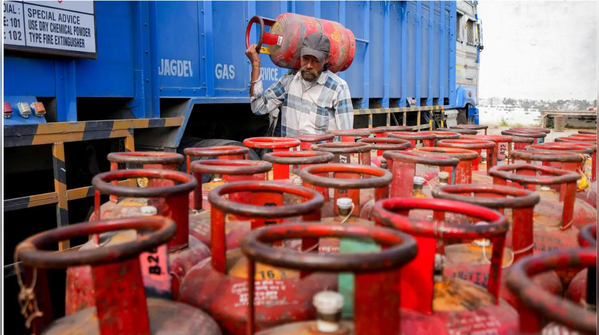
LPG panic grows as Hormuz tensions escalate
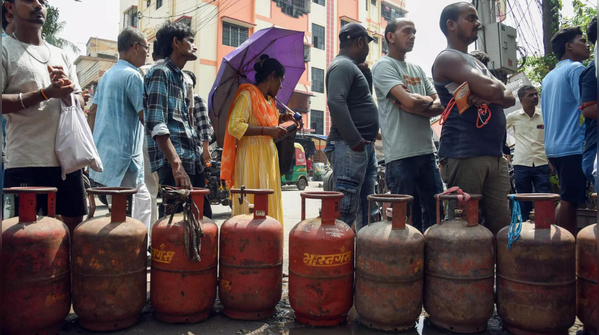
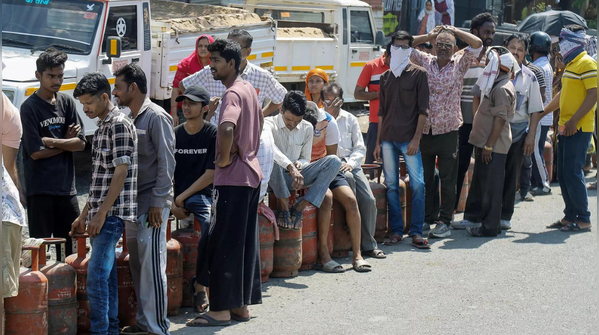
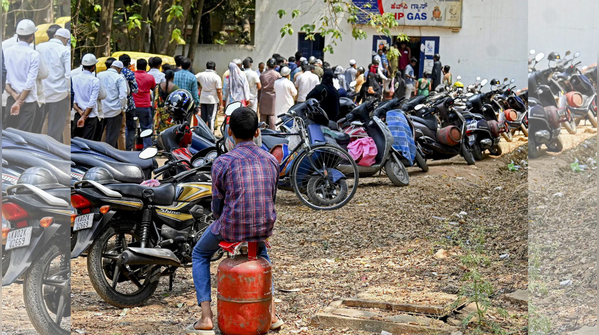
India witnessed growing anxiety over LPG availability as the West Asia conflict intensified and Iran’s choking of the Strait of Hormuz tightened global energy flows. Long queues formed outside distributors in several areas even as the Centre insisted there was no need for panic buying and said domestic supply remained under control.
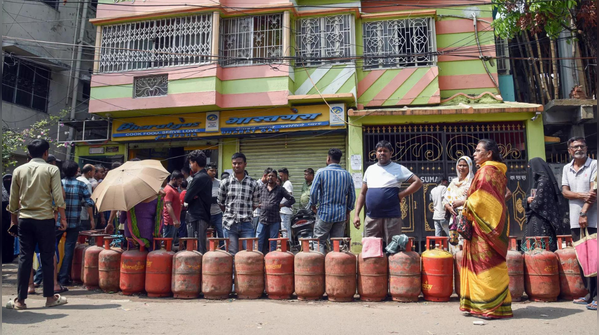
Strait of Hormuz becomes the pressure point
The Strait of Hormuz emerged as the key trigger because a significant share of India’s energy imports moves through the route. With tanker movement disrupted, concerns deepened over how long cooking gas supplies from Gulf producers could continue without delays or reduced shipments.
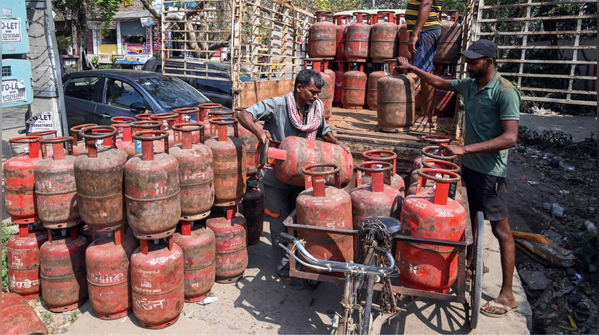
India’s LPG import dependence comes into focus
The crisis underlined India’s dependence on imported cooking gas. The country imports about 60 per cent of its LPG needs, and a large portion of those cargoes come from Gulf suppliers whose exports rely heavily on the Strait of Hormuz remaining open and functional.
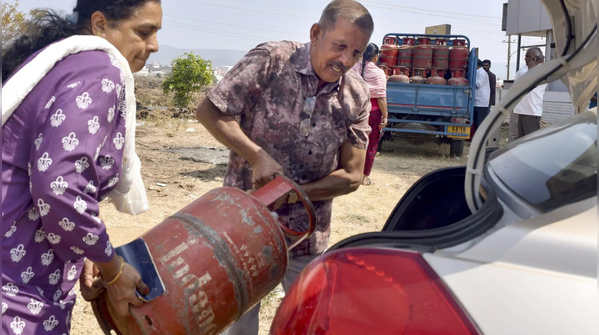
Centre holds repeated briefings to calm fears
The government held joint inter-ministerial briefings for the third consecutive day to address public panic. Officials urged consumers not to queue outside agencies, asked them to use digital platforms for bookings, and said rising online orders showed that the system was adapting to the sudden pressure.
Domestic households remain top priority
The Centre said uninterrupted LPG supply to households had been ensured despite the disruption. Officials stressed that no dry-out had been reported by any of the country’s 25,000 distributors and said the main focus remained on ensuring cylinders reached domestic consumers without interruption.
Domestic production is ramped up
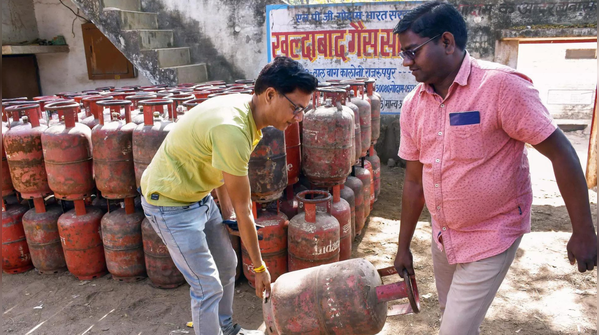
To strengthen supply, the government said domestic LPG output had risen by 30 per cent compared with March 5. Refineries were also said to be running at full capacity or higher, as authorities tried to offset part of the import stress with higher domestic production.
Commercial cylinders face the sharpest shortage
While domestic supply was protected, commercial users were hit harder. Restaurants, hotels and food businesses reported difficulty getting cylinders, forcing the Centre to place commercial LPG supplies under state governments so they could prioritise distribution to the most essential users.
States move against hoarding and black marketing
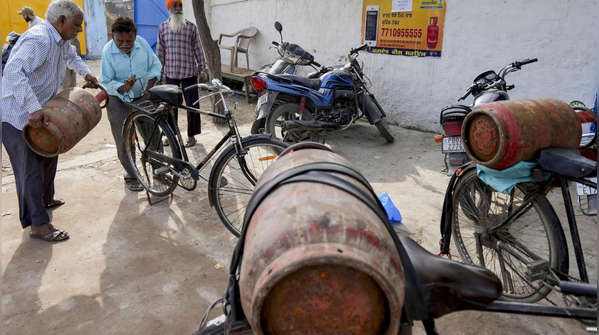
State administrations responded with inspections, helplines and enforcement drives to curb hoarding and black marketing. Delhi, Uttar Pradesh and Bihar were among those warning of strict action, including FIRs, against agencies or individuals found diverting domestic cylinders or selling above permitted rates.
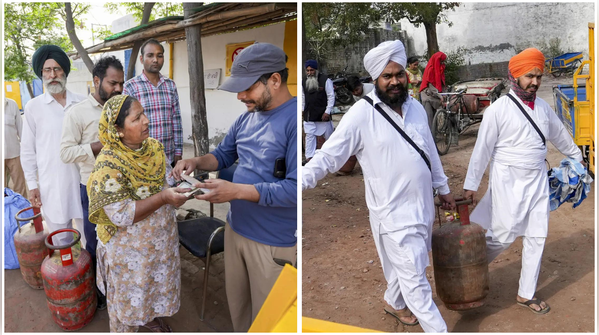
Delhi, Maharashtra and UP tighten delivery management
Delhi revised the minimum interval between refill bookings from 21 days to 25 days, while saying deliveries were still being made within two to three days on average. Maharashtra ordered fixes to booking apps and missed-call systems, and Uttar Pradesh deployed police support at distribution centres to maintain order.
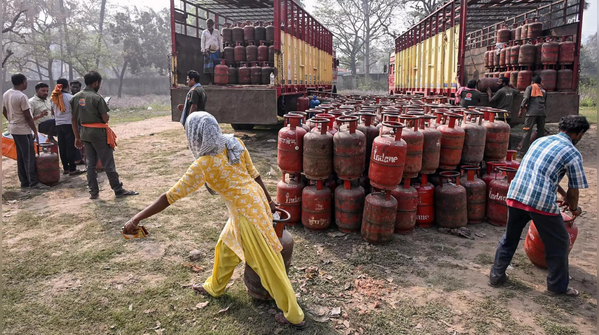
Southern states flag stress in commercial supply
In the South, the sharper impact was visible in commercial kitchens. Karnataka acknowledged supply trouble, Telangana said domestic supply remained stable but commercial distribution was under strain, and hotel associations warned that businesses were relying on existing stocks or emergency alternatives to stay open.
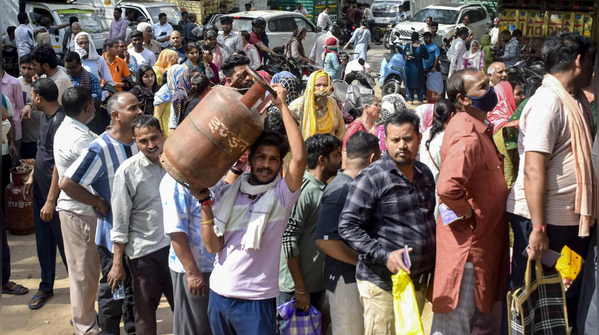
PNG urged as a practical substitute
To reduce pressure on LPG, the Centre appealed to households and commercial users who could switch to PNG to do so immediately. Officials said around six million families could move to piped gas at once, while urban commercial users were advised to contact local city gas providers.
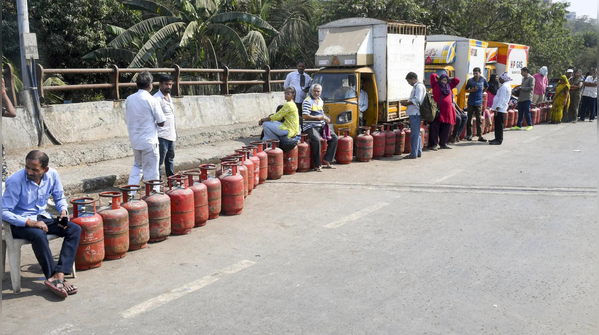
Kerosene, coal and biomass return as stopgap fuels
In a striking reversal, India temporarily returned to kerosene and other alternate fuels such as coal, biomass and refuse-derived pellets to conserve LPG for households. Additional kerosene allocations were made to states, while commercial establishments were permitted to use substitute fuels during the disruption.
A wider energy warning for India
The LPG crisis became more than a supply scare. It exposed how vulnerable India’s cooking gas chain remains to geopolitical shocks in the Middle East. Even as the government insisted there was no petrol or diesel shortage, the episode highlights the need for diversification, calmer public response and stronger energy resilience.
Featured In India

