
- News
- India News
- PM Modi turns 72: 10 rarely seen pictures from his early life
PM Modi turns 72: 10 rarely seen pictures from his early life
Rare pictures of PM Modi
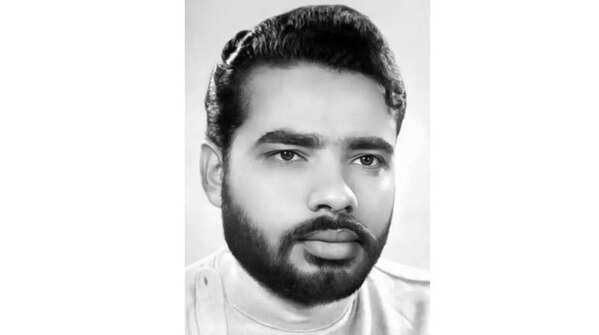
PM Modi’s formative years taught him tough lessons, balancing his studies while working at a tea stall, as the family struggled to make ends meet.
Rare pictures of PM Modi
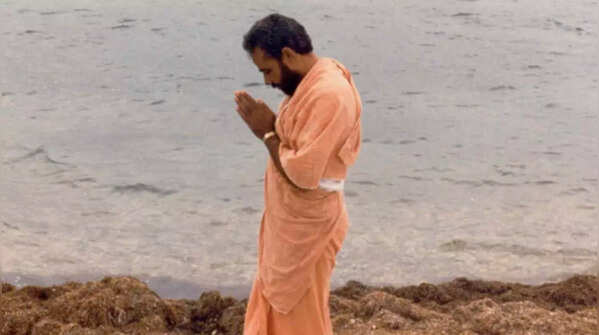
As a child, Modi was highly influenced by the works of Swami Vivekananda which laid the foundation of his journey towards spiritualism.
Rare pictures of PM Modi
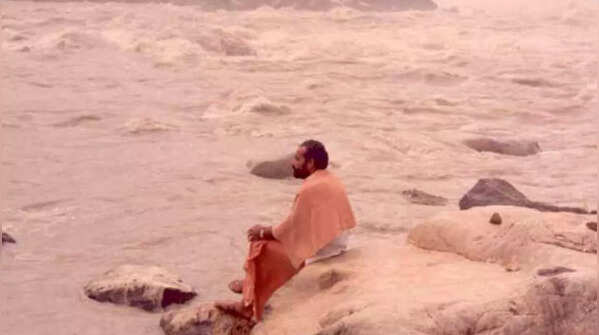
During his sojourn in the Himalayas in his formative years, PM Modi decided to take the path of service.
Rare pictured of PM Modi
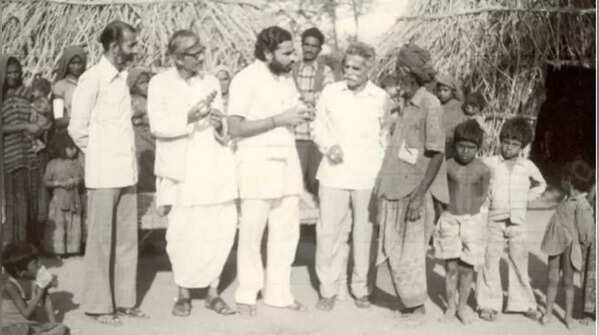
He went to Ahmedabad and joined the Rashtriya Swayamsevak Sangh (RSS) in 1971 and became a full-time pracharak the following year.
Rare pictures of PM Modi
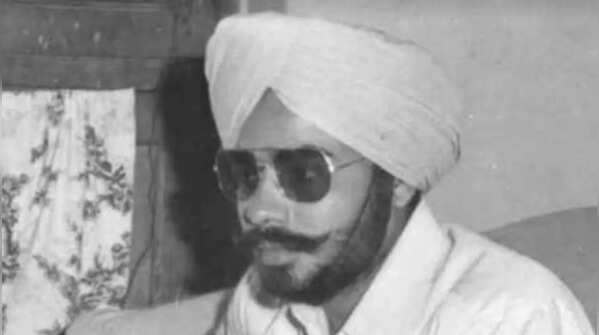
The late 1970s saw a young Narendra Modi join the movement to restore Democracy in India which was reeling under Emergency. He even disguised himself as a Sikh to avoid arrest.
Rare pictures of PM Modi
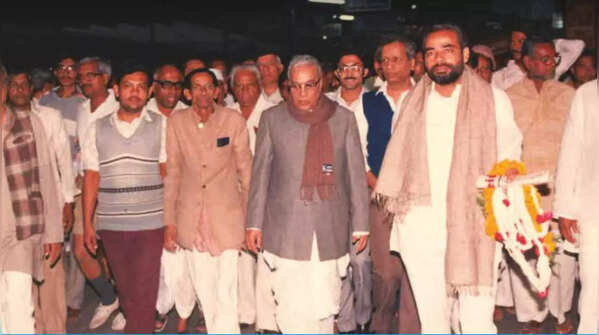
While continuing to shoulder different responsibilities within the Sangh during the 1980s, PM Modi emerged as an organizer exemplar. The RSS eventually assigned him to the BJP.
Rare pictures of PM Modi
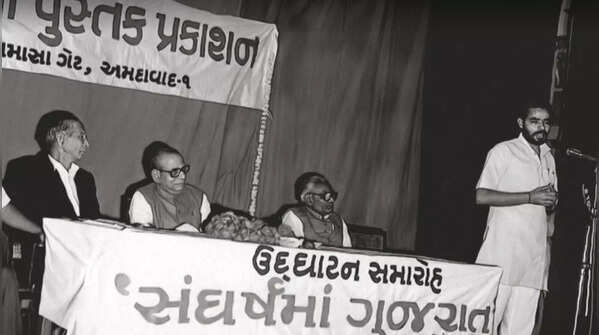
PM Modi organized one successful campaign after another and in 1987, he was appointed as the general secretary of BJP in Gujarat.
Rare pictures of PM Modi
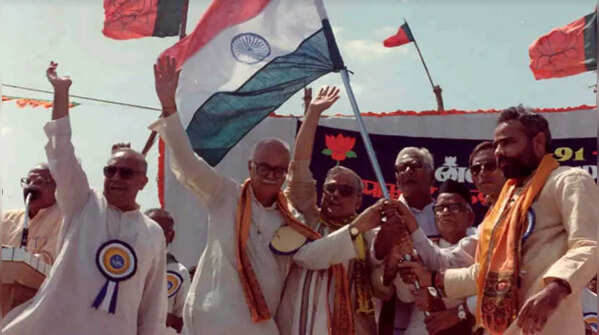
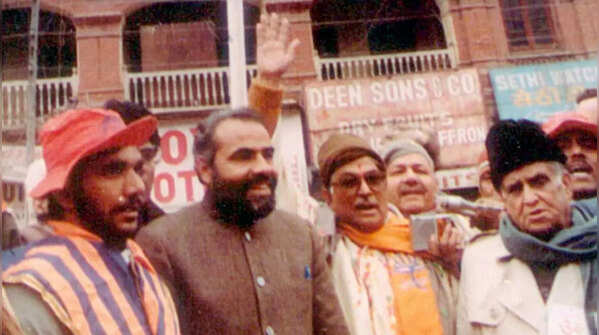
In 1991, BJP chief MM Joshi embarked on an ‘Ekta Yatra’ advocating national unity. All the planning for the yatra was done by PM Modi.
Rare pictures of PM Modi
Seeing his extraordinary skills and achievements in Gujarat and other states, Modi was appointed the national secretary of the BJP in 1995.
Rare pictures of PM Modi
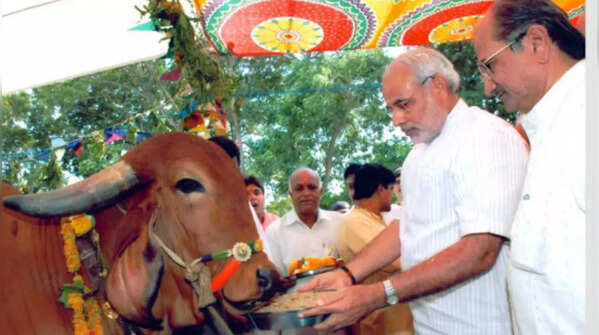
PM Modi was elected the chief minister of Gujarat in 2001. His Gujarat model of governance and development has been praised for promoting inclusive economic growth.
Featured In India

