
- News
- India News
- Note ban nets a windfall for civic bodies
Trending
This story is from December 19, 2016
Note ban nets a windfall for civic bodies
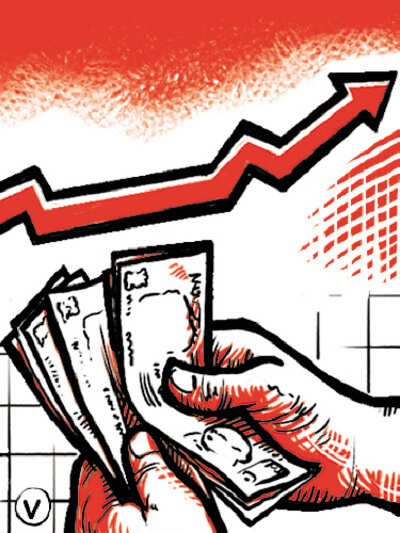
Municipal bodies in Telangana, Maharashtra, Gujarat and Chhattisgarh recorded a spurt in such income, according an analysis of revenue rise across 450 municipalities in India.

These municipalities are covered under the Atal Mission for Rejuvenation and Urban Transformation (AMRUT).
![Note Ban for Civic Bodies - Infographic - TOI[1]](https://static.toiimg.com/thumb/imgsize-23456,msid-56061441,width-600,resizemode-4/56061441.jpg)
According to data, Narkatiaganj municipal body in Bihar recorded the highest increase by 101 times, though the amount collected was negligible. Gudur municipality in Andhra registered the second highest increase by 40 times.
The data showed that while overall tax collection and other user charges across these municipal bodies was Rs 1,034.5 crore during November 2015, it rose to Rs 3,555.7 crore last month, registering nearly 2.5 times increase. The spurt in such revenue was primarily because of the government’s decision to allow Rs 500 and Rs 1,000 notes for making payments to municipal bodies.
Last month, the urban development ministry had said the total revenue of 47 select civic bodies had reached Rs 13,192 crore against a collection of just Rs 3,607 crore a year back.
“That figure included all types of revenue collected by the selected municipal bodies including non-tax revenue. But in the case of these 450 cities, we have taken collection of only property tax and other user charges such as water bill and sewage charges,” an official of the urban development ministry said.
He added that the analysis of data from these 450 municipalities shows how almost every municipal body saw increase in collection of property tax.
End of Article
FOLLOW US ON SOCIAL MEDIA










Hot Picks
TOP TRENDING
Popular Categories
Hot on the Web
Top Trends
Israel Hezbollah WarTirupati Laddu Case HearingKolkata Doctor Rape HearingIND vs BAN Live ScoreRohit SharmaIndian Team Fastest Test FiftyMohammed SirajUGC NET Result 2024TS DSC Results 2024Women T20 World Cup Points TableWomen T20 World Cup ScheduleShane McMahon Net WorthHezbollah ChiefEarth Mini MoonDiddyTop Management Colleges of IndiaLive Cricket Score
Trending Topics
Devara CollectionMithun ChakrabortyKangana RanautPark Ji AhStree 2 OTT ReleaseAnant AmbaniDevara CollectionGandhi Jayanti 2024Masala OmeletteEmergencyDevaraTaaza Khabar 2 Twitter ReviewDevara Movie ReviewHealthy RaitasSwatantrya Veer SavarkarColdplay India tour 2025Smartphone DealsApple Macbook Air M1Amazon SaleWordle Answer
Living and entertainment
Latest News
The Power of Color: Zodiac Signs and Their Energetic Hues'For the next 10 years, we've got players who will make our country proud' says VVS Laxman on bench strengthBarbra Streisand pays tribute to late 'A Star Is Born' co-star Kris Kristofferson: 'He was something special'Sasikumar and Simran join hands for a feel-good, city-based entertainerCovid lockdown on earth led to dip in Moon's temperature: StudyQueen Camilla does not want King Charles to meet Prince Harry because...From A.R. Rahman to Satyajit Ray: Indian Oscar winners who made historyWatch: Jasprit Bumrah’s lethal inswinger shatters Mushfiqur Rahim’s off stumpManipur CM Biren accuses Kuki militants of abducting 2 Manipuri youthsPaul Heyman opens up on declining TNA offer after leaving WWEColleagues remember braveheart Delhi Police constable Sandeep: 'Would rush to crime scene alone'Header: Kolkata metro conducts public awareness campaign at Dum Dum metro stationBCCI's Centre of Excellence opens up new possibilitiesBigg Boss 18 Promo: Salman Khan reveals the theme of the season by predicting the contestants' future in the houseBTS star V crowned 'Most Handsome Man in the World 2024'Decoding a bowl of Idli Sambhar: From calories to nutrients4 members of notorious robbery gang held in crackdown by Ghaziabad policeIndia’s choking beyond Delhi: Byrnihat shows we have a big unnoticed pollution problem
Copyright © 2024 Bennett, Coleman & Co. Ltd. All rights reserved. For reprint rights: Times Syndication Service