
- News
- India News
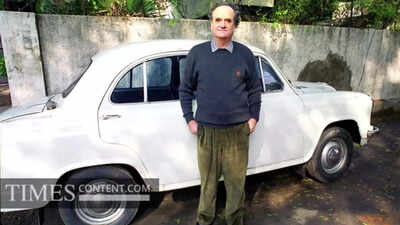
- Mark Tully dies at 90: Born in Kolkata to British parents; how BBC journalist made India his home
Mark Tully dies at 90: Born in Kolkata to British parents; how BBC journalist made India his home
.

About the AuthorTOI News Desk
End of Article
Follow Us On Social Media

Hot Picks
Top Trending
Tired of too many ads?go ad free now
Trending Stories
In India
Entire Website
- Kolkata: TMC-BJP supporters come to blows over loudspeakers; stage set on fire
- Republic Day 2026: Group Captain Shubhanshu Shukla gets Ashoka Chakra; 70 others honoured
- Himachal braces for more snow: IMD warns of fresh disturbance; over 800 roads blocked
- Iran trouble: IndiGo cancels some flights; Air India stops Iran overflying on Europe flights
- From Arjun tanks to BrahMos missiles: India to showcase military power at Republic Day parade
- Address to the nation: President Droupadi Murmu celebrates citizens’ role in nation-building on Republic Day eve– Top quotes
- 'A towering voice of journalism': PM Modi condoles death of veteran journalist Mark Tully
- 'Outright criminality': BJP leader calls for Mamata's beheading at Bengal rally; TMC hits back
- 'Only Miyas are evicted': Himanta Biswa Sarma dismisses charges of targeting indigenous Assamese
- Padma Awards 2026: Dharmendra, Shibu Soren, Rohit Sharma honoured - check full list
- IND vs NZ: India chase down 154 in 10 overs, clinch series 3-0
- T20 World Cup row: Shahid Afridi drags India–Pakistan angle, says 'ICC should build bridges, not burn them'
- MLB trade rumors: New York Mets Emerge as Potential Landing Spot for $15 Million Padres Starter Post–Dylan Cease Deal
- 'Blackmail the whole cricketing world': PCB chief Mohsin Naqvi under fire over T20 World Cup pullout remarks
- 'There's a coach at home': Suryakumar Yadav reveals how his wife helped him rediscover form
- 'Palash Muchhal beaten by female cricketers': Smriti Mandhana's childhood friend says, 'bhayanak scene tha'
- 'What did you just do!' US Federal agents fire 10 shots in five seconds, killing Minneapolis man - video captures horror
- First Amrit Bharat Express via Coimbatore city gets warm welcome
- Koyambedu to Butt Road phase-2 metro rail stretch to open by June
- US to cut number of green cards by up to 2.4 million: What it means for jobs and career growth
Tired of too many ads?go ad free now

Explore Every Corner
Across The Globe
IND vs NZ HighlightsBangladesh Cricket BoardNovak DjokovicPalash MuchhalRohit SharmaTeacher Murder in Mumbai LocalBudget 2026World BankUGC Bill 2026Alex PrettiMinneapolis shootingUnlawful AssemblyZohran MamdaniKash PatelH-1B rowUS winterUN Human RightsGreen cardIndian RupeeTrump tariffsBudget 2026 ExpectationsUP cow slaughter caseYuvraj MehtaQ-mitraDelhi AQIAvalanche alertStephen CurrySheikh HasinaDelhi rapeT20 World Cup 2026 Schedule
Hot on the Web
Republic Day WishesAmitabh BachchanAbhijit MajumdarAbhijit Majumdar Death CauseAnuj AroraJana NayaganRepublic Day WishesJaaved JaaferiBorder 2 CollectionFake Sweet PotatoBorder 2 ReviewBorder 2 Movie ReviewDhurandhar OTTRalph Waldo EmersonStephen HawkingBaby NamesTom CruiseBaba Vanga Prediction 2026Palaash MuchhalRimi SenSenecaThe 50 ContestantsDhurandhar OTTRabbi ShergillThe Raja Saab Box Office CollectionDhurandhar Movie CollectionAsia Longest RiverKumar SanuDhurandhar Movie ReviewAnand MahindraWilliam ShakespeareRiver That Flows BackwardsWorld Largest Beaver DamSnake Plant BenefitsQuote Of The Day By Bill GatesLongest Venomous King CobraMoon LakeLara TrumpJensen HuangGoogle Photo AI MemeDavos 2026
Trending Topics
India vs New Zealand ScorecardModi Kerala bannersMangaluru scareChennai weatherDelhi weatherNarsee Monjee teacher murderGolden TemplePatna NEET aspirant’s deathDelhi AQIPune stabbingChhattisgarh womenMP gang rapeBengaluru drug peddlerBhagirathpuraUP cow slaughter caseFaridabad newsBhubaneswar newsUttarakhand PUBGUttarakhand AvalancheYuvraj MehtaBudget Jewellery ExpectationsAbhijit MajumdarTrump tariffsEknath ShindeUP hindu conversionUP MurderFake challan scamBhopal traffic violationGujarat Chemistry ProfessorKamaal R Khan arrestBest Mobile Phones Under 25000Vijay ShahJohn TernusNyt ConnectionsSam AltmanSatya NadellaBill GatesElon MuskMahindra Thar RoxxTransfer RC OnlineWordle TodayAuto News
Popular Categories
HeadlinesSports NewsBusiness NewsIndia NewsWorld NewsBollywood NewsHealth+ TipsIndian TV ShowsTechnologyTravelEtimesHealth & FitnessChinese Horoscope PredictionsMarketsAstrologyWeather TodayGold Rate TodaySilver Rate TodayPlatinum Rate TodayIs Bank open todayIs Bank Open TomorrowBank Holidays January 2026Public Holidays January 2026DeorhiNFL ScheduleTechnology NewsInternational SportsPublic HolidaysBank Holidays
Trending Videos
Khamenei Goes Underground As U.S. Warships Advance and Iran Warns Of All-Out WarVidhana Soudha Lit Up in Tricolour on Eve of 77th Republic DayJ&K Security Heightened As Army Monitors LoC Ahead Of Republic DayChirag Paswan Slams RJD, Calls Tejashwi’s Appointment a Sign of Dynastic PoliticsUnion Minister Dharmendra Pradhan Offers Prayers At Maa Samaleswari Temple In SambalpurVenezuela’s Rodriguez Bashes Trump’s ‘Puppet' Machado; ‘Don’t Deserve To Even…’Thiruvananthapuram Headlines Today — The Biggest Updates You Need to Know.WATCH: Vande Bharat Express Passes Through Snow-Covered Banihal, J&K MLA Shares Stunning VideoDroupadi Murmu Highlights Army, Air Force, Navy Strength in Republic Day Eve AddressMumbai Headlines Today — The Biggest Updates You Need to Know.Jaipur Headlines Today — Key Stories You Shouldn’t Miss.Security Tightened Along LoC As Army Prepares For Republic Day CelebrationsHarvest: The End of Earth? Ginni Aneja Explains the Alarming Signs Shaping Our Planet’s FutureRJD Elevates Tejashwi as Working President, Sister Rohini Flags ‘Conspiracy’Allahabad Headlines Today — The Biggest Updates You Need to Know.Ludhiana Headlines Today — Key Stories You Shouldn’t Miss.Do Spirits Exist? Science vs Belief Explained by Dr Rahul Kumar | Truth Beyond FearVictoria Beckham’s Fierce Loyalty As She Protected Brooklyn From Dark Allegations | WATCH
Latest News
AIUDF: Not a single Muslim vote should go to BJPSara Arjun steps out in a dreamy blue saree and we can’t stop lookingMeta can access all WhatsApp chats, lawsuit claims; Company replies‘Worried ICE will deport 700K Indians’: Row over Saikat Chakrabarti calling federal agents ‘murderers’ after Minneapolis shootingGlobal leaders back India’s clean energy push at Davos: Pralhad JoshiAre luxury cars worth the money or just a status symbol?3rd T20I: India demolish New Zealand, chase down 154 in 10 overs to pocket seriesHow to grow and care for a bunny ear cactus at homeDaily Health and Wellness Horoscope, January 26, 2026: Mental overwhelm knocks softly first; these zodiac signs must catch it earlySean Payton current net worth: How the Denver Broncos coach built a $24 million fortuneKolkata: TMC-BJP supporters come to blows over loudspeakers; stage set on fireNational Assembly polls: Nepali Congress leads with 9-seat win in Upper House electionsDCCDL Q3 rent income up 18% to Rs 1,412 cr on high demand for office, retail spacesHow Shaquille O’Neal told his kids, ‘We’re not rich, I'm rich’Ramgarh Officials Ride Bikes for 'Voter Awareness'Hema Malini reacts as Dharmendra receives Padma Vibhushan posthumously, 'He deserved it much earlier'Winter storm grounds US air travel: Over 10,000 flights cancelled on Sunday as snow batters major hubs“I need time”: Justin Gaethje reveals comeback plan after getting rocked at UFC 324
Copyright © 2026 Bennett, Coleman & Co. Ltd. All rights reserved. For reprint rights: Times Syndication Service