
- News
- India News
- Covid-19: 2nd wave is not yet over, 167 districts still have more than 5% positivity
Trending
This story is from June 26, 2021
Covid-19: 2nd wave is not yet over, 167 districts still have more than 5% positivity
The second wave of Covid-19 is not yet over though a large part of the country is out of it, Indian Council of Medical Research (ICMR) director general Dr Balram Bhargava said, underlining the need for district level monitoring of test positivity rate to ensure any outbreak is contained locally and a major third wave is averted.
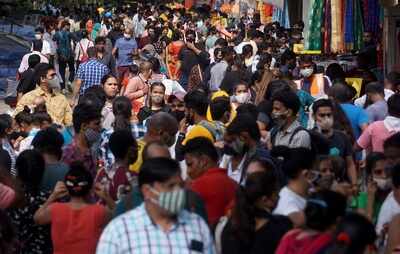
Currently, 565 districts have weekly test positivity at less than 5%.
However, 75 districts still have over 10% positivity, whereas 92 districts have positivity rate between 5-10%.
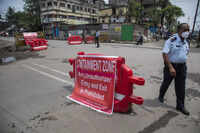

Meanwhile, An ICMR study titled 'Plausibility of a Third Wave of Covid-19 in India: A Mathematical Modelling-based Analysis', published in the peer-reviewed Indian Journal of Medical Research on Friday, found a substantial third wave of Covid-19 could occur but it may not be as large as the second wave.
Researchers said scaling up vaccinations could play an important role in mitigating any eventuality and future waves of the disease.
At a briefing, Dr Bhargava said, "The second wave is not yet over in our country. In a large part of India, the second wave is over. However, these districts (where positivity is still above 5%) are important and it is possible for us to avert a big third wave provided individual and societal protective behaviour are adhered to."
While daily new cases have come down significantly over the last few weeks, there are still 125 districts reporting more than 100 cases of Covid-19 every day. There were 6.1 lakh active cases across the country on Friday morning. The overall weekly positivity rate stood at 3.1%.
Bhargava said a third wave could be averted if people continued to follow Covid-appropriate norms and vaccination was ramped up. Besides, districts needed to monitor the test positivity level closely and in cases where it was more than 5%, strict localised restrictions should be imposed immediately.
End of Article
FOLLOW US ON SOCIAL MEDIA








Photostories

Hot Picks
TOP TRENDING
Popular Categories
Hot on the Web
Top Trends
India Qualifying ScenarioBaba Siddique NewsPakistan Cricket TeamRussell WilsonsSpacex StarshipRahul DravidWho was Baba SiddiqueBabar AzamNTA SWAYAM July RegistrationLawrence BishnoiAmazon LayoffsTaylor SwiftManagement Colleges of IndiaTop Medical Colleges of IndiaTop Engineering Colleges of IndiaTop Pharmacy Colleges of IndiaLive Cricket Score
Trending Topics
Diwali WishesNara RohithDussehra WishesVettaiyan OTT ReleaseVettaiyan CollectionVettaiyan ReviewNatasa StankovicDevara CollectionBigg Boss 18Deepika PadukoneShraddha KapoorRatan Tata Passed AwayJigra Movie ReviewVettaiyan Movie ReviewSwatantrya Veer SavarkarDussehra 2024Star Health Hacker DemandedViral MemesUltimate Football Codes October 2024Wordle Answer
Living and entertainment
Latest News
10 deadliest snakes in Australia and know their venom toxicityOver 70 injured at Devaragattu Banni stick festival during Dussehra celebrationsPassion missing, players don’t want to work hard, lament former intl’sHow tomato, potato, onion influence food inflationBiker’s death ignites village fury in Odisha's Boudh, massive traffic jam on NH-57Reliance Jio sends 'complaint letter' to telecom minister Jyotiraditya ScindiaWomen's T20 World Cup: Why India need Pakistan victory over New Zealand to secure semifinal berthSpaceX's fifth Starship test flight achieves historic booster catchCops probing Bishnoi gang's links to Siddique's murderKrushna Abhishek shares a heartwarming post for mama Govinda; says 'jab body mein adha blood supremely talented actor Govinda ka ho...'News brief: 'Who is listening? Modi?': Kapil Sibal takes a dig at RSS chief Mohan BhagwatPapankusha Ekadashi 2024: Date, Parana Time, Puja Rituals and SignificanceKenya's Ruth Chepngetich breaks women's world record at Chicago MarathonAI’S OppenheimerFormer Pakistan PM Imran Khan's sisters shifted to Jhelum jail on judicial remand'I truly believe ... ': What police said after third assassination attempt on Donald TrumpBaba Siddique murder case: Slum dispute that sparked ED inquest to be part of probeFor 20 years, Thar getting more rain than normal
Copyright © 2024 Bennett, Coleman & Co. Ltd. All rights reserved. For reprint rights: Times Syndication Service