
- News
- India News
- Bharat Forecast System: Desi system to make forecasts more accurate
Trending
Bharat Forecast System: Desi system to make forecasts more accurate
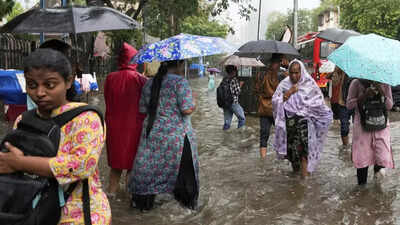
India has launched its indigenous Bharat Forecast System (BFS), a high-resolution weather prediction model, enhancing spatial resolution to 6km. This advancement enables village-level forecasts, improving accuracy for extreme rainfall prediction by 30% and rainfall in the monsoon core zone by 64%. The BFS, developed by IITM-Pune, offers localized forecasts with unprecedented precision.

About the Author
Vishwa MohanEnd of Article
Follow Us On Social Media









Photostories

Hot Picks
Top Trending
Explore Every Corner
Across The Globe
IND vs ENG Live ScoreWayne GretzkyTaylor SwiftNHL Trade RumorsNBA Trade RumorsConnor McdavidDwyane wades WifeVanessa BryantPatrick MahomesKevin DurantTom BradyOmar AbdullahIsrael Iran ConflictRaja Raghuvanshi MurderShahbaz SharifOperation SindhuTulsi GabbardMeghan MarkleMagic JhonsonSakuraIND vs ENG HighlightsJosh Allen WifeGabrielle UnionBrittany MahomesJonathan ToewsInternational Yoga Day 2025Paul SkenesJalen HurtsBank HolidaysJose Padilla
Hot on the Web
Sitaare Zameen Par ReviewFatty liver SymptomsSuchitra KrishnamoorthiMadhu ChopraKarisma KapoorKuberaa ReviewKuberaar Twitter ReviewSitaare Zameen ParSitaare Zameen Par Twitter ReviewKuberaa Box Office CollectionSitaare Zameen Par Box Office CollectionRam Kapoor DietBaby Girl NamesHigh BP MedicationHigh Blood Pressure RemediesUnique National AnimalsIkigai LessonsVitamin D DeficiencyHeart AttackSnakesLiver DamageKuberaa Movie ReviewPomegranate BenefitsBaba Vanga PredictionHarmful Herbal SupplementsFruits For DigestionUnhealthy Gut SymptomsHousefull 5 Box Office CollectionDNA Movie ReviewKidney Damage SymptomsCastor oil BenefitsSnake In Delhi MetroIran Shuts Down InternetTesla RobotaxiEarly Cancer DetectionHeart HealthFrizzy Hair TipsEye Care TipsMouth LarvaeDoomsday FishHeat AdvisoryGinger Health Tips
Trending Topics
Maharashtra Premier T20Yashasvi JaiswalKL RahulRishabh PantSanjay ManjrekarR PraggnanandhaaDhruvJurelNeeraj ChopraIND vs ENGNEET UG 2025Tips to Become TopperMAH CET LLB ResultJEECUP ResultRohit SharmaRJ MahvashTop US universities 2026Mahmoud Khalil CaseAir India CrashCaitlin ClarkYuvraj SinghNHL Trade NewsBank HolidayBrad MarchandConnor McdavidBill Belichick GirlfriendBlake MonroeIshan KishanYashasvi JaiswalSL vs BANRishabh PantElon MuskJensen HuangBillions Passwords LeakedSpaceX Test Rocket ExplosionWordle TodayNYT Connections HintsAmazon DeadlineSundar PichaiAnime Stronger Than Dragon BallSocial Media BanJamie DimonHumanity Could Vanish Within 100 Years
Popular Categories
HeadlinesSports NewsBusiness NewsIndia NewsWorld NewsBollywood NewsHealth+ TipsIndian TV ShowsTechnologyTravelEtimesHealth & FitnessNFLMLCIndia vs EnglandAstrologyWeather TodayPlatinum Rate TodaySilver Rate TodayGold Rate TodayDelhi AQI TodayJune Bank HolidaysPublic Holidays in JuneStock Market HolidaysNSE HolidaysBSE HolidaysTechnology NewsInternational SportsPublic HolidaysBank Holidays
Latest News
Shubhangi Atre on how yoga helped her overcome emotional challenges post divorce; says ‘It helped me process it and find my strength again’‘Disturbing departure from moral and diplomatic traditions’: Sonia Gandhi slams governments’ silence on Gaza and Iran conflict; calls it ‘surrender of values’'Bridgerton Season 4' wraps filming: Luke Thompson and Yerin Ha lead romantic tale set for 2026 releaseVir Das reviews Aamir Khan's 'Sitaare Zameen Par', finds it funny: 'Not just because it's a departure from action overload''Mastered the art of slogans, not solutions': Rahul Gandhi targets PM Modi over economic woes, says ‘Make in India’ failing youthMohanlal to join 'AK 64'? Ajith and Adhik Ravichandran's reunion vows to reach peak‘Thalayanai Pookal’ fame Nisha Ganesh joins the cast of ‘Mounam Pesiyadhe’International Yoga Day: Uttarakhand CM Dhami urges citizens to embrace yoga as way of lifeIndiGo Srinagar turbulence: DGCA orders corrective training for pilots, calls for ‘safety over schedule’ adherenceVir Das calls ‘Sitaare Zameen Par’ as 'Really good and breezy', urges fans to watch itAyodhya's Ram temple to be ready by October 31; landscaping by January 1; campus to feature 20 key elements, points of interestKajol once joked about ‘Putting Ajay Devgn on Trial’'Action to be taken in Konda-Kadiyam row', says Telangana Congress chief B Mahesh Kumar Goud to address rift; Jubilee Hills bypoll decision with high commandAdin Ross' viral influencer boxing series Brand Risk 008 date, fight card & start time revealedPriyanka Chopra teaches Jimmy Fallon how to throw a punch and rocks a leather LBDVande Bharat train scuffle: BJP MLA Rajeev Singh files complaint over indecent behaviour; passenger alleges assault by his associatesPhone tapping case: Telangana minister Bandi Sanjay contacted by police to record statement as witness; BJP MPs Eatla Rajender, Raghunandan Rao also likelyWoman injured in knife attack in Hyderabad: Husband falsely took blame to shield father; 3 family members booked for misleading cops, destroying evidence
Copyright © 2025 Bennett, Coleman & Co. Ltd. All rights reserved. For reprint rights: Times Syndication Service