
- News
- lifestyle
- travel
- destinations
- Which country has the most national parks? The answer may surprise you
Which country has the most national parks? The answer may surprise you
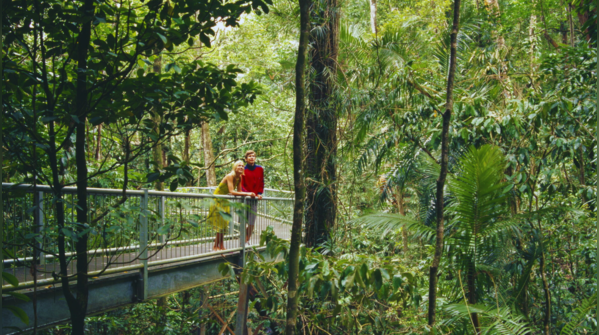
Which country has the most national parks? The answer may surprise you
National parks are those places that find a mention in our travel wishlist because of various reasons like spotting wildlife, being amid nature, and to enjoy experiences that are not possible in urban areas. But ever wondered what defines a national park? It’s a protected area that has been designated to serve as a refuge where nature flourishes, cultures endure, and wildlife gets a fighting chance. These designated places are conserved for their natural, geologic, and cultural significance, as well as the opportunities they provide for outdoor recreation. They are crucial for conservation and climate change.
National parks also provide a rare opportunity for people to re-encounter nature in the form of a silent hike, or observing wildlife or educating themselves about the history of the landscape.
As per the data from World Population Review, some countries have gone the extra mile in preserving these precious ecosystems by establishing hundreds of national parks.
Here's a look at the five countries with the most national parks, and how India fares on this global list.
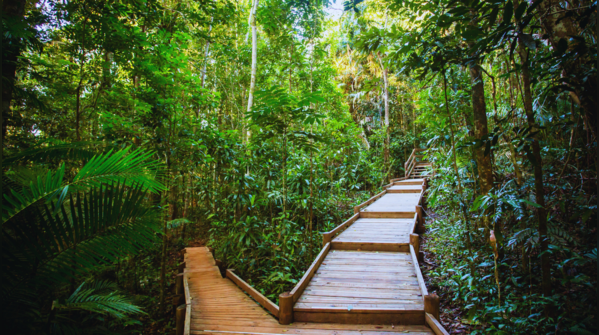
Australia – 685 national parks
Australia has the most, with a jaw-dropping 685 national parks, which collectively make up over 335,000 square km of Australian land. It is where those famous national parks are, from ancient Daintree Rainforest in Queensland to the otherworldly red terrains of Uluru-Kata Tjuta National Park that serve as home to an incredible range of flora, fauna and terrains. Many of these parks operate on a co-management basis with the Indigenous communities, preserving both the ecology and culture of the land.
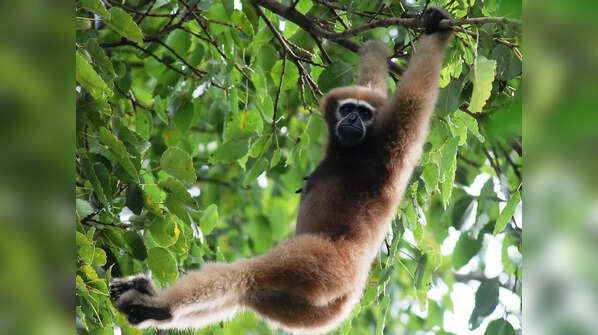
Thailand – 156 national parks
Thailand takes the second spot, with 156 national parks, which isn't bad going for a country only about half the size of France. Thailand has led the way in conservation in Southeast Asia. Parks such as Khao Sok and Erawan have stunning waterfalls, limestone cliffs, thick rainforests and an enormous variety of wildlife, including elephants, gibbons and hornbills. In 1961, Khao Yai became the country’s first national park.
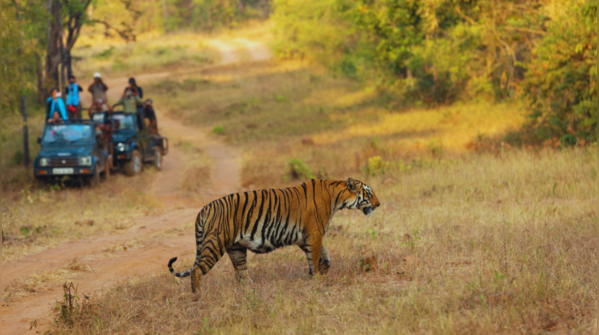
India – 116 national parks
India stands third with 116 national parks spread over more than 38,000 sq km. India’s journey in preserving its parks started with Jim Corbett National Park in 1936 in Uttarakhand. India’s National Parks from the tiger territories of Ranthambore and Bandhavgarh, to Hemis in the high altitude, to Gulf of Mannar’s marine life, offer a wide variety of evidence to the sheer diversity that is India’s geography and ecology. The parks are not only tourist attractions, but also the centers of wildlife conservation and environmental learning.
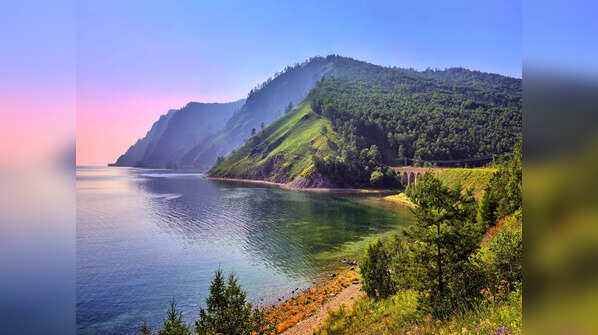
Russia – 112 national parks
Russia is just behind with 112 national parks that cover almost 297,000 sq km. Russia’s network of protected areas is relatively new; the national parks were only officially established in 1983. Its parks stretch from the tundra of the Arctic Circle to the subtropical forests of Sochi. Owing to the enormous geographical size of the country, the national parks are diverse, including everything from the cleanest lakes (Lake Baikal) to volcanic landscapes in the far east.
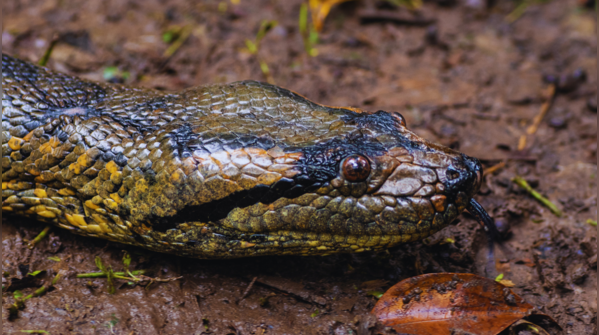
Brazil – 75 national parks
As host of the Amazon rainforest, it’s no wonder that Brazil made it to the list with 75 national parks covering around 250,000 sq km. The country’s national parks, including Iguaçu, Chapada Diamantina and Serra da Capivara, all established for dual purposes, such as conservation and public access, feature lush flora and fauna, otherworldly landscapes and archaeological wonders. And Brazil’s track record of conservation has been vital to battling worldwide deforestation and climate change.
Featured In lifestyle

MORE FROM ETIMES
life & style