
- News
- lifestyle
- health-fitness
- health-news
- Hair loss, hair thinning might be the first symptom of these health conditions
Hair loss, hair thinning might be the first symptom of these health conditions
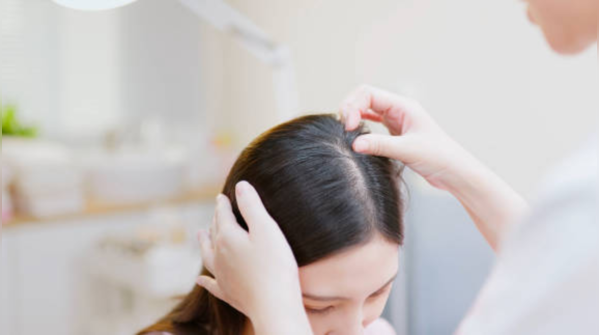
Hair loss happens, but wait! You must not ignore it
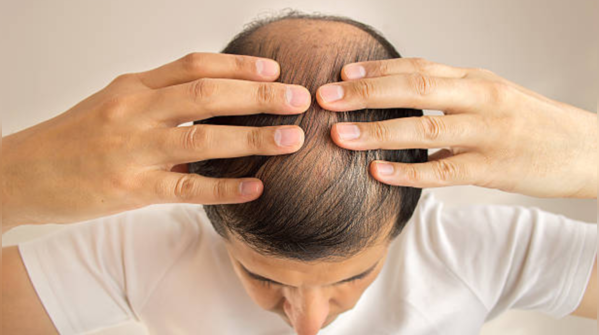
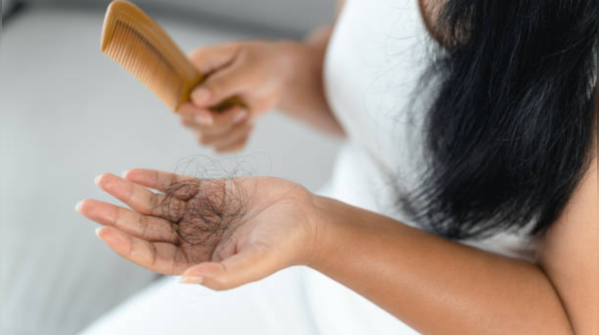
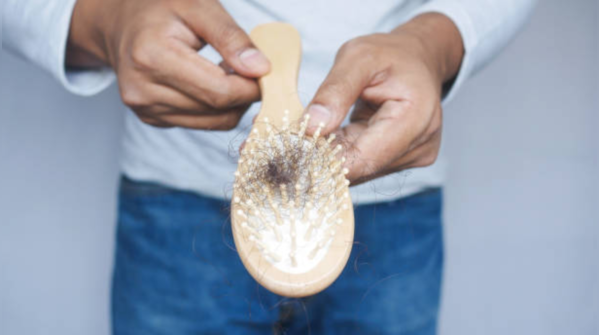
Losing a little hair in the shower or spotting a few strands on your pillow is totally normal. Hair sheds. That’s life. But when your hairbrush starts looking like a wild animal, or your part seems wider than you remember, it might be more than just seasonal shedding or a bad hair care routine. Sometimes, thinning hair is your body’s way of waving a big red flag that something deeper is going on.
Surprising, right? Hair is often the first place your body shows signs of internal imbalance. It’s like a built-in alert system. So if your once-thick mane is starting to look a little limp or patchy, don’t panic—but do pay attention.
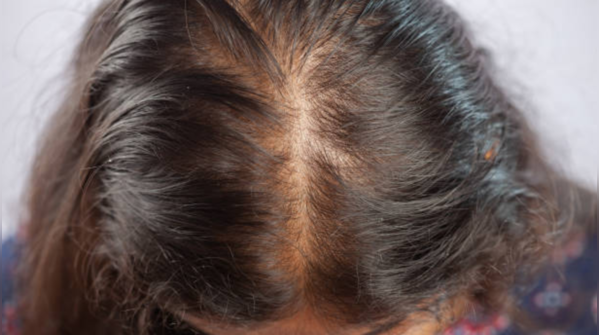
Thyroid problems
If your hair is thinning and you're also feeling tired all the time, gaining weight for no reason, or feeling cold when others are just fine—say hello to your thyroid.
Both hypothyroidism (underactive thyroid) and hyperthyroidism (overactive thyroid) can mess with your hair. With hypothyroidism, the body slows down, including your hair cycle. Your hair may become dry, brittle, and start thinning, especially at the crown. With hyperthyroidism, the hair can become fine and break easily. Either way, your scalp gets the short end of the stick.
It doesn’t help that thyroid conditions are incredibly common—especially in women—and often go undiagnosed for years. A simple blood test for TSH, T3, and T4 levels can help you figure out if your thyroid is messing with your follicles.
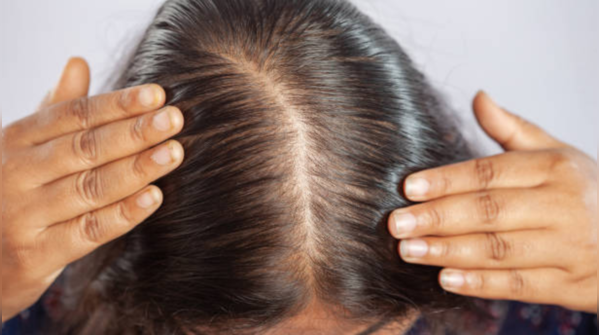
Polycystic Ovary Syndrome (PCOS)
PCOS is the hormonal rollercoaster ride no one signs up for. It messes with your ovaries, hormones, and yep—your hair. One of the hallmark symptoms? Thinning hair on your scalp while growing more hair on your face or body.
This happens because PCOS can trigger an increase in androgens (male hormones), which shrink hair follicles and shorten the growth phase of your hair. If you're noticing more hair on your chin and less on your head, irregular periods, or acne flare-ups—PCOS might be the culprit.
The earlier it's caught, the easier it is to manage with lifestyle changes, medication, and hormone regulation. So don’t let it go unchecked just because you think it's “just a hair thing.”
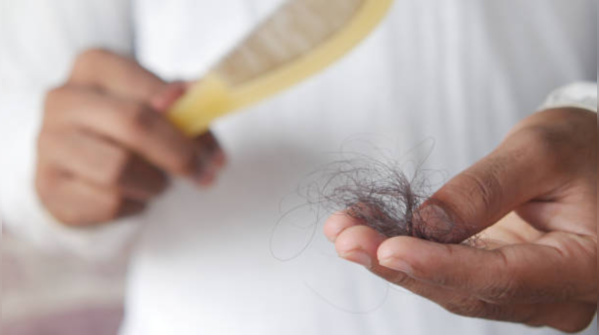
Iron deficiency anemia
Feeling dizzy, tired, and out of breath walking up a flight of stairs—and also noticing you’re shedding more hair than usual? Your iron levels might be the issue.
Iron plays a major role in producing hemoglobin, which helps carry oxygen to your body’s tissues—including your hair follicles. When there’s not enough oxygen, your hair growth can stall, and your strands start to fall out in clumps.
Iron deficiency is especially common in menstruating women, vegetarians, or anyone who doesn’t get enough iron-rich foods. If you're not sure, ask your doctor for a ferritin test (it checks your iron stores). Fixing it might be as simple as popping a supplement or eating more spinach, lentils, and red meat.
Lupus
Hair thinning may seem like a mild symptom until you realize it’s the tip of the iceberg with autoimmune diseases like lupus. With lupus, the immune system turns against your own body—including your skin and hair follicles. That can cause widespread inflammation, and yes, hair loss.
The tricky thing is that lupus can be hard to diagnose because its symptoms are vague: joint pain, fatigue, rashes, and mouth ulcers are common. But hair loss—especially around the edges of the scalp or in patches—can sometimes be one of the first outward signs.
If you have family history of autoimmune diseases or suspect something’s off, don’t ignore your instincts. A blood test for ANA (antinuclear antibodies) is usually the first step.
Vitamin D deficiency
Sunshine may not grow your plants alone—but it does help grow your hair. Vitamin D plays a role in stimulating new and old hair follicles. When your body doesn’t get enough of it, new hair growth can be stunted.
With many people spending more time indoors (hello, remote work life), Vitamin D deficiency is becoming more common. It often shows up as diffuse thinning—not just in one spot, but all over your head.
Feeling a little moody, foggy, or tired lately, too? These are classic low D symptoms. A blood test can confirm it, and a little sunshine or supplementation can make a big difference—not just to your energy, but to your hair.
Telogen Effluvium (TE)
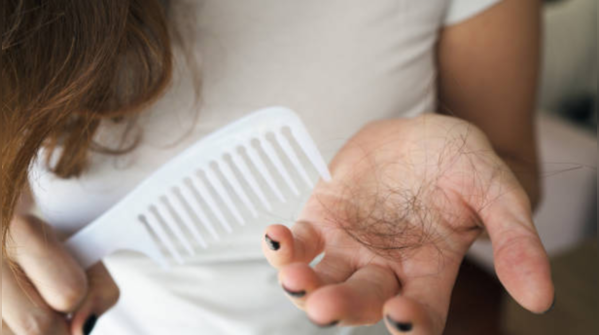
This one isn’t a disease exactly—but rather a condition caused by stress, illness, childbirth, surgery, or even crash diets. Telogen effluvium is when your hair enters the "resting phase" too early, causing it to fall out en masse a few months after the triggering event.
The frustrating part? You usually don’t connect the dots until months later. For example, if you had COVID or a traumatic event three months ago, you might suddenly notice you’re losing handfuls of hair now.
The good news? TE is often temporary. The better news? If you get your nutrients, stress, and sleep in check, your hair will usually bounce back in 3–6 months. But still, it’s a sign that your body’s been through something—and you need to slow down and recover.
Diabetes
Yes, even diabetes can show up on your scalp.
High blood sugar levels can damage blood vessels over time, including those that supply nutrients to your hair follicles. Poor circulation means less nourishment, which leads to—you guessed it—thinning hair. Diabetes can also cause hormonal imbalances and affect your immune system, both of which mess with hair growth.
If you're also thirsty all the time, peeing frequently, feeling fatigued, or have blurry vision—don’t brush it off. Hair loss might just be your body’s way of nudging you toward a much-needed checkup.
So, what should you do if you’re losing hair?
First, don’t freak out. A little hair loss is normal. But if you’re seeing more hair fall than usual—on your brush, in the shower, or when you run your fingers through your hair—it’s worth investigating.
Track your symptoms. Are you also feeling tired, anxious, foggy, or off in any other way? That’s your clue. And while topical treatments like minoxidil might help on the surface, they won’t fix the root cause—literally or figuratively.
Talk to a doctor or dermatologist and ask for blood tests to check your thyroid, iron, Vitamin D, hormones, and blood sugar. You might be surprised what shows up.
Because hair loss isn’t always about aging or bad shampoo—it can be your body’s first cry for help. And the sooner you listen, the easier it is to get your health (and your hair) back on track.
Disclaimer:
This article is intended for informational purposes only and should not be considered a substitute for professional medical advice, diagnosis, or treatment. Always seek the guidance of a qualified healthcare provider with any questions you may have regarding a medical condition. While every effort has been made to ensure accuracy, individual health concerns are unique, and thinning hair may have various causes beyond those listed. Never ignore medical symptoms or delay seeking care based on information read online.
Featured In lifestyle

