
- News
- lifestyle
- health-fitness
- health-news
- 5 ways poor oral hygiene can lead to cancer
5 ways poor oral hygiene can lead to cancer
5 ways poor oral hygiene can lead to cancer
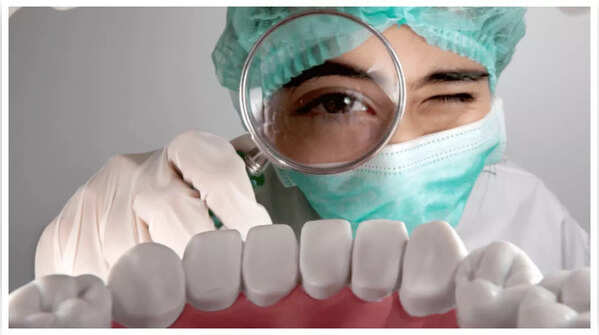
A lot of us think that oral hygiene (or the lack of it) is restricted to simply dental issues, but that is not entirely true. We all know that poor hygiene contributes to heart disease, but do you also know that the risk of developing cancerous diseases becomes higher when individuals fail to maintain proper oral hygiene? Recent studies establish a clear link between inadequate oral care and the development of head, neck cancers and mouth cancer. Here are 5 ways poor oral hygiene can lead to cancer...
Continuous inflammation
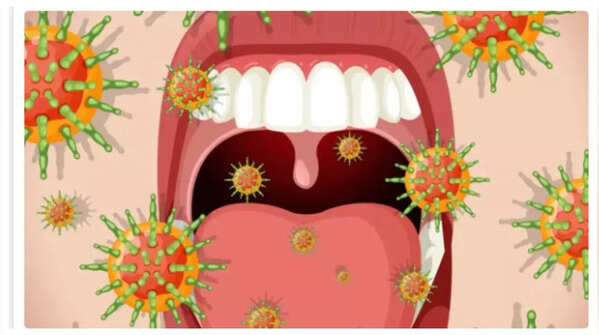
Poor oral care, over time, creates gum disease (periodontitis), which can develop into a chronic infection of gum tissues. The infection leads to persistent inflammation throughout your oral area. The prolonged process of cell and tissue damage through inflammation, results in the development of cancerous cells.
Research indicates that patients with gum disease face an elevated chance of developing cancers both within their mouths, and stomach/esophagus. The bacteria that live in an unclean mouth, can spread into the bloodstream to create body-wide inflammation that raises cancer risk.

Harmful bacteria
A contaminated mouth becomes home to dangerous bacteria, which produce poisonous toxins and chemicals. The destructive compounds found in this environment can damage your cellular DNA and block standard cell repair mechanisms. When DNA becomes damaged, cells start to grow without control, and develop into cancerous tissue.
Scientific research has demonstrated that people with weak oral hygiene develop abnormal microbial conditions in their mouths. Such microbial imbalances can give rise to cancer-producing bacteria. This bacteria plays a key role in the development of oral squamous cell carcinoma, which is one of the most common forms of mouth cancer.

Raises risk
Research studies indicate that people who avoid brushing frequently, have cavities, and avoid dental checkups, are more likely to get oral cancers. Regular dental checkups, together with twice daily brushing, helps decrease the risk factor.
The environment in which cancer thrives, becomes more favorable through tooth decay and oral infections, that result from poor hygiene practices. This apart, cavities, along with untreated mouth infections, indicates poor oral health for an extended period, and this leads to higher cancer susceptibility.
Mouth sores
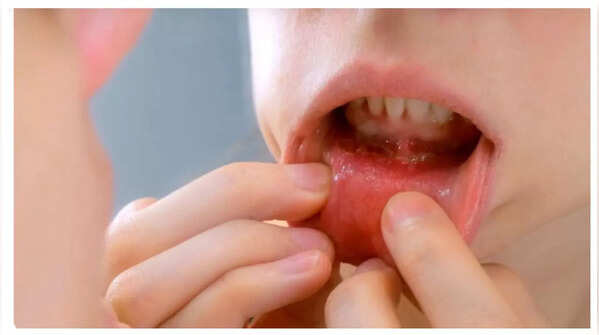
The combination of falling teeth, and recurring mouth ulcers, frequently appears as a result of poor oral health. Research indicates that losing five or more teeth raises the chances of developing cancers within the mouth, throat and voice box regions.
This, combined with existing mouth lesions, creates an environment where the human papillomavirus (HPV) and other viruses can more easily infect the body. The entry points created by open sores allow dangerous bacteria to penetrate.

Smoking/alcohol
Doctors all across the world recognise tobacco and alcohol as substances that trigger cancer development. Poor oral hygiene results in increased damage from these substances.
According to research, individuals who consume alcohol, together with poor oral hygiene face a significantly higher risk (up to five times higher) of developing oral cancer, than those who drink responsibly (or don't drink) while maintaining good oral health. Tobacco users experience increased harm, because their poor oral care enables bacterial and infectious growth that intensifies tobacco-related damage.
The combination of bad oral hygiene functions as a catalyst which intensifies other cancer risks.
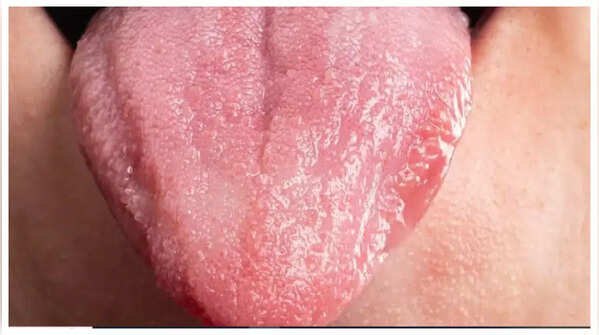
What Can You Do To Protect Yourself
Brush your teeth twice each day. Use fluoride toothpaste to maintain tooth strength.
Daily flossing helps eliminate food bits and plaque, which accumulate between teeth.
Visit your dentist regularly—once or twice a year for checkups and cleaning.
Avoid smoking and drinking, especially when your oral health is poor. Consume healthy food, which includes lots of fruits and vegetables to keep your body's defense system strong.
Treat any sores, bleeding gums, or tooth problems quickly by consulting a dentist.
References
NCBI (PMC)
Harvard T.H. Chan School of Public Health
The Lancet
Disclaimer: This article contains educational material and information but does not offer medical advice

Limit sugary drinks
Sugary drinks such as soda, sweetened juices, energy drinks, and flavored coffees feeds the harmful bacteria in your mouth. This will lead to eroded tooth enamel, leading to cavities, tooth decay, and gum disease.
Prevention is better
Prevention is always better than cure, so take care of your teeth

Happy teeth = Happy you
Oral hygiene is extremely important for all aspects of your life
Featured In lifestyle

