
- News
- #MeToo spreads across India’s art world
This story is from October 25, 2018
#MeToo spreads across India’s art world
On October 16, Instagram account Scene and Herd published an anonymous post accusing artist and co-founder of the Kochi Biennale Riyas Komu of sexual misconduct. A follow-up to another post on the account a week ago in which the survivor had not named Komu as the harasser, it described how after a meeting in Mumbai, Komu invited the survivor to travel to Kochi for a project and then for drinks to a restaurant where they were alone.
“Midway through the conversation, he ran his fingers up my arm and thigh, and asked me, ‘What are you really here for?’” Later, the survivor writes about how Komu insisted on dropping her to her hotel room: “He made his way into the room first and immediately pushed me against the wall.
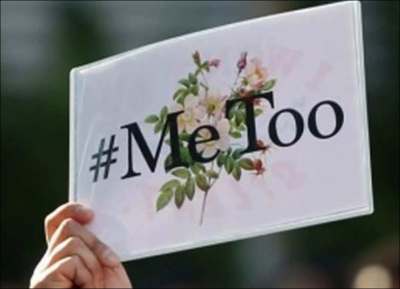
Started on October 8, the anonymously run Instagram account has been shaking up India’s art world by sharing stories of sexual misconduct, harassment and abuse by senior artists and curators. The anonymous creators of the account say that they were inspired by the MeToo movement. “We’ve watched these different forms of abuse for a long time now, and we want the industry we work in to be clean,” they told TOI. “The art world talks a lot about politics and feminism and yet look at the amount of abuse that’s going on within institutions and by powerful individuals.”
A few days after the Instagram post on Komu, the Kochi Biennale Foundation, which is preparing for the opening of its fourth edition in December, announced that he had stepped down. “Though the Foundation has received no formal complaint, we are collectively committed to ensuring zero tolerance to any harassment or misconduct, and have decided to constitute a committee to inquire into this matter,” it stated.
Since then, other allegations of abuse and harassment by volunteers at Kochi Biennale have appeared on Scene and Herd. Besides Komu, the posts on the account have named other senior artists and curators as perpetrators, among them Jatin Das. The post on Das described how the artist invited the survivor to be his assistant, and then on her first day, allegedly invited her to come to his bedroom.
The post inspired entrepreneur Nisha Bora to speak up and share her story on Twitter, in which she alleged how Das molested her when she visited his studio in 2004. “I had been considering it for five days… reading that Instagram post triggered me. I thought I needed to state my story before I swallowed it right back in,” she said. “I started out with the single intention of letting my children know that it is not their shame to carry.” Though TOI was unable to reach Das for comments, he had earlier denied the allegations.
Since then, multiple women have come forward to publicly accuse Das of sexual harassment. Bora says she has been surprised by the number of women who have shared their experiences. “Every woman who speaks up against injustice empowers many more. We lean on each other’s courage. Women who choose to stay anonymous have so many real threats – no family support, fear of losing their jobs, limited confidence to face public scrutiny and so on…. This is why fighting abuse is such a challenge.”
Bora points out that people in the art world are wary of naming predators because of the high professional cost. “The art community in India is small and appears to have no systems of redressal. A lot of professional growth stems from allegiances and loyalties,” she says. “The power inequilibrium between ‘senior’ and younger artists is considerable.”
The creators of Scene and Herd second this, pointing to the “hierarchical” nature of the art fraternity and fear of a backlash. While all the posts on the account are anonymous, many do not even name the perpetrators. “Money and power are in the hands of a few. Survivors are still afraid to speak up because they fear for their careers,” they say.
These stories reveal the systemic nature of exploitation and sexual harassment of young women in Indian art. Anita Dube, the first woman curator of the Kochi-Muziris Biennale admitted in a recent statement that there was an “atmosphere of misogyny prevailing unchallenged in most institutions led by men, KBF (Kochi Biennale Foundation) being no exception”. She added that with Komu stepping down, the Foundation had “begun the process of structural change”.
“I stand in complete solidarity, salute those who are brave enough to put their name at stake, support those who are disempowered and remain anonymous,” Dube said in a Facebook post. “It’s a flood and the floodgates have been opened. What was considered (for centuries) the perks of masculinity, is being called out today as totally unacceptable to women, as a violation of their human rights.”
“Midway through the conversation, he ran his fingers up my arm and thigh, and asked me, ‘What are you really here for?’” Later, the survivor writes about how Komu insisted on dropping her to her hotel room: “He made his way into the room first and immediately pushed me against the wall.
He began kissing me and feeling me up while I struggled to even process what the hell was going on . . . It stopped just as abruptly as it had started. And then he left.”
Started on October 8, the anonymously run Instagram account has been shaking up India’s art world by sharing stories of sexual misconduct, harassment and abuse by senior artists and curators. The anonymous creators of the account say that they were inspired by the MeToo movement. “We’ve watched these different forms of abuse for a long time now, and we want the industry we work in to be clean,” they told TOI. “The art world talks a lot about politics and feminism and yet look at the amount of abuse that’s going on within institutions and by powerful individuals.”
A few days after the Instagram post on Komu, the Kochi Biennale Foundation, which is preparing for the opening of its fourth edition in December, announced that he had stepped down. “Though the Foundation has received no formal complaint, we are collectively committed to ensuring zero tolerance to any harassment or misconduct, and have decided to constitute a committee to inquire into this matter,” it stated.
Komu also responded to the allegations on his personal Instagram account: “I’m deeply upset that this incident has been understood and presented in this manner. However, as the person has expressed hurt, I would like here to offer my apologies and I am opening myself to the possibility of a conversation.”
Since then, other allegations of abuse and harassment by volunteers at Kochi Biennale have appeared on Scene and Herd. Besides Komu, the posts on the account have named other senior artists and curators as perpetrators, among them Jatin Das. The post on Das described how the artist invited the survivor to be his assistant, and then on her first day, allegedly invited her to come to his bedroom.
The post inspired entrepreneur Nisha Bora to speak up and share her story on Twitter, in which she alleged how Das molested her when she visited his studio in 2004. “I had been considering it for five days… reading that Instagram post triggered me. I thought I needed to state my story before I swallowed it right back in,” she said. “I started out with the single intention of letting my children know that it is not their shame to carry.” Though TOI was unable to reach Das for comments, he had earlier denied the allegations.
Since then, multiple women have come forward to publicly accuse Das of sexual harassment. Bora says she has been surprised by the number of women who have shared their experiences. “Every woman who speaks up against injustice empowers many more. We lean on each other’s courage. Women who choose to stay anonymous have so many real threats – no family support, fear of losing their jobs, limited confidence to face public scrutiny and so on…. This is why fighting abuse is such a challenge.”
Bora points out that people in the art world are wary of naming predators because of the high professional cost. “The art community in India is small and appears to have no systems of redressal. A lot of professional growth stems from allegiances and loyalties,” she says. “The power inequilibrium between ‘senior’ and younger artists is considerable.”
The creators of Scene and Herd second this, pointing to the “hierarchical” nature of the art fraternity and fear of a backlash. While all the posts on the account are anonymous, many do not even name the perpetrators. “Money and power are in the hands of a few. Survivors are still afraid to speak up because they fear for their careers,” they say.
These stories reveal the systemic nature of exploitation and sexual harassment of young women in Indian art. Anita Dube, the first woman curator of the Kochi-Muziris Biennale admitted in a recent statement that there was an “atmosphere of misogyny prevailing unchallenged in most institutions led by men, KBF (Kochi Biennale Foundation) being no exception”. She added that with Komu stepping down, the Foundation had “begun the process of structural change”.
“I stand in complete solidarity, salute those who are brave enough to put their name at stake, support those who are disempowered and remain anonymous,” Dube said in a Facebook post. “It’s a flood and the floodgates have been opened. What was considered (for centuries) the perks of masculinity, is being called out today as totally unacceptable to women, as a violation of their human rights.”
End of Article
FOLLOW US ON SOCIAL MEDIA
Hot Picks
TOP TRENDING
Trending Stories
In Section
Entire Website
- Breathtaking cosmic catwalk! SpaceX makes history with first-ever private spacewalk
- 2 Army officers thrashed, their female friend gang-raped in Madhya Pradesh
- Bangladesh announce Test squad for India tour
- Top fastest trains in the world: From China's CR Harmony to Germany's ICE
- Amid Shannon Sharpe Viral Video, Former ESPN Host Michelle Beadle Reacts Claiming It Was Not Her
- Ayushman Bharat insurance scheme expanded to cover elderly above 70
- 'Will be demolished if... ': Himachal minister's assurance amid Shimla mosque row
- Mumbai's Haji Ali and Mahim dargahs cancel Eid shamiana
- Garena Free Fire MAX redeem codes for September 11, 2024: Win free room cards, skins, diamonds, pet skins, and more rewards today
- GK for students: Top 8 Largest Mammals in the World
- On Mamata's 'ready to resign' offer, protesting doctors say 'want solution to RG Kar stalemate'
- Putin invites 'great friend' PM Modi for talks on sidelines of BRICS summit
- Why are Bangladeshi Hindus in India for 50 yrs still not Indians?
- 'Leading light of the Left': Sitaram Yechury passes away; PM Modi, Rahul condole demise
- 'At 2:30 in the night, Rohit texted me and asked...'
- 'Deal with it': Oppn vs BJP over PM Modi attending Ganpati Puja at CJI's house
- Actor dies in his sleep. Why sudden heart attacks are killing Indians
- Planning to buy iPhone 16? How much Apple will give for iPhone 12 & others
- 'Redouble efforts': India, China vow 'urgent' action to resolve LAC standoff
- Trump aide says 'White House will smell like curry' if Kamala wins

Popular Categories
Hot on the Web
Top Trends
Trending Topics
Alia BhattMalaika Arora Father DeathArbaaz KhanNatasa StankovicMr Bachchan OTT ReleaseNational Parks In IndiaSelena GomezGOAT CollectionVikas Sethi DeathMalayalam ProducersIndia's Best Dancer 4Simi GarewalDilli BabuIndian National ParksLaung BenefitsVikas SethiiPhone 16Dubai Princess Sheikha MahraMG Windsor EvWordle Answer
Living and entertainment
Latest News
Epilepsy medication shows promise of treating sleep apnoea symptoms: StudyDigest this: Unhealthy gut may be linked to Parkinson’s disease'Played a big role in turning the cricket around': Ricky Ponting applauds Virat Kohli’s brilliance as India’s former captainAadhaar card update: Do you have to compulsorily update details on your Aadhaar every 10 years?Single Indians are now choosing slow, meaningful dates over-elaborate outings, reveals an online dating platform’s surveyExclusive- Saurabh Gumber reveals joining a new show during Ganeshotsav says, "I consider it as Bappa's small gift and believe he has great plans for me ahead"Pakistan: Bilawal cautions Shehbaz govt against political victimisation, points to Imran Khan's caseVijay Varma reveals he was DROPPED from 'Sacred Games' at the last minuteMahindra Thar Roxx with VIN 0001 to be auctiond for charity: How to registerVijay Sathya-starrer 'Dhil Raja' to release in SeptemberHarvard University Sees Drop in Black Freshman Enrollment Post-Supreme Court Ruling on Affirmative ActionArbaaz Khan spotted outside Malaika Arora's house along with police after the tragic news of her father's demise by alleged suicide - WATCH VIDEOHarvey Weinstein charged with additional crimes during hearing on rape chargesMitchell Schwartz's Cryptic Tweet Stirs Debate About Mahomes' ContractSiddhant Chaturvedi reveals he rejected Ranbir Kapoor, Alia Bhatt and Amitabh Bachchan starrer Brahmastra after father’s advice: 'He asked me, ‘Tujhe kaun dekhega?''EcoR unloads 100 million tons of goods in just 160 daysTovino Thomas praises Prithviraj Sukumaran as director: "One of the brilliant directors I have ever worked with"Border Gavaskar Trophy: When Sourav Ganguly's Brisbane heroics set the tone for an enlivening series
Copyright © 2024 Bennett, Coleman & Co. Ltd. All rights reserved. For reprint rights: Times Syndication Service