
- News
- Health News
- You don't need a Gout attack to have high Uric Acid: The subtle symptoms doctors don't want you to ignore
You don't need a Gout attack to have high Uric Acid: The subtle symptoms doctors don't want you to ignore
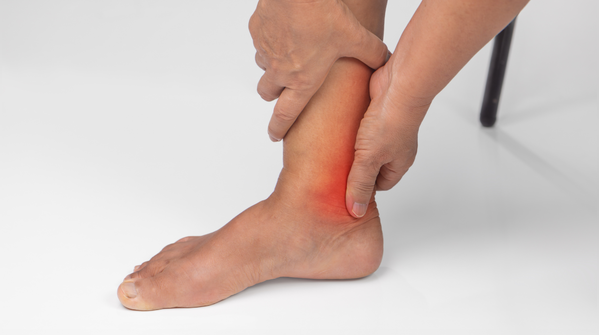
Subtle signs your uric acid levels may be rising and why you shouldn’t ignore them
Most people associate high uric acid with one dramatic symptom: a sudden, intensely painful attack of gout affecting the big toe. But what if the body sends quieter signals long before that happens?
The truth is that elevated uric acid levels often develop silently. While some people may never experience a classic gout attack, excess uric acid can still affect the kidneys, joints, blood vessels, and overall metabolic health. In many cases, the warning signs are subtle enough to be mistaken for everyday aches, fatigue, or the effects of ageing.
According to Dr Shivangi Solanki, Consultant Nephrologist and Kidney Transplant Physician, Bhailal Amin General Hospital, Vadodara, high uric acid levels should never be dismissed simply because gout symptoms are absent.
"Most people who have high levels of uric acid assume the classic symptoms of gout, a painful, swollen big toe that typically comes on suddenly and demands a doctor's immediate attention, are the only outward sign of this condition. In reality, however, high uric acid levels can cause havoc within the body without obvious clinical manifestations."
Research from the NIH confirms that excess uric acid can form crystals in joints and tissues, while poor kidney function can further worsen the problem.
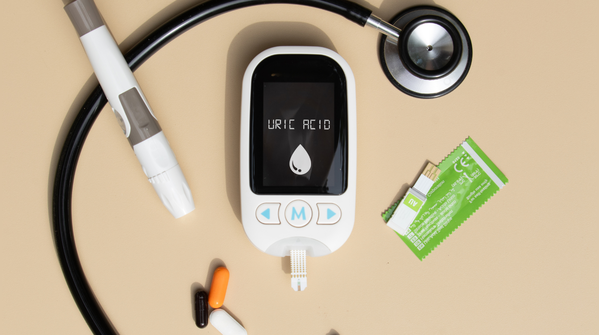
The overlooked aches that may not be "just ageing"
Many people ignore recurring body pain because it feels minor. A sore heel after a walk. A nagging wrist ache while working. A stiff ankle after waking up.
But sometimes, uric acid crystals can settle in places beyond the big toe.
Dr Solanki explained, "Persisting heel pain: chronic pain in the achilles tendon can often be mistakenly blamed on sporting injury, or a physical activity causing overuse, whereas micro-crystals of uric acid can lodge in fibres in the tendon. Often this condition improves when uric acid is treated."
One of the most striking examples from her clinical experience involved a patient whose symptoms pointed doctors in an entirely different direction.
"A clinical presentation, that can sometimes fool even medical professionals. One particular example, in a 42-year-old woman undergoing treatment before a suspected carpel tunnel operation, for persistent wrist pain, later confirmed to be due to crystals in the wrist joint. On further investigation, this woman was revealed to have high uric acid, and treatment aimed at reducing levels improved her condition, with surgery not being necessary."
These cases highlight an important fact: unexplained joint or tendon pain that lingers for months deserves proper evaluation rather than self-diagnosis.

When your kidneys ask for help
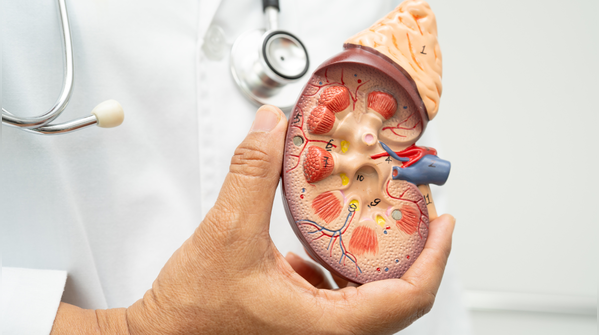
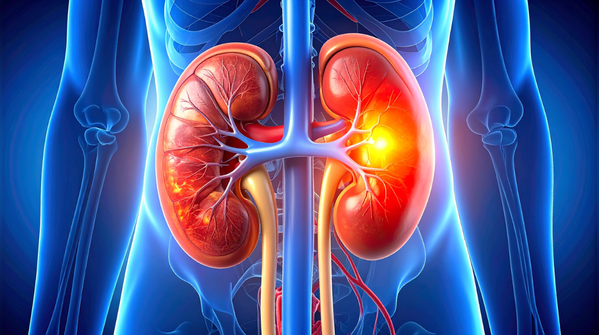
The kidneys are responsible for removing most of the uric acid produced in the body. When uric acid levels remain elevated, the kidneys often bear the burden first.
Dr Solanki noted, "Since the kidneys are the main organs involved in the elimination of uric acid from the body, they are usually the first part of the anatomy to experience ill effects from this condition."
One symptom many people overlook is a persistent, dull ache in the lower back.
"Dull lower backache: sometimes pain in the lower back is considered as simply a result of poor posture, lack of movement, or a poor mattress. A dull aching can however also be a result of minute crystals deposited within the filters of the kidney, and therefore this could signify an approaching kidney stone formation or damage."
This does not mean every backache is caused by uric acid. However, recurring lower back discomfort alongside elevated uric acid levels should not be ignored.
The surprising connection between uric acid and brain fog
Not all symptoms appear in the joints or kidneys. Some people describe feeling mentally sluggish, unusually tired in the mornings, or unable to concentrate despite adequate sleep.
Dr Solanki said, "The 'brain fog,' in particular the early morning lethargy can also be attributed to high levels of uric acid, perhaps related to a slight irritation or inflammation of blood vessels, or an alteration of circulation leading to this state of mental and physical malaise."
While brain fog can stem from many causes, including stress, poor sleep, anaemia, or thyroid disorders, persistent fatigue accompanied by elevated uric acid levels warrants discussion with a healthcare professional.
Many patients are surprised to learn that high uric acid is increasingly being studied in relation to broader metabolic health, including hypertension, obesity, insulin resistance, and cardiovascular disease.
The body rarely operates in isolated compartments. A metabolic imbalance in one area often influences several others.

The diet myths that continue to confuse people
Few health conditions attract as much dietary confusion as high uric acid.
Many individuals immediately eliminate tomatoes, spinach, lentils, or pulses after seeing a high uric acid report. However, the science is more nuanced.
Dr Solanki explained, "Dietary considerations for this condition are sometimes poorly interpreted. Foods such as dals, spinach, pulses and tomatoes, for example are considered to be high in purines, yet studies have shown that plant purines are of little concern in this condition for the most part."
She added, "However, the excessive intake of fructose from soft drinks and juices can raise levels rapidly, and also be of particular concern due to the fact that their consumption can be at the expense of other more healthy drinks. Also, an increase in alcohol consumption and dehydration."
Prevention begins long before gout develops
The most effective approach to high uric acid is preventing long-term damage before symptoms become severe.
Some practical measures include:
Drinking adequate water throughout the day.
Limiting sugary soft drinks and packaged fruit beverages.
Maintaining a healthy body weight.
Avoiding crash diets and rapid weight-loss programmes.
Limiting excessive alcohol intake.
Managing diabetes, hypertension, and kidney disease effectively.
Staying physically active on most days of the week.
Getting routine blood tests if there is a family history of gout or kidney disease.
Towards the end Dr Solanki added, "You may not be presenting with attacks of gouty arthritis but you should not therefore dismiss the fact that your uric acid levels are persistently high as it is an important and significant indication of stress on the body, which may well not be evident at present, but the long-term implications need consideration."
The absence of pain is not always a sign of good health. Sometimes, it simply means the body has not yet reached its tipping point.

Medical experts consulted
This article includes expert inputs shared with TOI Health by:
Dr Shivangi Solanki, Consultant Nephrologist and Kidney Transplant Physician, Bhailal Amin General Hospital, Vadodara.
Inputs were used to explain why supplement overdose is a big health risk and why one should consult doctor before taking natural alternatives.
Rewrite the above sentence completely to suit the below mentioned headline.
Subtle signs your uric acid levels may be rising and why you shouldn’t ignore them
Featured In Health

