
- News
- Health News
- Why standard blood tests miss early disease: Hidden risks, advanced markers that matter now, and how to choose the right tests for early detection
Why standard blood tests miss early disease: Hidden risks, advanced markers that matter now, and how to choose the right tests for early detection

How early disease slips past routine tests
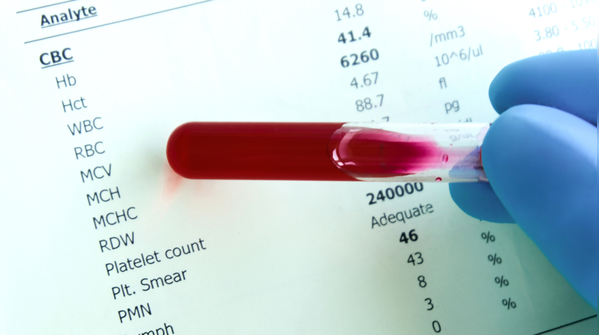
A routine blood report often brings relief. Numbers fall within range, the doctor nods, and life moves on. Yet, many people later discover a condition that had been quietly building for years. The gap lies in how early disease behaves. It rarely announces itself loudly. It whispers.
Dr Meenakshi Jain, Principal Director, Internal Medicine, Max Super Speciality Hospital, Patparganj, puts it plainly, “Standard tests might miss early disease due to subtle symptoms, limited sensitivity, and the intermittent nature of some conditions.”
That means a “normal” test result does not always mean everything is truly normal. It often means the disease has not crossed the threshold that basic tests can detect.

The comfort, and limits, of standard blood tests
Basic panels like CBC, fasting glucose, lipid profile, and liver function tests are essential. They catch clear abnormalities and guide treatment. But they are designed to detect established disease, not the earliest shifts.
Early disease behaves differently. Inflammation may rise slightly, sugar levels may fluctuate only after meals, and cholesterol particles may change in quality, not quantity. Standard tests often miss these nuances.
This is not a failure of medicine. It is a limitation of tools built for broad screening, not deep detection.
A report by the Indian Council of Medical Research highlights how non-communicable diseases like diabetes and heart disease develop silently over years before diagnosis.
Why early disease hides so well
The body is remarkably adaptive. It compensates, adjusts, and maintains balance even when something begins to go wrong.
Dr Jain explains, “Many diseases present with mild or no symptoms initially, and some conditions fluctuate, making detection challenging.”
Take insulin resistance. Blood sugar may appear normal in the morning, but spike sharply after meals. Or consider early heart disease, where inflammation rises long before arteries show blockage.
The result is a quiet phase where disease exists, but standard tests do not flag it.

The markers that matter now
Medicine is shifting from detecting disease late to identifying risk early. This shift relies on more sensitive and specific markers.
For heart health, hs-CRP measures low-grade inflammation. Lipoprotein(a), or Lp(a), reveals inherited cardiovascular risk that standard cholesterol tests miss. Advanced lipid profiles go deeper into particle size and density.
For diabetes, HbA1c shows average sugar levels over three months, while OGTT (Oral Glucose Tolerance Test) captures how the body handles sugar after a meal. Continuous glucose monitoring adds another layer, revealing daily patterns.
Cancer detection has also evolved. Markers like PSA, CA-125, CA 19-9, and CEA can signal risk earlier, though they are not standalone diagnostic tools.
These markers do not replace standard tests. They complement them, filling the blind spots.

Beyond blood: imaging and genetic clues
Sometimes, the earliest signs of disease are not in the blood at all.
Dr Jain notes, “Advanced imaging and genetic testing can identify disease predisposition or early structural changes before symptoms appear.”
Low-dose CT scans can detect lung cancer early in high-risk individuals. Mammograms catch breast cancer before it becomes palpable. MRI and specialized scans can reveal brain changes linked to neurodegenerative diseases.
Genetic testing adds another dimension. It does not diagnose disease, but it shows risk. Knowing that risk can change how often one screens and what lifestyle steps to prioritise.
Why trends matter more than single reports
A single test is a snapshot. Health, however, is a moving picture. Tracking trends over time often reveals what one report cannot. A slowly rising HbA1c, a gradual increase in CRP, or subtle lipid changes can signal trouble years before disease sets in.
This is where regular check-ups become powerful. Not because they detect disease instantly, but because they show direction.

The shift toward personalised screening
There is no single “perfect test panel” for everyone. Age, family history, lifestyle, and existing conditions all shape what should be checked.
Dr Jain advises, “Consult a specialist for personalised testing.”
A young adult with a family history of heart disease may need advanced lipid testing early. Someone with unexplained fatigue might require deeper metabolic or inflammatory markers. The future of healthcare is not more testing. It is smarter testing.
Medical experts consulted
This article includes expert inputs shared with TOI Health by:
Dr Meenakshi Jain, Principal Director, Internal Medicine, Max Super Speciality Hospital, Patparganj.
Inputs were used to explain why standard blood tests may fail to detect early disease, which advanced markers are more reliable today, and why consulting a doctor for the right tests is essential.
Featured In Health

