
- News
- Health News
- When ‘healthy’ isn’t enough: Why fit, active people are still being diagnosed with cancer and what experts say you’re missing
When ‘healthy’ isn’t enough: Why fit, active people are still being diagnosed with cancer and what experts say you’re missing
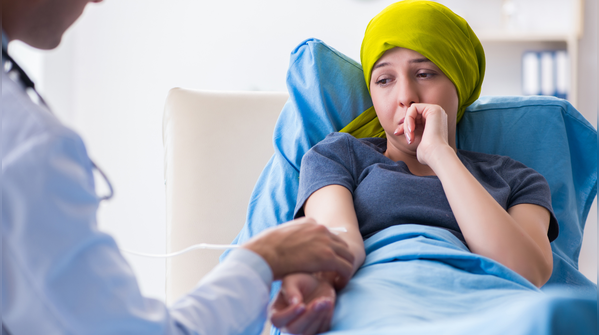
Why even ‘healthy’ people are not immune to cancer?
For years, the idea felt simple: eat well, exercise often, and disease will stay away. That belief shaped daily routines, gym memberships, and even social media trends. But something has quietly changed.
Doctors are now seeing a different pattern. People who run marathons, follow clean diets, and avoid obvious risks are still being diagnosed with cancer. It feels confusing, even unfair.
This does not mean healthy living has failed. It means the definition of “healthy” may be incomplete.

The illusion of visible fitness
A toned body often signals discipline and effort. But it does not always reflect what is happening inside.
Dr Rajeev Vijayakumar explains, “Being fit on the outside doesn’t always reflect what’s happening internally.” This gap is where many misunderstandings begin.
Blood markers, inflammation levels, and cellular changes cannot be seen in the mirror. A person may look strong, yet carry silent risks that build over time. Fitness, in this sense, is only one piece of a larger puzzle.
The rise of invisible triggers
Health risks today are less obvious than before. They do not always come from smoking or poor diet alone.
According to Dr Vijayakumar, “Things like ongoing stress, poor-quality sleep, environmental exposures, and genetics quietly influence the body over time.”
Consider daily life in urban India. Long commutes, constant screen time, and air pollution are now routine. A study published in the JAMA Network has highlighted rising cancer patterns in its reports, noting lifestyle and environmental factors as key contributors.
These triggers do not act overnight. They slowly affect how cells repair themselves and respond to damage.

Stress and sleep: The overlooked risks
Stress is often brushed aside as part of modern life. Poor sleep is worn like a badge of productivity. But both have deeper effects.
Chronic stress keeps the body in a constant alert state. This can disrupt hormones and weaken immune surveillance, which is the body’s natural defence against abnormal cells.
Sleep, on the other hand, is when repair happens. The National Institutes of Health (NIH) has linked poor sleep with disruptions in immune function and inflammation pathways.
When sleep breaks down over months or years, the body loses a critical window to reset.

Pollution and environment: The silent load
Air quality rarely feels urgent until it becomes visible. Yet, its impact runs deep.
The World Health Organization (WHO) has classified air pollution as a major environmental risk factor for cancer.
In cities, exposure is constant. Fine particles enter the lungs, trigger inflammation, and over time can damage DNA. Even those who eat clean and exercise outdoors may unknowingly increase exposure.

Genetics and early silence
Cancer does not always need a trigger. Sometimes, it follows a genetic path.
Dr Vijayakumar notes, “It’s also important to remember that early-stage cancer often doesn’t make itself obvious. People can feel completely normal and still have something developing in the background.”
Family history matters more than many realise. Yet, it is often overlooked in routine health conversations. Early-stage cancers rarely cause pain or disruption, which is why they are easy to miss.

What this means for the idea of ‘healthy’
Healthy living still matters. It lowers risk and improves quality of life. But it does not create immunity.
As Dr Vijayakumar puts it, “Healthy habits still matter a great deal, but they don’t make someone immune.”
This shift calls for a broader view. Health is not just about diet and exercise. It includes mental balance, sleep quality, environment, and awareness.

What experts say you should not ignore
There is no need for fear, but there is a need for attention.
Dr Vijayakumar advises, “What helps is staying aware—knowing family history, not skipping routine screenings, and not ignoring small, persistent changes.”
That could mean:
Tracking unexplained fatigue or weight changes
Paying attention to long-lasting digestive issues
Not dismissing unusual lumps or persistent pain
Routine screenings become essential, not optional. Early detection often makes the biggest difference.
Simple habits still hold value. Regular exercise, meditation, and consistent sleep patterns support the body’s ability to cope with hidden stressors.

A quiet but important realisation
The story is not about abandoning healthy habits. It is about expanding them.
Modern health is layered. It sits at the intersection of biology, environment, and lifestyle. Ignoring any one part creates blind spots.
So the question is not whether being healthy is enough. The real question is: what does “healthy” truly include today?
It includes awareness, not just action. And that shift could save lives.
Medical experts consulted
This article includes expert inputs shared with TOI Health by:
Dr Rajeev Vijayakumar, HOD & Sr Consultant - Medical Oncologist, Hemato Oncologist & BMT physician, Gleneagles BGS Hospital, Kengeri, Bengaluru.
Inputs were used to explain why even fit and active individuals can still be at risk of cancer and what crucial factors are often overlooked despite a healthy lifestyle.
Featured In Health

