
- News
- Health News
- Sugarcane juice is hydrating and has four essential minerals, but there's a warning you need to read
Sugarcane juice is hydrating and has four essential minerals, but there's a warning you need to read
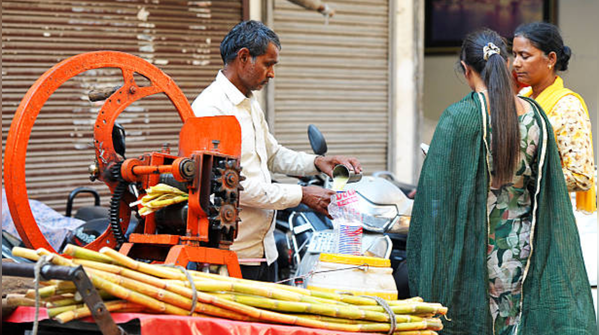
Walk past any market in India during summer and the sugarcane juice stall is impossible to miss
The machine grinds, the ice clinks, and the pale green glass lands in your hand in about forty seconds flat. It's cheap, it's cold, and on a 42-degree day it feels like exactly what your body needs. For most healthy people, that instinct isn't wrong. But there are things about sugarcane juice that the vendor isn't going to tell you, and some of them matter quite a bit.
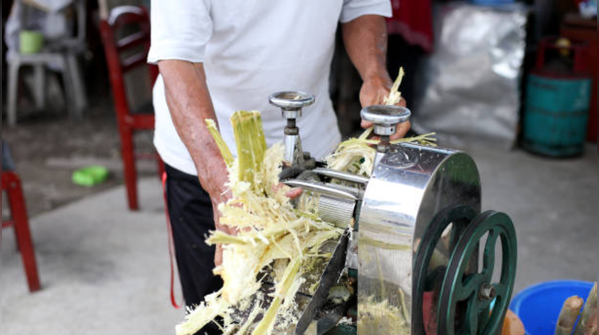
Why sugarcane juice is actually good for hydration
The fundamental case for sugarcane juice as a summer drink is straightforward. Ms. Archana, Chief Dietician at KIMS Hospitals, Mahadevapura, Bengaluru, explains it plainly: sugarcane juice consists largely of water molecules, which makes it useful for replacing the body fluids lost through sweating in extreme heat. The natural sugars in the juice also provide a quick burst of energy, which is exactly what the body needs when heat exhaustion starts to set in.
But the more interesting part is the mineral content. Sugarcane juice contains four minerals that are genuinely important for the body during summer: potassium, calcium, magnesium, and iron. Of these, potassium is especially significant. "Potassium is especially important to help regulate the body's electrolyte balance and allow the muscles and nerves to function correctly," Ms. Archana says. When you sweat heavily, you lose electrolytes, not just water. And potassium is one of the first to go. A drink that puts some of it back isn't nothing.
Sugarcane juice has none of the artificial additives, preservatives, or synthetic colours that fill most packaged soft drinks.Ms. Archana is clear on this: it can be a healthy alternative to artificially sweetened soft drinks. But she's equally clear on its limits. "It should never replace plain water. Water is always the best and most effective way to stay hydrated throughout each day." Sugarcane juice is a supplement to a hydrated day, not a substitute for one.

The sugar problem: What the science actually says
A 2020 study examining the glycemic response of natural sweeteners including sugarcane juice, honey, and jaggery found that sugarcane juice produced blood glucose values that peaked at around 102 mg/dL at 30 minutes after consumption, compared to the fasting baseline of 83 mg/dL in healthy individuals. That's a meaningful spike, albeit lower than the response to dextrose or jaggery.
In someone with diabetes, insulin resistance, or prediabetes, the same glass of juice can cause a spike that the body simply can't manage cleanly. The glycemic load of sugarcane juice, which accounts for actual portion size rather than just the theoretical index, is high enough that regular consumption in people with impaired glucose metabolism poses real risks.
Ms. Archana's position on this is unambiguous. "Individuals with diabetes, insulin resistance or trying to control their blood sugars should be careful as sugarcane juice does have a high amount of natural sugar. Consuming too much could cause their blood sugar levels to spike." She also adds that the caloric load is real: large amounts of juice add up in ways that are easy to underestimate on a hot day when thirst overrides awareness.
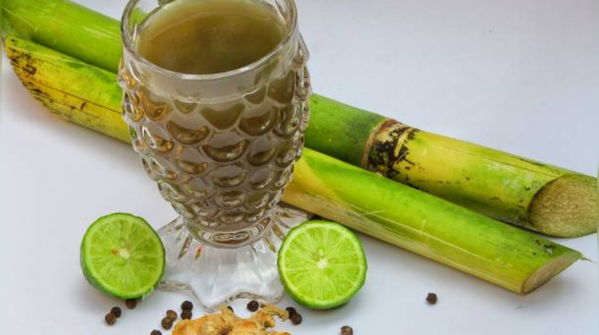
The hygiene issue nobody talks about
There's a second warning that gets far less attention than the sugar question, but it matters just as much, possibly more, depending on where you're buying from.
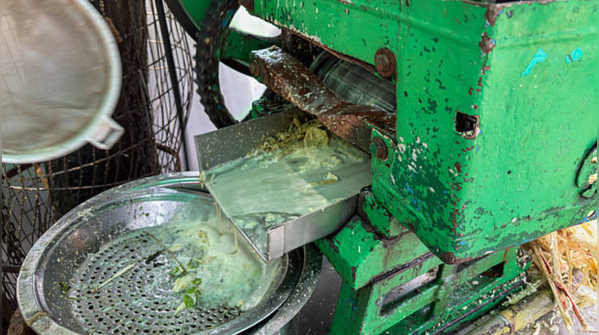
Sugarcane juice is prepared fresh, pressed at the point of sale, and served immediately. In a clean environment, with properly maintained equipment and fresh cane, this is fine. The problem is that not all vendors maintain those conditions consistently. Contamination from dirty machinery, water used to dilute the juice, or improperly stored ice can introduce bacteria that cause stomach infections. Ms. Archana is direct about the risk: "If the juice that vendors sell on the roadside is not prepared correctly, they may become contaminated. This could lead to stomach infections during the summer months."
The solution isn't necessarily to avoid sugarcane juice altogether, but to be selective about the source. A vendor with a consistently high turnover of fresh cane, visibly clean equipment, and a reputation in the area carries a different risk profile from a roadside stall where the machinery looks like it hasn't been cleaned since the previous summer.
How to drink it without the downside
For healthy adults without blood sugar concerns, a single standard glass of sugarcane juice once in a while during peak summer heat is unlikely to cause harm and may genuinely help with hydration and electrolyte replenishment. The key words there are healthy, without blood sugar concerns, once in a while, and single glass.
Ms. Archana's guidance is practical: moderation, hygiene, and keeping water as the primary hydration source throughout the day. Don't let the sweetness convince you that your hydration needs are met. Sugarcane juice contributes to fluid intake, but it also contributes sugar, and those two things need to be balanced against each other.
Featured In Health

