
- News
- Health News
- It’s probably nothing': How self-diagnosis is causing Indians to miss early warning signs of serious illness
It’s probably nothing': How self-diagnosis is causing Indians to miss early warning signs of serious illness

When an internet search becomes a medical opinion
A dull headache is dismissed as stress. Frequent fatigue is blamed on lack of sleep. Persistent acidity is treated with antacids bought from a nearby pharmacy. For many people, these decisions seem practical, harmless, and cost-effective.
But doctors say this habit is becoming increasingly common and increasingly risky.
The internet has made health information available within seconds. A symptom checker, a viral health reel, or advice from an online forum can often feel more convenient than booking a medical appointment. Yet medicine is rarely as straightforward as a search result.
The same symptom can point to several completely different conditions. A recurring headache could be linked to poor sleep, but it could also signal uncontrolled blood pressure, migraine, vision problems, or, in rare cases, neurological disorders. Breathlessness may be anxiety in one person and heart disease in another. That, experts say, is where the problem begins.
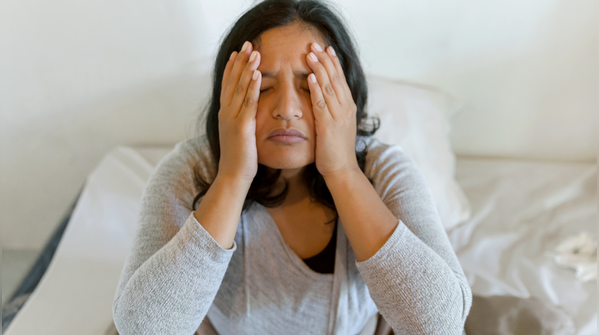
The symptoms we ignore are often the ones that matter most
According to Dr Niraj Kumar, Senior Consultant - General Medicines, Shardacare-Healthcity, many serious illnesses begin with symptoms that appear harmless.
"A headache becomes 'just stress.' Chest discomfort is brushed aside as acidity after a quick internet search. Fever? Most people assume it is viral and wait it out with over-the-counter medicines."
He also said that doctors across India are increasingly seeing patients who arrive for treatment only after weeks or even months of self-management.
"Easy access to health information has made people more aware about symptoms and diseases, but awareness without medical guidance can also create dangerous assumptions."
The concern is not that people are reading about their health. The concern is that many stop there.
Several conditions, including diabetes, hypertension, kidney disease, certain cancers, and heart disorders, can progress quietly in the early stages. By the time symptoms become severe enough to force a hospital visit, treatment may become more complicated, more expensive, and sometimes less effective.
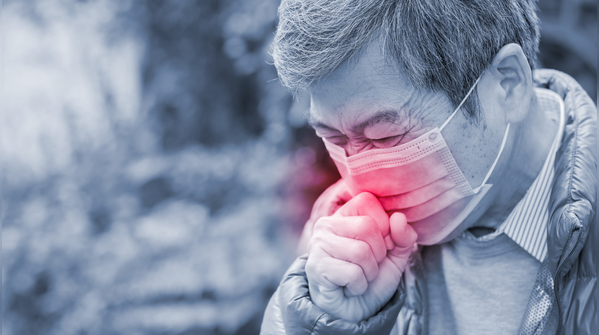
The dangerous comfort of self-medication
Self-medication often creates a false sense of recovery.
A painkiller reduces discomfort. An acidity tablet settles stomach pain. An antibiotic purchased without a prescription appears to improve symptoms temporarily. The underlying illness, however, may continue to progress unnoticed.
Dr Kumar pointed out that this pattern is becoming increasingly common.
"Doctors are particularly concerned about the unchecked use of antibiotics, painkillers, steroids, and acidity medicines without proper medical advice."
"In many cases, these medicines temporarily suppress symptoms, giving patients a false sense of recovery while the actual illness continues to worsen in the background."
This is especially concerning when symptoms involve warning signs such as persistent fever, chest pain, unexplained weight loss, weakness, recurrent vomiting, breathlessness, dehydration, slurred speech, or sudden neurological changes.
In emergency departments, doctors frequently encounter patients who initially attempted to manage these symptoms at home. By the time professional care is sought, valuable treatment time may have already been lost.
Research published in the medical literature has found that self-medication in India is associated with adverse drug reactions, medication interactions, treatment failures, and, in some cases, serious health complications.

Antibiotic resistance
One of the biggest concerns surrounding self-medication is the misuse of antibiotics.
Many people start antibiotics without proper testing. Others stop treatment midway as soon as they feel better. Some reuse old prescriptions or rely on recommendations from friends and family.
Doctors say this behaviour does not just affect an individual patient. It affects society as a whole.
"Antibiotic misuse has become another major concern. Taking antibiotics unnecessarily or stopping them midway can increase antibiotic resistance, making future infections harder to treat."
Health experts warn that if antibiotic resistance continues to rise, routine infections that are easily treatable today may become far more difficult and expensive to manage in the future.
The issue extends beyond hospitals. Every unnecessary antibiotic consumed today potentially reduces the effectiveness of that medicine tomorrow.
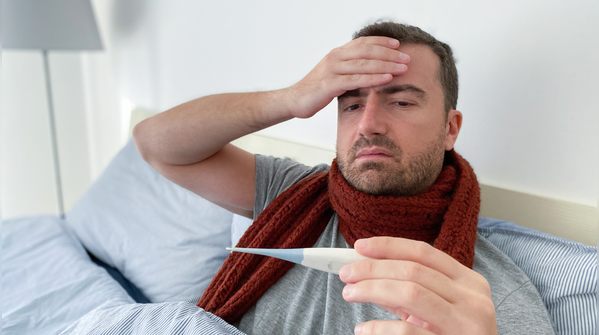
Awareness is helpful. Replacing doctors is not.
Medical experts are not asking people to stop reading about health.
In fact, informed patients often have better discussions with their doctors and make more confident decisions about their care.
The problem arises when online information replaces professional evaluation.
As Dr Kumar explained, "Doctors say there is nothing wrong with reading about health online — as long as it does not replace professional evaluation."
"The internet can help people ask better questions, but it cannot examine a patient, assess severity, or identify hidden complications. That requires clinical judgment."
He added, "Experts advise people not to ignore symptoms that persist, worsen, or repeatedly return. In medicine, early intervention often makes the biggest difference. Waiting for symptoms to 'settle on their own' may sometimes cost valuable treatment time."
There is a significant difference between being informed and being diagnosed. One empowers better healthcare decisions. The other can delay them.
The reality is that diseases do not follow internet algorithms. They follow biology. And biology often requires a trained eye to interpret what symptoms are really trying to say.

The real cost of waiting
Many people self-medicate because they want to save time, avoid consultation fees, or hope a problem will simply disappear.
Ironically, delayed treatment often ends up costing far more.
A condition that might have required a simple consultation and basic treatment can progress into a medical emergency, prolonged hospital stay, or chronic health problem. Beyond financial costs, there is also the emotional burden on patients and families who wonder whether an earlier diagnosis could have changed the outcome.
Health awareness is undoubtedly a positive development. But awareness works best when it becomes the first step toward professional care, not the final step.
Because when it comes to health, the biggest risk is often not the illness itself. It is assuming the illness is something else.

Medical experts consulted
This article includes expert inputs shared with TOI Health by:
Dr Niraj Kumar, Senior Consultant - General Medicines, Shardacare-Healthcity.
Inputs were used to examine the growing trend of self-diagnosis and self-medication in India, highlighting how delaying professional medical consultation can allow serious health conditions to worsen, increase treatment complications, and reduce the chances of timely intervention.
Featured In Health

