
- News
- Health News
- Hair fall and irregular periods? Doctors say this mineral could be the missing link: Here’s how to fix it
Hair fall and irregular periods? Doctors say this mineral could be the missing link: Here’s how to fix it

Experts explain how zinc deficiency may be silently affecting women’s health
Hair fall that won’t stop. Periods that arrive late, or not at all. Skin that suddenly breaks out. Many women blame stress, age, or “just hormones.” But doctors say one small mineral may quietly sit at the centre of it all: zinc.
This trace mineral works behind the scenes. It regulates hormones, supports immunity, and helps cells repair. And yet, zinc deficiency often goes unnoticed — especially among women.

Why zinc deserves more attention
Indian Council of Medical Research notes in its nutrient guidelines that adult women need around 8-12 mg of zinc daily, depending on age and physiological status. Yet intake often falls short, particularly in vegetarian-heavy diets where absorption may be lower.
National Institutes of Health also highlights zinc as essential for immune cell development, wound healing, DNA synthesis, and reproductive health.
Despite these recommendations, zinc rarely gets the same attention as iron or calcium. That gap may be costing women their hormonal balance.
Dr Inshara Mahedvi, Consultant Dietician & Nutritionist at Motherhood Hospital, Pune, explains, “Zinc is as important as other minerals. A majority of women are unaware of zinc deficiency and fail to include it in their daily diet. Women should make sure to include zinc on a daily basis, as it also supports white blood cell function and manages inflammation. It helps to maintain reproductive health and helps foetal growth during the critical time of pregnancy.”
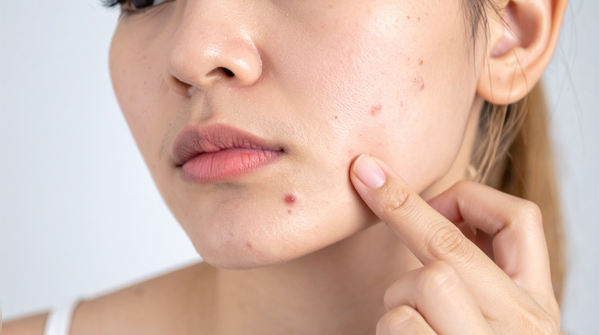
Hair fall, acne, irregular periods
Hormones such as estrogen and progesterone need precise regulation. Even slight imbalances can disrupt cycles and skin health.
Dr Shabana Parveen, Head Dietetics at Artemis Hospitals, says, “Zinc helps keep hormones like estrogen and progesterone in check. It helps with healthy ovulation, eases PMS symptoms and might even help with acne caused by hormonal imbalance. Zinc is also important for the thyroid which has a direct effect on metabolism and energy levels.”
When zinc levels drop, ovulation may become irregular. PMS symptoms can intensify. Acne may worsen. Hair follicles may weaken.
Low zinc can also affect thyroid hormones, which influence energy and menstrual rhythm. That explains why fatigue and cycle irregularity often show up together.

The immunity factor women often ignore
Repeated infections, slow wound healing, and frequent colds may not just signal a weak immune system. They may point to low zinc.
Zinc supports white blood cells, which fight infections. It also reduces inflammation and speeds tissue repair. When levels fall, the body struggles to defend itself.
Dr Inshara Mahedvi notes, “Zinc deficiency can cause infections, unintentional weight loss, and frequent infections. Hence, it is time to pay attention to the zinc requirement and seek help from an expert regarding the recommended quantity for women.”
For women juggling work, family, and stress, immunity often takes a hit first.

Fatigue that feels “unexplained”
Constant tiredness is one of the most overlooked signs of micronutrient deficiency.
Clinical Nutritionist Charu Dua from Amrita Hospital, Faridabad, says, “Zinc is not just an immunity mineral; it is deeply connected to hormonal harmony in women. It supports reproductive health, helps manage PMS symptoms and contributes to better skin and hair health. Women who experience irregular cycles, PCOS-related concerns or recurrent infections should ensure adequate zinc intake through a balanced diet. However, supplementation must always be personalised and taken only after professional consultation.”
Even mild deficiency may affect mood, energy levels, and stress response. Over time, it can influence fertility patterns and skin clarity.
Who is more at risk?
Certain groups may struggle more with zinc deficiency:
Women with heavy menstrual cycles
Those following strict vegetarian or vegan diets
Women with PCOS
Individuals under chronic stress
Pregnant women
Plant-based diets contain zinc, but absorption may reduce due to phytates in grains and legumes. Soaking beans and seeds before cooking can improve bioavailability. Pairing zinc-rich foods with protein also enhances absorption.

Zinc-rich foods that actually help
Instead of chasing supplements immediately, doctors recommend strengthening daily meals.
Here are practical, accessible options:
Plant-based sources
Pumpkin seeds
Chickpeas and lentils
Cashews and almonds
Spinach and mushrooms
Whole grains like brown rice and quinoa
Animal-Based Sources
Oysters and shellfish
Eggs
Yogurt and dairy
Lean meats
Crab
Dr Shabana Parveen adds, “It's important to eat foods high in zinc every day because the body doesn't store zinc for long.”
That single fact explains why daily intake matters more than occasional correction.
Restoring zinc the right way
Fixing deficiency requires more than random supplementation.
Doctors advise:
Testing levels if symptoms persist
Improving diet diversity first
Avoiding self-prescribed high-dose supplements
Consulting a qualified nutrition expert
Excess zinc can interfere with copper absorption and cause digestive issues. Balance matters.

What should be noticed?
Sometimes better health does not demand drastic change. It asks for correction of a quiet gap.
If hair feels thinner, periods seem unpredictable, and energy runs low, the answer may not lie in complicated hormone panels. It could begin with a mineral that the body cannot store for long but cannot function without.
Zinc may be small, but its absence speaks loudly.
Medical experts consulted
This article includes expert inputs shared with TOI Health by:
Dr Inshara Mahedvi, Consultant Dietitian & Nutritionist at Motherhood Hospital, Pune
Dr Shabana Parveen, Head of Dietetics at Artemis Hospitals
Nutritionist Charu Dua from Amrita Hospital, Faridabad
Inputs were used to explain why supplement overdose is a big health risk and why one should consult doctor before taking natural alternatives.
Featured In Health

