
- News
- Health News
- Going outdoors this summer? Doctor warns heat and UV rays may be harming your eyes more than you realise
Going outdoors this summer? Doctor warns heat and UV rays may be harming your eyes more than you realise
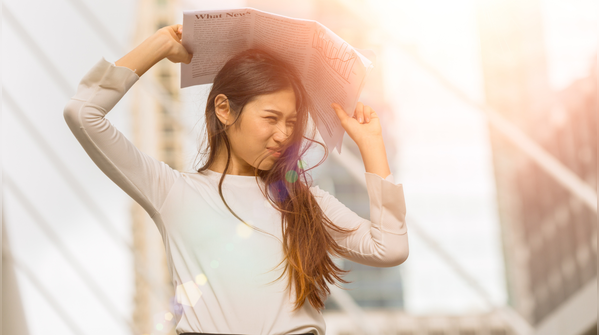
The summer problem nobody talks about enough
Summer arrives with bright skies, vacations, mangoes, and long afternoons outdoors. But behind the warmth and sunlight is another reality that many people ignore until discomfort begins, eye strain and heat-related eye problems.
People who spend long hours outside, whether traffic police officers, street vendors, delivery workers, construction labourers, athletes, farmers, or even daily commuters, expose their eyes to more stress than they realise. The combination of ultraviolet rays, hot dry winds, sweat, dust, pollution, and dehydration creates the perfect conditions for eye irritation.
What makes it more concerning is that eye damage caused by sunlight often builds slowly. The discomfort may begin with redness or itching, but years of exposure can increase the risk of serious conditions affecting vision.
Why summer heat can be harsh on the eyes
Many people connect heat waves with dehydration or skin burns, but the eyes are equally vulnerable. Unlike skin, the eyes have a delicate protective tear layer that can dry up quickly in extreme temperatures.
According to Dr Priyanka Singh, Consultant & Eye Surgeon, Neytra Eye Centre, New Delhi, “Hot, dry wind tends to evaporate moisture from the eyes faster than normal which can cause irritation, redness, and blurred vision. Moreover, due to harsh sunlight and UV rays at peak, individuals working outdoors are more prone to conditions like dry eyes, allergies, styes and eye infections during summer.”
The problem becomes worse in Indian cities where heat combines with air pollution and dust particles. Constant exposure can leave the eyes feeling gritty, itchy, or unusually tired by evening.
Research from the National Eye Institute also highlights that ultraviolet radiation from the sun can damage eye tissues over time and contribute to cataracts and age-related macular degeneration.
For people who work outside every day, this is not occasional exposure. It becomes a repeated daily assault on eye health.
The hidden damage UV rays can cause over the years
One of the biggest misconceptions is that sunglasses are only fashion accessories. In reality, proper eye protection works much like sunscreen for the eyes.
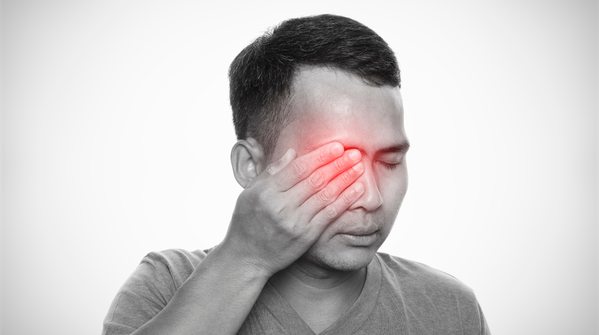
Dr Priyanka Singh explains, “Additionally, prolonged exposure to ultraviolet rays can harm the surface of the eyes and it may increase the risk of conditions like photokeratitis (sunburn of the eye), pinguecula, and pterygium. Over time, UV damage can increase your risk of developing cataracts and macular degeneration, both of which can lead to vision loss.”
Photokeratitis, often called sunburn of the eye, can cause intense pain, watering, blurred vision, and temporary sensitivity to light. People who spend entire afternoons outdoors without protection are at a greater risk.
What is worrying is that UV damage is cumulative. The effects may not show immediately in younger years, but prolonged exposure slowly affects eye tissues. According to the World Health Organization (WHO) UV Radiation Report, up to 20 percent of cataract cases may be linked to excessive UV exposure.
This is why eye specialists increasingly recommend year-round eye protection instead of using sunglasses only during vacations or beach trips.
Simple summer habits that can save your eyes
Protecting the eyes during summer does not require expensive treatments. In most cases, small daily habits make the biggest difference.
Dr Priyanka Singh advises, “When outdoors, protect your eyes in extreme heat by following these simple habits.”
She recommends:
Choosing sunglasses that block 100 percent UVA and UVB rays
Preferring wraparound styles that block sunlight and dust from all angles
Pairing sunglasses with a wide-brimmed hat or cap
Staying hydrated and drinking at least 8 to 10 glasses of water daily
Limiting caffeine intake
Avoiding touching or rubbing the eyes with unclean hands
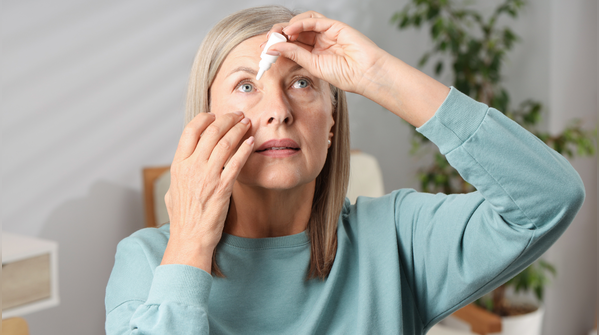
Using lubricating eye drops to keep the eyes moist
Avoiding direct sunlight during peak hours between 10 am and 4 pm whenever possible
Hydration plays a larger role in eye comfort than most people realise. When the body loses water during excessive sweating, tear production may also reduce, increasing dryness and irritation.
Eye specialists also suggest washing the face and eyelids gently after returning indoors. Dust and allergens tend to collect around the lashes and eyelids throughout the day, especially during dry weather.
Another overlooked habit is avoiding cheap sunglasses sold without UV protection labels. Dark lenses without UV filters can actually worsen damage because they cause the pupils to dilate, allowing more harmful rays into the eyes.
Outdoor workers and athletes need more attention than others
Summer eye care advice is often generalised, but some groups face much higher risks than others.
Construction workers, traffic personnel, delivery riders, farmers, street vendors, and athletes may spend six to ten hours under direct sunlight almost every day. Heat reflected from roads, concrete surfaces, and metal structures further increases UV exposure.
Children playing outdoor sports are also vulnerable because young eyes absorb more ultraviolet radiation than adult eyes. Yet very few schools or sports programmes actively discuss eye protection.
People who wear contact lenses outdoors for long periods may experience additional discomfort due to dryness and heat. In such cases, doctors often recommend lubricating drops and reducing unnecessary lens wear during peak summer afternoons.
The larger issue is awareness. Many individuals continue tolerating redness, watering, or blurry vision as “normal summer irritation” instead of recognising them as warning signs.
Healthy eyes need protection, not just treatment
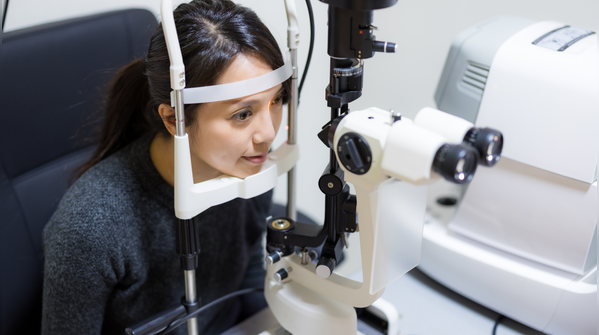
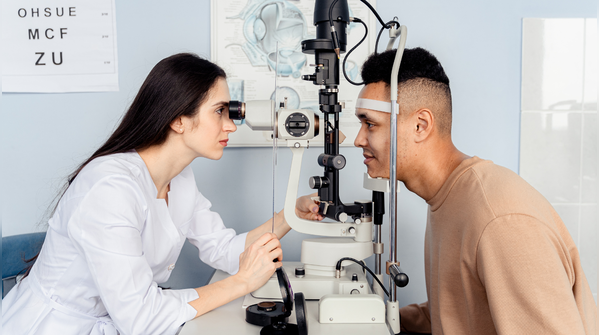
Most people visit an eye doctor only after pain or vision problems begin. But eye care works best when it becomes preventive rather than reactive.
Summer should be treated as a season that demands extra attention for the eyes, just like skin protection or hydration. Something as simple as carrying protective sunglasses, drinking more water, or resting the eyes in shade can reduce long-term strain significantly.
The eyes work silently every single day. Often, they are cared for the least.
And perhaps that is the reminder summer heat brings every year.

Medical experts consulted
This article includes expert inputs shared with TOI Health by:
Dr Priyanka Singh, Consultant & Eye Surgeon, Neytra Eye Centre, New Delhi.
Inputs were used to explain how prolonged sun exposure, heat, UV rays, and dry weather during summer can affect eye health, along with expert-backed tips to protect the eyes while spending long hours outdoors.
Featured In Health

