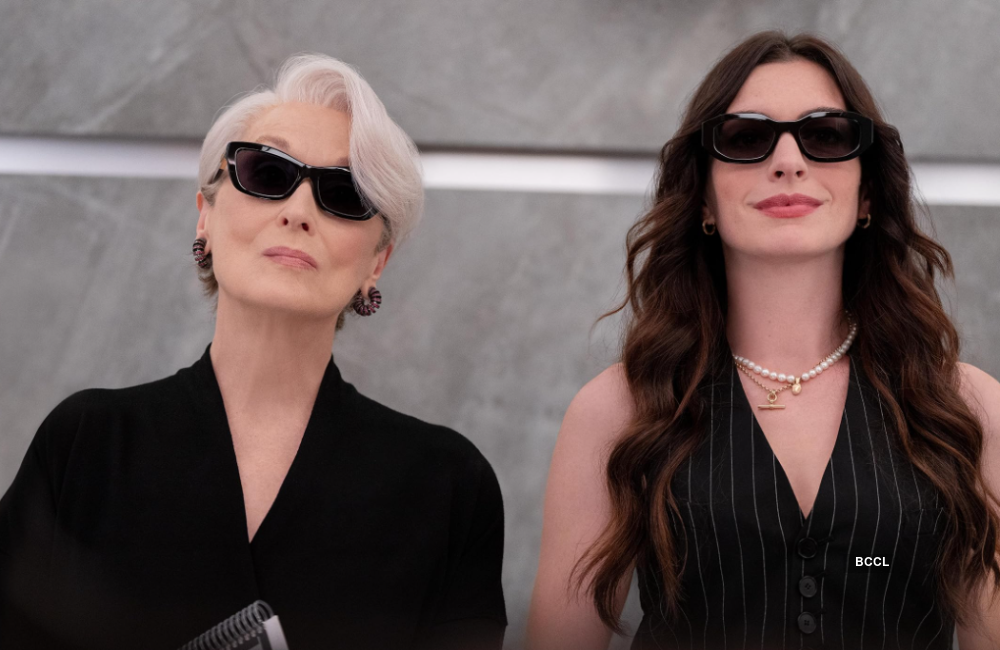
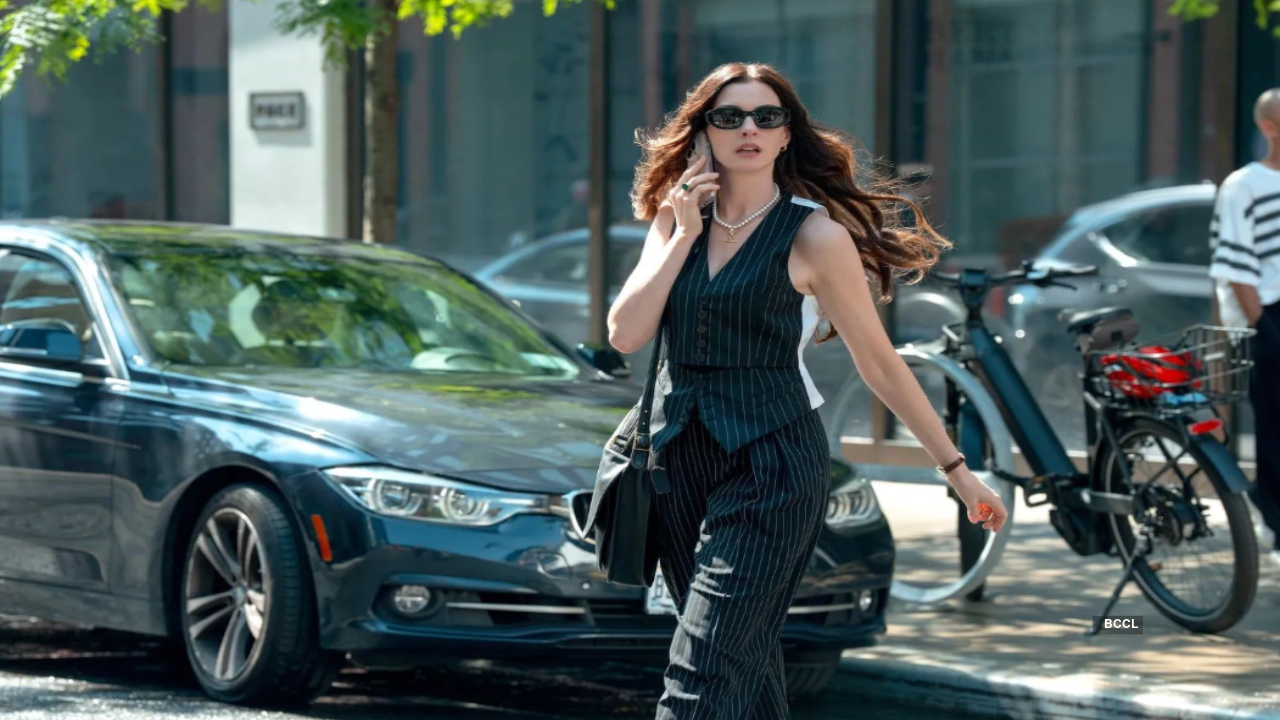
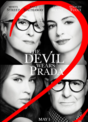
Story: An editorial crisis pushes Runway, a legacy fashion magazine grappling with ownership changes and survival challenges, to bring back Andy Sachs (Anne Hathaway), now an experienced journalist tasked with rebuilding its narrative and image. Can she reunite with her former boss, Miranda Priestly (Meryl Streep), years after walking away?
Review: “It’s nice to be important, but it’s more important to be nice.” In an industry as cutthroat as media, this sentiment often runs cold. Success is frequently associated with being sly and ruthless, but journalist Andy Sachs (Anne Hathaway), now in her 40s, continues to see it differently.
It’s been two decades since she left the job she was once told “a million girls would kill for.” Despite her turbulent stint as an assistant at Runway, a prestigious New York fashion magazine, Andy chooses to return. She still sees the good in people, even her former boss, the formidable Miranda Priestly (Meryl Streep). She lets Miranda’s undeniable professional brilliance temper her notoriously acid-tongued demeanor, believing that beneath the severity lies someone shaped by her own struggles.
Andy’s return to Runway reunites her with Nigel (Stanley Tucci), the ever-loyal art director. Despite having been sidelined by Miranda once, Nigel remains devoted, accepting his place in her shadow while quietly hoping she is capable of change. Emily (Emily Blunt), however, stands in stark contrast. Having moved on from Runway into retail, she has little patience for nostalgia or generous reinterpretations. To her, Miranda is not a misunderstood icon, but someone whose downfall feels inevitable.
When a crisis brings the four back together, old loyalties and unresolved tensions resurface. Together, they are compelled to confront not only their pasts but also the shifting realities of modern media and to question what it truly takes to survive, and remain human, in an ever-evolving industry.
The Devil Wears Prada 2 practices exactly what it preaches. After returning to Runway from a more serious-minded publication, Andy learns that journalism is no longer just about telling meaningful stories, t’s about ensuring those stories are actually read. No matter how sincere or relevant, content must be compelling and click-worthy, even for a legacy media house. The film mirrors this reality, balancing audience expectations with the story it wants to tell. The result is a fun, somewhat predictable yet worthy successor, one that pays homage to its predecessor while highlighting a pressing concern: the dire state of print media.
From AI and advertisers influencing editorial decisions, to sudden newsroom downsizing, the rise of sensationalism, and the relentless pressure of digital platforms eroding legacy media’s authority, the film skims through urgent issues much like flipping through a glossy magazine spread. It raises valid concerns but rarely pauses to unpack them, choosing to maintain a light, accessible tone. Where the first The Devil Wears Prada explored Andy’s inner conflict between personal values and professional ambition with nuance, the sequel unfolds more like a checklist of ideas. The treatment can feel slightly hurried, but the performances keep it grounded.
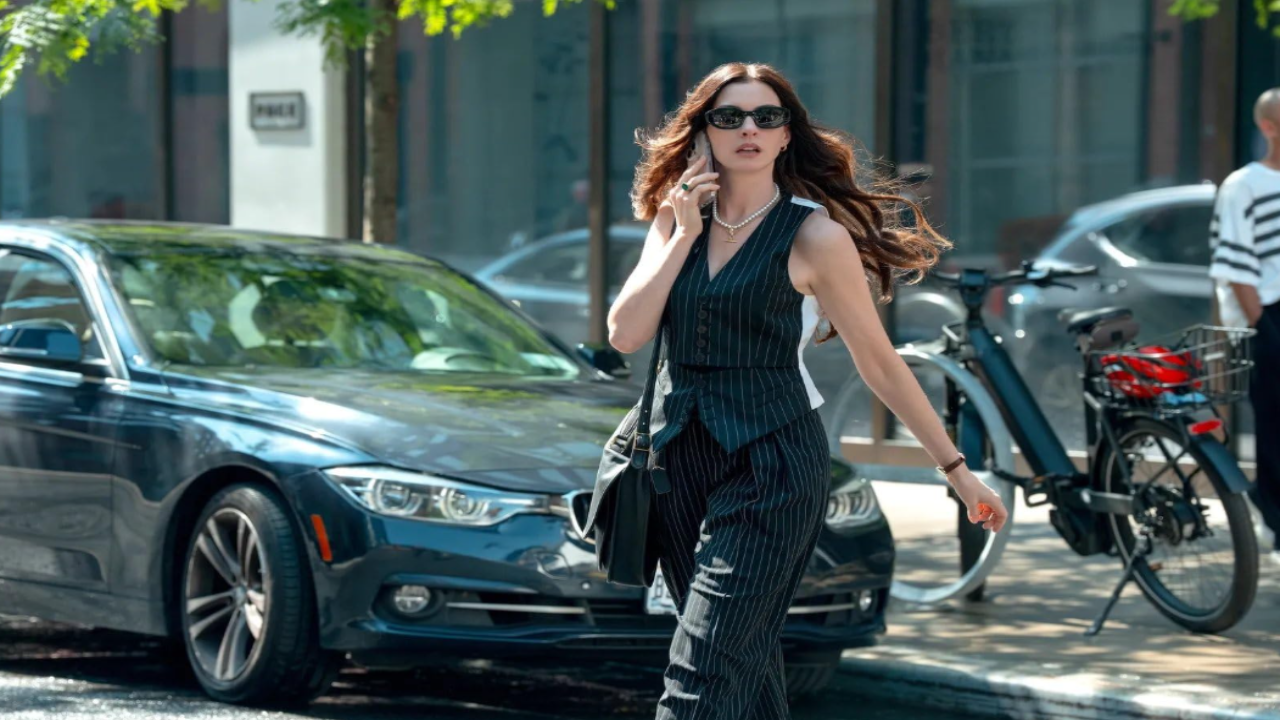
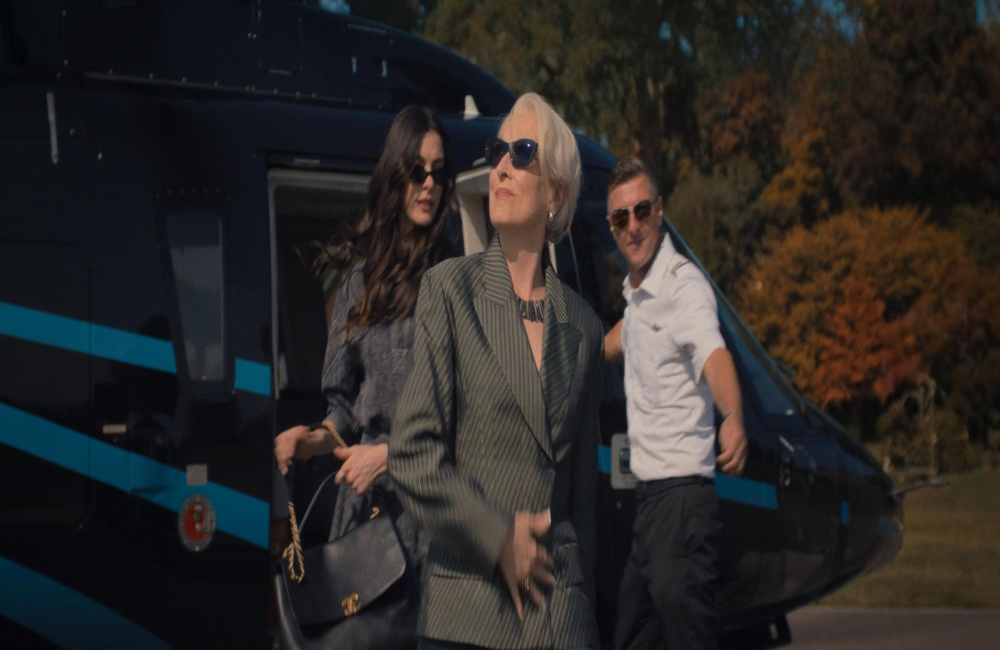
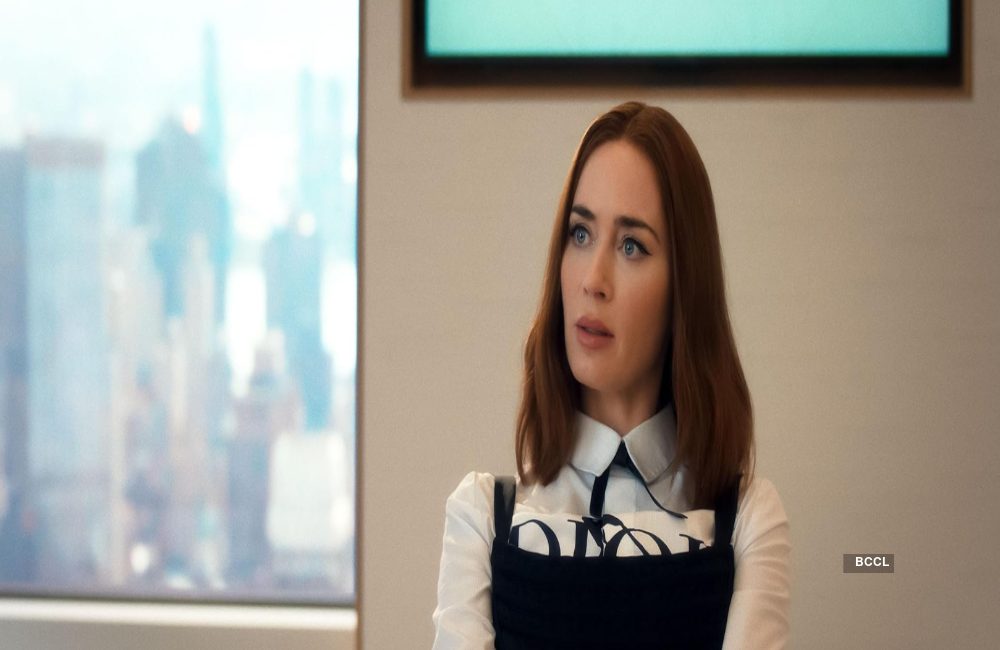
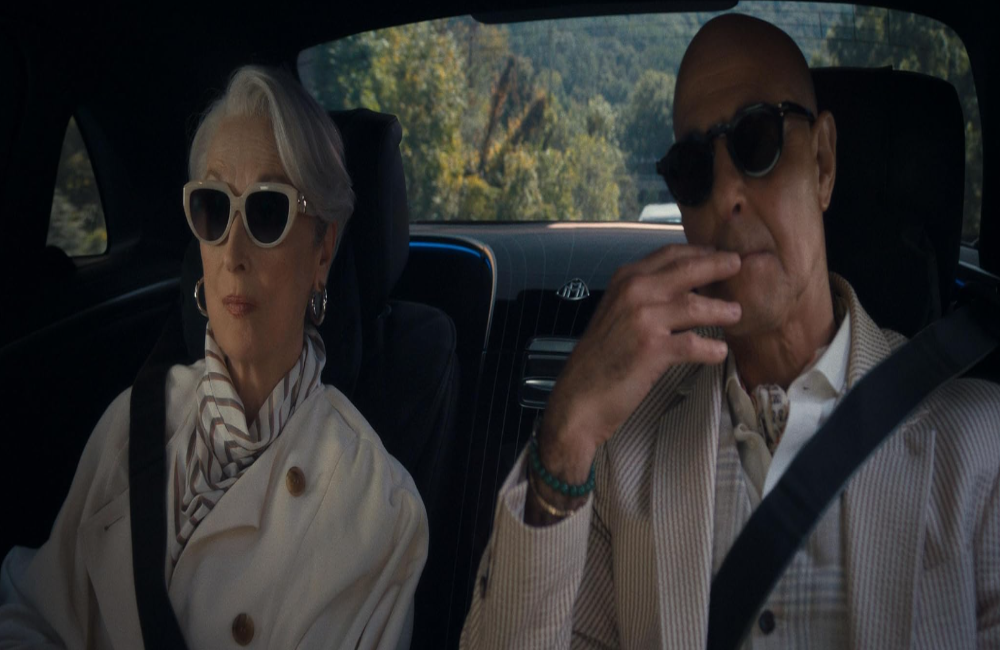
Anne Hathaway is delightful as Andy, the wide-eyed idealist who refuses to turn cynical, even as she rises through the ranks. Meryl Streep owns the screen with effortless authority and undeniable star power. Her new scathing one-liners like “You are not a visionary. You are a vendor”, land with impact and define the franchise’s legacy. Emily Blunt slips back into her role with ease, serving signature eye-rolls and razor-sharp scepticism, while Stanley Tucci remains the mentor figure everyone wishes they had. The film is packed with cameos, but Lady Gaga steals the spotlight. Simone Ashley, as Miranda’s new Emily, adds a fresh edge, tasked with keeping her boss in check, nudging her towards political correctness, and helping her navigate the new-age cancel culture and body positivity.
In a world full of Emily in Paris and its ilk, The Devil Wears Prada remains the OG. It isn’t turquoise or lapis—it’s cerulean, and it leaves women with a lingering thought: you don’t need anyone; you are enough.




















































































































0/5