
Top 9 cancer moves that might prove ‘more dangerous’ than cancer itself: From ignoring signs to choosing alternative treatments

These cancer moves that might prove ‘more dangerous’ than cancer itself
There’s no denying that cancer is one giant, terrifying word for this world. No matter how strong and resilient one might look from the outside, and be prepared to go through the journey, there are times it does take its toll. But there are times, for a lot of oncologists, it’s not always the cancer itself that’s most dangerous.
Yes, sometimes, the bigger threat comes from what people do after symptoms show up or once they’re diagnosed. Honestly, it’s those decisions that can really make things worse.
Recently, that warning got a fresh boost when “The Cancer Doctor,” a cancer specialist known for sharing advice online, listed his “top five cancer moves” that worry him the most. Maybe the label sounds a bit dramatic, but it’s based on decades of research that early detection and fast treatment save lives. Waiting around makes things way harder. Across the globe, doctors are still seeing patients who ignore symptoms, cancel appointments, gamble on miracle cures, or walk away from solid medical treatments. Sadly, cancers that could’ve been manageable end up much tougher by the time help is finally sought.
Basic logic backs this up: Delays in diagnosis usually mean cancer shows up later, when treatments don’t work as well, and survival drops. The real tragedy? Most of these delays are completely preventable.
Here’s what cancer specialists say are the biggest mistakes.

Choosing alternative treatments over real medical care
This is probably the number one headache for cancer doctors, when patients ditch medical treatment in favor of “alternative” therapies. Now, things like yoga, meditation, or nutritional support absolutely help people cope with side effects or just feel better overall. But experts make it clear: there’s a huge difference between using these as complements (with treatment) versus substitutes (instead of treatment).
In India, the especially sad stories come from people who travel to Himachal Pradesh for alternative therapies, skipping conventional care. In most cases, by the time they return, their cancer might become incurable, and their family might have to spend a fortune on remedies that wouldn’t likely work. Cancer doctors stress this all the time: Most alternative therapies don’t cure cancer. If you replace evidence-based medicine with unproven treatments, you risk letting the disease run wild.
Organizations like the American Cancer Society keep warning us that delaying proven treatments in favor of alternatives leads to worse survival rates. Missed windows for surgery, chemo, or radiotherapy can’t be reopened. There’s real data: Patients who picked alternative medicine had a much higher risk of death than those sticking to standard care.
One study, published in JAMA Oncology in 2018, looked at 258 patients who had used these therapies with at least one standard treatment, compared to 1,032 who only received conventional care. The study found a smaller proportion of those who received such treatment had survived five years after beginning treatment - 82.2% compared to 86.6%. They were found to be more than twice as likely to die at any point over the course of the nine-year study, as a result of either refusing or delaying standard treatment.
Despite such proof and numbers, the problem is that alternative therapies often lull people into false security. By the time they realize things have gone south, it’s usually too late for effective treatment.

Thinking weight loss is always a good thing
Then, there’s this case where significant weight loss from GLP-1 medication can turn out to be pancreatic cancer, as research underlines. Unexplained weight loss pops up with all sorts of cancers, like pancreatic, stomach, lung, colorectal, and while everyone likes shedding pounds, losing weight for no apparent reason can signal trouble.
Doctors recommend getting checked out if you drop weight without trying, especially if it happens alongside fatigue, tummy pain, appetite shifts, or digestive issues.

Letting cancer put life on hold
Another scenario hits hard, where the patient might get retired, planning travels, only for cancer to show up weeks later and derail all those dreams. This isn’t exactly a mistake; it’s a reminder that cancer is sneaky, often developing without obvious symptoms, and that regular screenings really matter.
Health authorities push screenings for breast, cervical, colorectal, and other cancers. Catching them early means less aggressive treatment and better chances.

Ignoring bleeding or ‘embarrassing’ symptoms
A lot of people wave away minor or awkward symptoms. If someone ignores rectal bleeding for months, that doesn’t take away the high possibility of getting diagnosed with rectal cancer — it only delays the actual diagnosis. And the truth is, bleeding isn’t always cancer — it could be hemorrhoids or fissures, as well. But persistent unexplained bleeding needs a doctor, not a DIY diagnosis.
This goes for any strange symptom: think coughs that won’t quit, lumps, trouble swallowing, bowel habit changes, weird vaginal bleeding, lasting pain, or non-healing sores. Don’t just assume everything’s harmless or extremely terminal.

Extreme detoxes and cleanses that weaken the body
Another kind of alarming case shows up when someone is malnourished from harsh detox routines to the extent that doctors cannot start treating them for certain diseases. Nutrition is one of the most critical aspects, especially if you’re getting cancer treatment, because you need enough calories, protein, and nutrients to handle surgery, chemo, or radiation. Prolonged fasting or unregulated cleanses can strip your strength at the worst possible time.
In all truth, your liver and kidneys do all the natural detox your body needs. Commercial cleanses haven’t been proven to remove toxins, but malnutrition absolutely makes things worse.

Ignoring symptoms and hoping they’ll vanish
So many people shrug off persistent symptoms, hoping they’ll just go away. Cancer doesn’t ring alarm bells; it usually creeps in with fatigue, coughs, unexplained weight loss, bowel changes, abnormal bleeding, lumps, or sores that won’t heal. Since these can look like ordinary health issues, folks often wait too long.
Doctors reveal this happens all the time. Blame stress, aging, sleepless nights, indigestion, or infections, but by the time someone finally checks in, the cancer may be further along than anyone hoped.
Avoiding tests out of fear
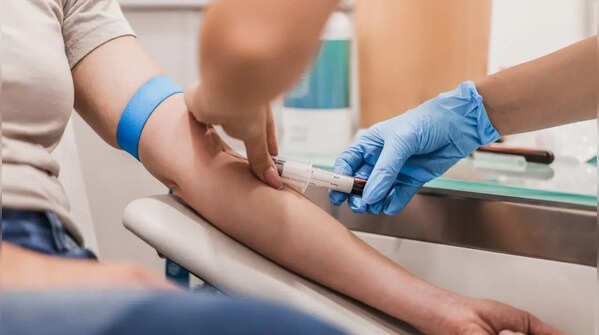
Fear is a powerful ally for cancer. People put off tests or scans because they worry about bad news. Some even think not getting diagnosed means not having cancer.
In reality, avoiding tests just lets cancer grow. Studies show delays in evaluating symptoms push diagnoses to later stages and worse outcomes. Getting tested doesn’t create cancer — it just reveals what’s already there.

Assuming cancer always causes pain
There’s a stubborn myth that cancer must hurt, but plenty of dangerous cancers sneak along painlessly: pancreatic, ovarian, colorectal, lung, and blood cancers. This idea fools people into ignoring subtle symptoms. Experts say vague problems (fatigue, weight loss, digestive hassles, coughs, abnormal bleeding) shouldn’t be ignored simply because there’s no pain.

Refusing to change unhealthy habits
Treatment is tough enough, but if you keep smoking, drinking too much, skipping exercise, ignoring good nutrition, or missing follow-ups, recovery gets even harder. Lifestyle changes can’t cure cancer alone, but they help with quality of life and treatment tolerance. Mental health matters, too, as anxiety, depression, or isolation can mess with treatment adherence and well-being. Psychological support is a big part of modern cancer care.

Bottom line
Cancer is daunting, but some of the worst risks come from inaction. Ignoring symptoms, avoiding tests, picking miracle cures, and ditching real medicine all shrink the window where cancer can be beaten.
Doctors keep repeating: Pay attention to your body, check out persistent symptoms, stick with evidence-based advice, and act early. Sometimes, the difference between a tough diagnosis and a treatable one is just a matter of weeks or months. In cancer care, time really is life.
Thanks to better surgeries, targeted therapies, immunotherapy, and precise medicine, cancer isn’t always a death sentence. But these advances work best when people act quickly, investigate symptoms, and follow solid treatment plans. Fear, denial, and false optimism can be your worst enemies.
The most effective move is listening to your body, taking symptoms seriously, showing up for screenings, and not waiting when something feels off. Early action can be the difference between a tough road and a missed chance for a cure.
Featured In etimes

