
Heat draining you daily? Coconut water might be the simplest fix you’re ignoring, here’s why

Coconut water health benefits in summer
Step outside on a peak summer afternoon, and the body gives clear signals: thirst, fatigue, and sometimes even dizziness. In India, where temperatures regularly cross 40°C, hydration is not just about comfort, it is survival. Amid fancy electrolyte drinks and packaged juices, coconut water quietly holds its ground. It has been part of daily life for decades, sold fresh on streets and recommended in homes.
Doctors still bring it up for a reason. Coconut water is not a miracle cure, but it fits well into what the body actually needs during heat stress: water, essential salts, and easy digestion. The real value lies in how naturally it does this job.
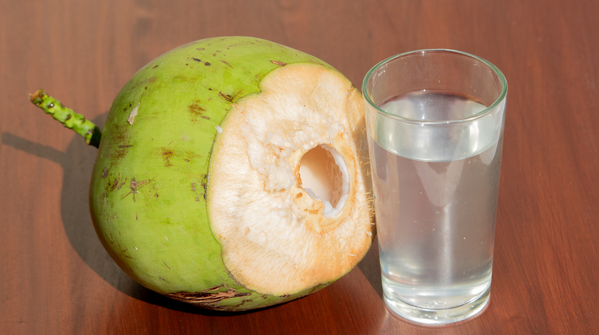
Why coconut water works so well in Summer
Heat drains the body in two ways: fluid loss through sweat and loss of electrolytes like sodium and potassium. Coconut water replaces both in a balanced way.
A review published IOSR Journal of Sports and Physical Education notes that coconut water contains potassium, small amounts of sodium, and glucose, which together support rehydration.
Unlike sugary drinks, it does not overload the body. It is light, mildly sweet, and absorbed quickly. That is why it is often given during mild dehydration or after sun exposure.
It also cools the body in a very literal sense. The water content is over 90%, which helps bring down internal heat without stressing digestion.
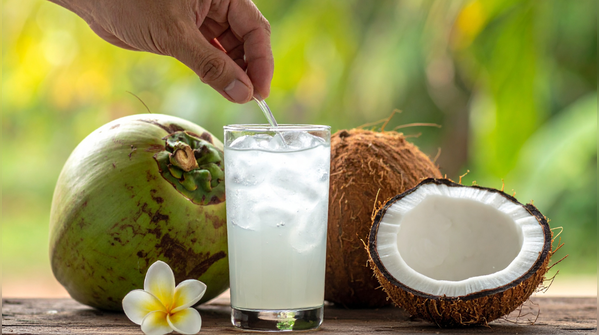
What happens inside the body after drinking it
Coconut water does more than just quench thirst. It supports several small but important functions.
First, it helps maintain fluid balance. The potassium content helps cells retain water where it is needed.
Second, it aids muscle function. People who sweat heavily often feel cramps, and this is linked to electrolyte imbalance.
Third, it supports kidney function. Adequate hydration helps the kidneys flush out waste more efficiently.
A study by The Journal of the International Society of Sports Nutrition that natural electrolyte drinks like coconut water can support hydration better than plain water in certain conditions of fluid loss.
It is not a replacement for medical rehydration solutions in severe dehydration, but for everyday summer fatigue, it does the job well.

Not for everyone: Who should be careful
Coconut water feels harmless, but it is not ideal for every person in every situation.
People with kidney disorders need to be cautious. High potassium levels can become risky if the kidneys are not functioning well.
Those with diabetes should also monitor intake. While it is natural, it still contains sugars that can affect blood glucose levels.
People on certain medications, especially those affecting potassium levels, should check with a doctor.
It is also not meant to replace regular meals. Some people rely on it too heavily during heatwaves, thinking it is enough. It is not.

Fresh vs packaged: Does it matter?
There is a clear difference between fresh coconut water and the packaged version.
Fresh coconut water is free from preservatives and has a more balanced nutrient profile. It also contains active enzymes that may degrade over time.
Packaged versions often undergo processing, which can reduce some of these benefits. Some may also contain added sugars or stabilisers.
If access to fresh coconut water is easy, it remains the better choice. If not, checking labels becomes important.
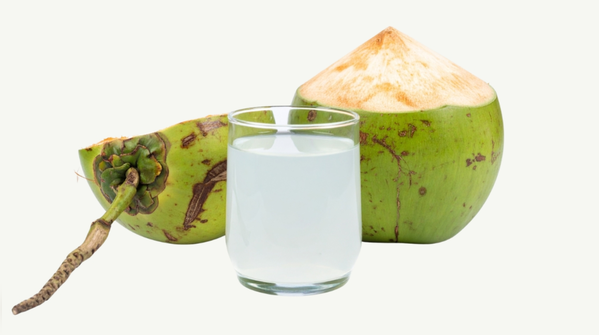
The cultural and everyday value
Coconut water has always been more than a drink in India. It is offered during recovery from illness, after long travel, or even during fasting. That cultural trust did not come from marketing, but from lived experience.
Coconut water fits naturally into this idea. It is not extreme, not expensive, and not complicated.
Disclaimer
This article is for general awareness and should not replace medical advice. Individual health conditions vary, and dietary choices should be made in consultation with a qualified healthcare professional, especially in cases of chronic illness or medication use.
Featured In etimes

