
Why the Delhi Gymkhana Club remains one of Lutyens' Delhi's most iconic buildings: 4 stunning architectural features to know
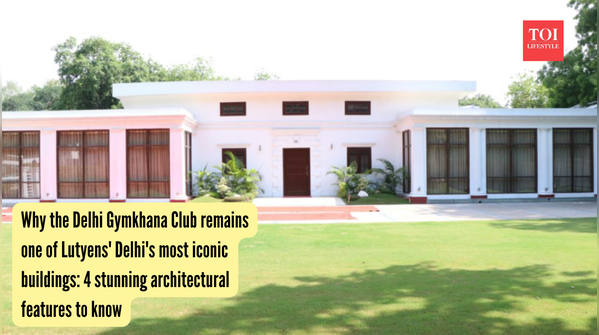
Why the Delhi Gymkhana Club remains one of Lutyens' Delhi's most iconic buildings: 4 stunning architectural features to know
Not many buildings in Delhi are as old and charismatic as the Delhi Gymkhana Club. Situated within the leafy avenues of Lutyens’ Delhi, the club has stood for nearly a century as a beacon of a very different era of the capital.
It was founded in 1913 as the Imperial Delhi Gymkhana Club and was moved to its present Safdarjung Road location in the late 1920s, when New Delhi itself was still taking shape under British planning. Over the decades, the club evolved into Delhi’s most memorable architectural examples from the pre-independence era.
Designed in the early 1930s by British architect Robert Tor Russell, the building is designed in a manner that defines understated sophistication, much like that of central Delhi’s colonial-era architecture. Russell is also the same architect who designed Connaught Place, believed in structures that responded to Delhi’s climate while maintaining symmetry, openness, and grace.
Here are four architectural features that make the Delhi Gymkhana Club one of the most iconic buildings in Lutyens’ Delhi.Photos: DelhiGymKhana/ Gallery
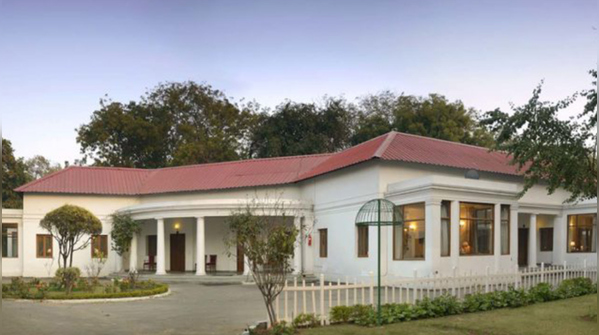
Deep verandahs built for Delhi’s climate
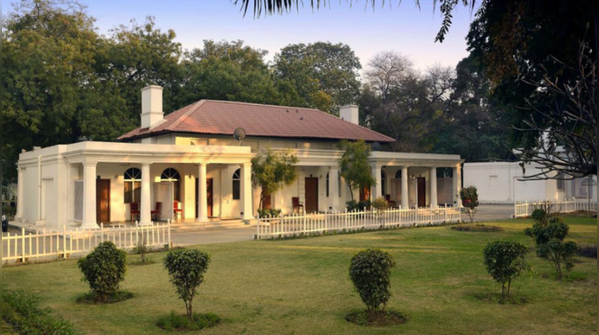
One of the most attractive features of the Delhi Gymkhana Club is its wide, shaded verandahs that wrap around the building. These deep corridors were designed to handle Delhi’s intense summers long before air-conditioning became common. The verandahs reduce the direct heat from being trapped and also allow natural ventilation through the structure. Architect Robert Tor Russell used this climate-sensitive style across several colonial buildings in New Delhi.
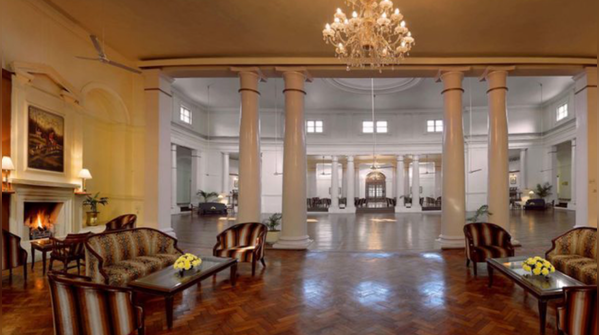
High ceilings that enhance the elegance
The club’s soaring high ceilings are another defining architectural element, much like the British-built buildings in India to maintain the right temperature of rooms in the Indian climate. Designed to keep interiors naturally cool, the high roofs also give the rooms a grand and calming atmosphere.
At Delhi Gymkhana, the tall ceilings, along with longer windows and pale interiors, create a timeless elegance that does not look excessive or ornamental.
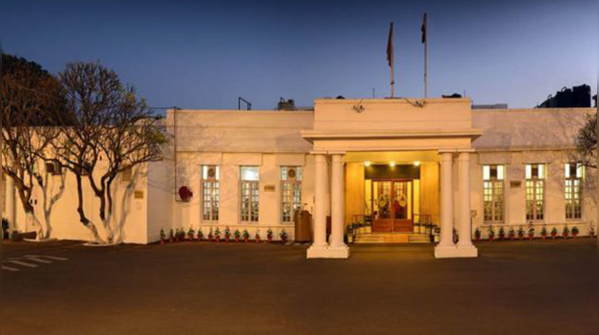
Pale colonial façades
Unlike heavily decorative colonial buildings, Delhi Gymkhana follows a restrained architectural language. Its pale front facing, balanced sections, and minimal decor or sculpting show the quieter side of British-era design in New Delhi. Robert Tor Russell preferred simplicity and functionality over excessive grandeur, which is also visible in Connaught Place and several civic buildings he designed.
Huge lawns that add to the character
The lawns surrounding Delhi Gymkhana are not just decorative spaces, they are central to the building’s architectural planning. Like many structures in Lutyens’ Delhi, the club was designed with openness and breathing space in mind. The sweeping greens soften the geometry of the building and create a sense of retreat from the city outside.
Featured In etimes

