
Trending
Why do Himalayan mountain tops stay snowy even though they are closer to the Sun?
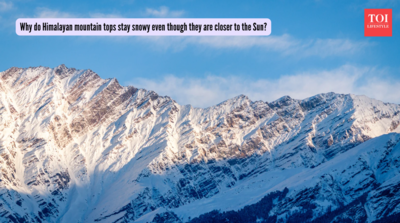
High mountain peaks remain snow-covered despite proximity to the sun due to the Earth's atmosphere, which shields against excess solar rays and traps heat. Thinner, colder air at higher altitudes, combined with snow's reflectivity, prevents melting, allowing these icy caps to persist year-round and influence weather patterns.
Why do Himalayan mountain tops stay snowy even though they are closer to the Sun?
How do mountain peaks remain covered with snow despite being closer to the Sun?
Why do peaks stay chilly?
Snow's lasting power
End of Article
Follow Us On Social Media
Tired of too many ads?go ad free now
lifestyle videos
Featured In Lifestyle

Tired of too many ads?go ad free now



Hot on the Web
Hansika Motwani Divorce NewsTina AhujaDubai AirportsSalman KhanUAE Flights UpdateAkshay KumarAjith KumarCardi BBreast CancerTamannaah BhatiaArun TupeJaya BachchanDaniel JacksonDubai International AirportKuno National ParkHighest Paid South ActressesPriyanka ChopraDevni DeviSudesh LehriNancy GuthrieYashIndian BreakfastGaurav KhannaArchana Puran SinghQueen VictoriaGen Z PresidentHoroscope TodayNeanderthal MenWISA ActCooked Chicken Shelf LifeToday Gold Rate in ChennaiDelhi Weather TodayDelhi AQI TodayMumbai AQI TodayMaharashtra Public Holidays 2026Shivam Dube HouseWhite PhosphorusAnkur WarikooSam AltmanNasa Satellite CrashIndian Cobra VS Egyptian Cobra
Trending Topics
Latest MoviesBollywood MoviesHollywood MoviesTamil Movies 2026Telugu Movies 2026Malayalam Movies 2026Kannada MoviesMarathi MoviesBengali Movies 2026Top Rated Movies 2026Best Hindi MoviesBest English MoviesBest Telugu MoviesBest Tamil MoviesBest Malayalam MoviesBest Kannada MoviesBest Bengali MoviesUpcoming Hindi MoviesBest Movies Of All TimeBest Hindi Movies of All TimeLatest English MoviesLatest Malayalam MoviesEnglish TV NewsTamil TV NewsTelugu TV NewsMalayalam TV NewsKannada TV NewsMovie ReviewsBhojpuri Cinema NewsGujarati Cinema News
Popular Categories
Viral NewsK Pop NewsWeb Series NewsAnime NewsUpcoming English MoviesUpcoming Tamil MoviesUpcoming Telugu MoviesUpcoming Malayalam MoviesUpcoming Kannada MoviesFashion TipsTravel NewsEntertainment NewsBollywood NewsTollywood NewsKollywood NewsMollywood NewsFood NewsLatest Hindi MoviesLatest Tamil MoviesParenting TipsHome RemediesWeight LossBeauty TipsParenting TipsHindi VideosHindi Video SongsBhojpuri Music VideosLatest Telugu MoviesBhojpuri Music VideoHindi TV News
Latest News
I’ve grown as an actor, but there’s still so much to learn: Bhumika Chawla on completing 25 years in the film industryMP shocker: Chilling video shows woman putting baby in scooter’s 'diggi' and riding off; netizens raise safety concernsWhat is the feud between Ilia Topuria and Islam Makhachev? War of words escalates between UFC icons ahead of UFC White House cardWho is Sorab Bedi, rumoured to be dating Malaika Arora? Here's what he said about the link-upSamsung consumer device CEO TM Roh blames AI infrastructure for increase in smartphone pricesDelhi prepares for a citywide celebration of running and fitness with Times Internet Delhi Half MarathonCUET UG exam dates 2026: Subject-wise datesheet expected soon as NTA prepares May examination schedule'Don't give the house to your kids': When Neena Gupta recalled heartbreaking story of a friend thrown out over propertyNFL Trade Rumors: Raiders–Ravens trade shock opens new door for Bills to land Maxx CrosbyGulf Air announces special flights from Dammam to London, Mumbai, Bangkok; economy fares start at INR 61,315‘Ek Din’ trailer buzz: Sai Pallavi and Junaid Khan's chemistry sparks love, fans hype 'Ramayana' star's Bollywood debutCan tarot cards predict change in life? Cards that reflect change in the reading?Kellton builds Zourney, an AI-first B2B platform for travel partnersModi in Trichy: Centre committed to the welfare of Tamil Nadu, PM saysBig revelation! 'MS Dhoni never said drop Yuvraj Singh': Former selectorManoj Bajpayee's '1971' turns 19 years old: 'I could never figure out why it didn’t click on release'Are 'Indian 3' revival talks underway? Here's what we know about Kamal Haasan and Shankar's unfinished filmShoaib Ibrahim and Dipika Kakar win hearts after gifting cooler to security guards during heatwave in Ramadan