
Virat Kohli in spotlight: Another ‘accidental like’? Cricketer likes model Liz Laz’s post, Avneet Kaur controversy resurfaces – all you need to know
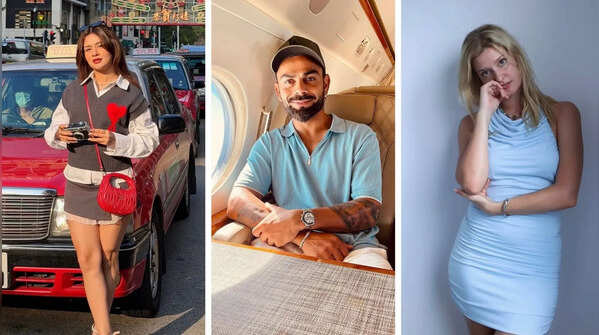
Virat Kohli likes model Liz Laz’s post, Avneet Kaur controversy resurfaces – all you need to know
A simple Instagram like has once again put Virat Kohli at the centre of online chatter.
This time, it’s a post featuring German model Liz Laz that has caught attention. What seemed like a normal social media interaction quickly started trending after users noticed it and screenshots began circulating. From there, it didn’t take long for the internet to turn it into a talking point.
And almost immediately, people started connecting it to something they remember from before.
Images: Instagram

What’s being talked about now
The buzz started when Kohli liked a post of Liz Laz on Instagram.
Nothing unusual at first glance – but once users spotted it, the post began spreading across platforms. As often happens online, it didn’t stay a simple “like” for long. It became part of a larger conversation, with users reacting, sharing, and speculating.

Why it feels familiar
What really made this trend pick up is the sense of déjà vu.
Many users were quick to point out that this isn’t the first time something like this has happened. That’s where the conversation naturally drifted back to an earlier moment involving actress Avneet Kaur.
The old incident people still remember
In that case, Kohli had liked a picture of Avneet Kaur on Instagram.
It didn’t go unnoticed then either – the interaction quickly gained traction and started trending online, turning into a full-blown meme moment.

Why that moment got big
Part of the reason it blew up was the timing around it.
The like came shortly after Kohli had posted a birthday message for his wife Anushka Sharma, and social media did what it usually does – it connected dots, made assumptions, and ran with the story.
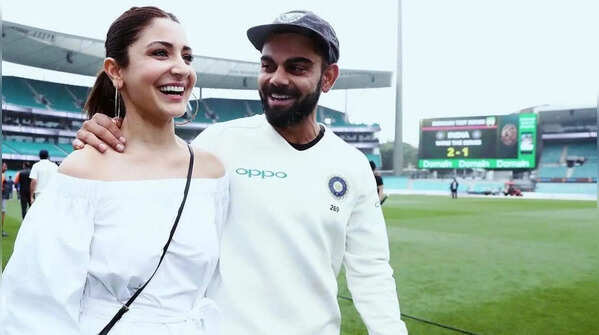
Kohli’s response at the time
As the chatter grew, Kohli addressed it through Instagram Stories.
He clarified that while clearing his feed, the platform’s algorithm may have mistakenly registered an interaction. He also made it clear that there was no intent behind the like and asked people not to read too much into it.

How that explanation went viral too
Interestingly, even his clarification didn’t stay “just a clarification.”
The line about the “algorithm mistakenly registered an interaction” caught on quickly and turned into a meme that kept circulating long after the original buzz died down.
Why it’s back in discussion now
What’s keeping the buzz alive is how quickly users are revisiting old moments and drawing parallels. The conversation has naturally shifted between the two incidents, with timelines and discussions overlapping as screenshots and past references resurface.
It reflects a familiar online pattern – once a narrative forms around a public figure’s social media activity, it doesn’t really fade away. It just reappears whenever something similar catches attention again.
Featured In etimes

