Trending
The deadly sting of the world’s largest wasp: What you should know about the asian giant hornet

The Asian giant hornet, known for its large size and potent venom, poses a threat to humans and honeybee populations. Its sting can cause intense pain and allergic reactions, while its predation decimates bee colonies, disrupting ecosystems. Caution and protective measures are crucial in areas where these hornets are found to minimize risks.
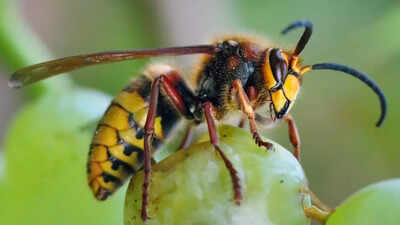
Asian giant hornet facts : Appearance, venom, and ecological impact
1. Physical characteristics
- Size and appearance
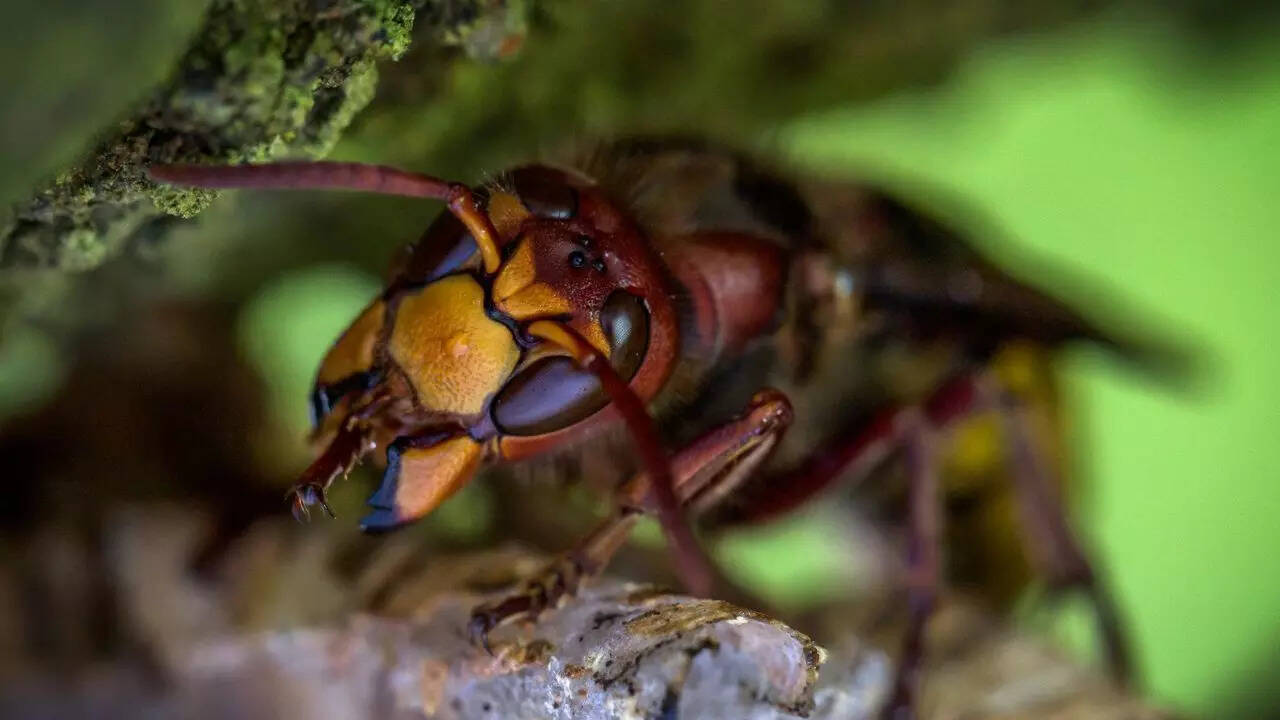
- Wingspan
2. Venom and sting
- Risk of anaphylaxis
- Multiple stings
- Aggressive behaviour
3. Ecological impact
- Threat to honeybees
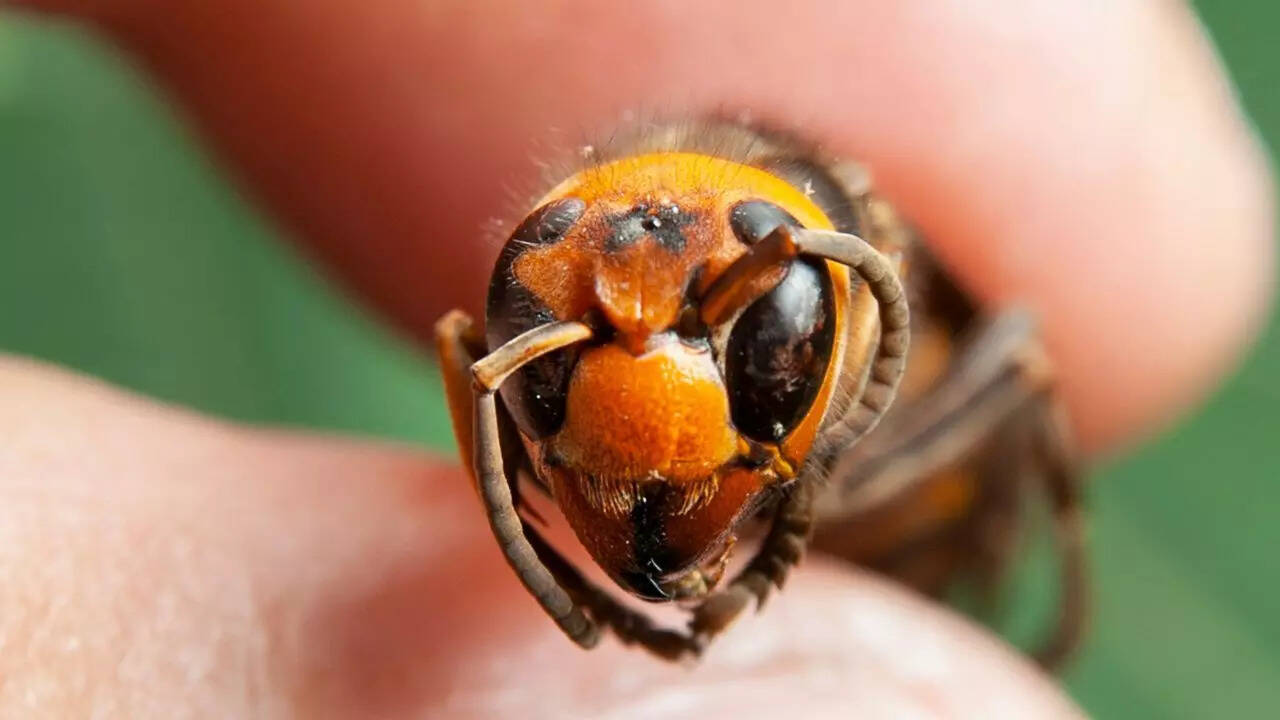
- Invasive Species
Tips to follow if you encounter an asian giant hornet
- Remain calm; hornets are not naturally aggressive
- Avoid disturbing nests, especially in wooded areas or under tree roots
- Stay alert for low, loud buzzing near trees or shrubs
- If approached, back away slowly and do not swat
- Avoiding stings: To minimise the risk of being stung, it's advisable to avoid disturbing hornet nests and to exercise caution when engaging in outdoor activities during the hornet's active months.
- Protective clothing: Wearing protective clothing, such as long sleeves and pants, can reduce the risk of stings when working in areas where hornets are known to inhabit.
- Seeking medical attention: If stung by an Asian giant hornet, it's important to monitor for signs of an allergic reaction. In case of symptoms like swelling, difficulty breathing, or dizziness, seek immediate medical attention.
End of Article
Follow Us On Social Media









Tired of too many ads?go ad free now
lifestyle videos
Featured In Lifestyle

Tired of too many ads?go ad free now
Hot on the Web
FDA Ice Cream RecallHappy Teachers Day 2025Fruits For Kidney HealthDulquer SalmanAshish Kapoor Arrest NewsHigh Blood PressureChamomile TeaLiver DetoxPremanand Ji MaharajHeart Attack PreventionChandra Grahan 2025Happy Teachers Day WishesKidney HealthLemon Water BenefitsKunickaa SadanandUric AcidTeacher's Day SpeechOffbeat Train StationsPalace of the ParliamentMonkey Vs ApesMrunal ThakurPumpkin Seeds BenefitsParam Sundari Box Office CollectionLokah Chapter 1: Chandra CollectionParam Sundari Movie ReviewKartick AaryanRaj KundraWar 2 Box Office CollectionCoolie Movie ReviewCoolie Box Office CollectionMushroom Curry TragedyExercise To Lower Blood SugarBenefits Of Parsley TeaJamun For DiabetesBoiled Egg Vs OmeletteTips To Prevent RabiesFastag Annual PassLuo WeiweiBay Leaf HackAnimals With The Longest TailsFastest Growing Careers
Trending Topics
Latest MoviesBollywood MoviesHollywood MoviesTamil Movies 2025Telugu Movies 2025Malayalam Movies 2025Kannada Movies 2025Marathi Movies 2025Bengali Movies 2025Top Rated Movies 2025Best Hindi MoviesBest English MoviesBest Telugu MoviesBest Tamil MoviesBest Malayalam MoviesBest Kannada MoviesBest Bengali MoviesUpcoming Hindi MoviesBest Movies Of All TimeBest Hindi Movies of All TimeLatest English MoviesLatest Malayalam MoviesEnglish TV NewsTamil TV NewsTelugu TV NewsMalayalam TV NewsKannada TV NewsMovie ReviewsBhojpuri Cinema NewsGujarati Cinema News
Popular Categories
Viral NewsK Pop NewsWeb Series NewsAnime NewsUpcoming English MoviesUpcoming Tamil MoviesUpcoming Telugu MoviesUpcoming Malayalam MoviesUpcoming Kannada MoviesFashion TipsTravel NewsEntertainment NewsBollywood NewsTollywood NewsKollywood NewsMollywood NewsFood NewsLatest Hindi MoviesLatest Tamil MoviesParenting TipsHome RemediesWeight LossBeauty TipsParenting TipsHindi VideosHindi Video SongsBhojpuri Music VideosLatest Telugu MoviesBhojpuri Music VideoHindi TV News
Latest News
14-year-old beats rare cancer after doctors mistook it for sports injuryDelhi University admissions 2025: Mop-up round for UG applicants through class 12 marks open, check eligibility and how to applyChocolate sculpture of PM Narendra Modi unveiled in OdishaShraddha Kapoor celebrates Shakti Kapoor’s birthday with 'Hero No 1' throwback; fans call it ‘Baapu Birthday Dhamaal’ - See pic'Do you need a mental break?': Iga Swiatek has heated exchange with journalist after US Open loss - watch videoFatty liver in children: Causes, symptoms, and prevention tipsBiju Menon was almost the hero in 'Keerthichakra'; Major Ravi recalls Mohanlal’s entry; REVEALS bad experienceCar, bikes GST new slabs explained: Winners, losers, effective date etcTravis Hunter’s NFL debut sparks debate as Jaguars push him to offense and critics call it a mistakeLove Horoscope Today, September 04, 2025: What the stars say about your love lifeRunway relief? Man in kurta-pajama squats to pee next to aircraft; pilot’s viral video divides internet‘Classic case of misuse’: Delhi court sets aside conviction in domestic cruelty case; flags 'contradictions'Lower GST to make medicines and medical devices more affordableSushmita Sen pens heartfelt birthday note for Renee, calls daughter her 'first love'Delhi flood alert: Rekha Gupta dials Haryana CM; repair work starts at Mungeshpur drainRecord alert! Zimbabwe’s Brian Bennett creates T20I history; breaks unique milestone held by Faf du Plessis and Babar AzamMaratha quota row: Rumblings in Mahayuti alliance; Chhagan Bhujbal skips cabinet meet'Choosing merit over DEI': Trump admin to scrap Foreign Service Officer Test; will introduce new version