Republic Day 2026: Why is the Tricolour hoisted on Independence Day but unfurled on Republic Day?
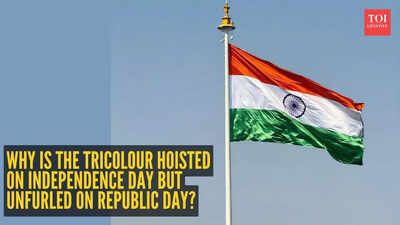
Why the Tricolour is hoisted on Independence Day
Why the Indian national flag is unfurled on Republic Day

About the AuthorTOI Lifestyle Desk
End of Article
Follow Us On Social Media
Tired of too many ads?go ad free now
lifestyle videos
Featured In Lifestyle

Tired of too many ads?go ad free now

Hot on the Web
Republic Day WishesAmitabh BachchanAbhijit MajumdarAbhijit Majumdar Death CauseRepublic Day MessagesJana NayaganRepublic Day WishesJaaved JaaferiBorder 2 CollectionFake Sweet PotatoBorder 2 ReviewBorder 2 Movie ReviewDhurandhar OTTRalph Waldo EmersonStephen HawkingBaby NamesTom CruiseBaba Vanga Prediction 2026Palaash MuchhalRimi SenSenecaThe 50 ContestantsDhurandhar OTTRabbi ShergillThe Raja Saab Box Office CollectionDhurandhar Movie CollectionAsia Longest RiverKumar SanuDhurandhar Movie ReviewAnand MahindraWilliam ShakespeareRiver That Flows BackwardsWorld Largest Beaver DamSnake Plant BenefitsQuote Of The Day By Bill GatesLongest Venomous King CobraMoon LakeLara TrumpJensen HuangGoogle Photo AI MemeDavos 2026
Trending Topics
Latest MoviesBollywood MoviesHollywood MoviesTamil Movies 2026Telugu Movies 2026Malayalam Movies 2026Kannada MoviesMarathi MoviesBengali Movies 2026Top Rated Movies 2026Best Hindi MoviesBest English MoviesBest Telugu MoviesBest Tamil MoviesBest Malayalam MoviesBest Kannada MoviesBest Bengali MoviesUpcoming Hindi MoviesBest Movies Of All TimeBest Hindi Movies of All TimeLatest English MoviesLatest Malayalam MoviesEnglish TV NewsTamil TV NewsTelugu TV NewsMalayalam TV NewsKannada TV NewsMovie ReviewsBhojpuri Cinema NewsGujarati Cinema News
Popular Categories
Viral NewsK Pop NewsWeb Series NewsAnime NewsUpcoming English MoviesUpcoming Tamil MoviesUpcoming Telugu MoviesUpcoming Malayalam MoviesUpcoming Kannada MoviesFashion TipsTravel NewsEntertainment NewsBollywood NewsTollywood NewsKollywood NewsMollywood NewsFood NewsLatest Hindi MoviesLatest Tamil MoviesParenting TipsHome RemediesWeight LossBeauty TipsParenting TipsHindi VideosHindi Video SongsBhojpuri Music VideosLatest Telugu MoviesBhojpuri Music VideoHindi TV News
Latest News
Stock market holiday: Are Sensex, Nifty open for trading on January 26?Steve Kerr provides massive Stephen Curry update after victory over Timberwolves GameMicrosoft and Amazon together take out a full-page ad; pointing to 'emergency' in Washington that they say: 'Threatens to ...'From Vicky Kaushal to Sidharth Malhotra: Actors who brought real-life bravehearts to life‘Enough orders from Washington’: Venezuela interim leader says pressure from US since capture of MaduroHyderabad's SHE Teams rescue women, crack down on midnight tormentors as digital blackmail risesFerry carrying 350 passengers sinks off southern Philippines, at least 15 dead‘Happy Patel’ box office collection day 10: Amir Khan and Vir Das-led film struggles to reach the Rs 6 crore markVinayan remembers Kalpana: ‘She felt the ban on Prithviraj Sukumaran was unfair’; Director shares emotional noteNBEMS to release FMGE results 2026 soon: Check steps to download and other details hereCJI Surya Kant urges HCs to embrace virtual hearings for judicial equalityJanuary 26, 2026, Birthday Forecast: Discover what the next 12 months hold for you‘No intention’: Canada's Carney rules out free trade pact with China after Trump threatens tariffsAustralian Open: Jessica Pegula outclasses defending champion Madison Keys to storm into quarter-finalsBroncos QB Jarrett Stidham faces backlash as wife Kennedy Stidham shares emotional message after lossWill hold Hasina & her party responsible for any pre-poll violence: DhakaArchaeologists uncover 800,000-year-old human footprints beneath the sands of eastern EnglandDaily Shani Predictions, January 26, 2026: Discomfort grows with inaction, these zodiac signs must confront the issue